What Is the Biggest Cause of Boat Collisions? 🚤 (2026)

Picture this: a serene summer afternoon on the lake, the sun sparkling on the water, laughter filling the air—then, out of nowhere, a sudden jolt as two boats collide. What caused this unexpected disaster? Spoiler alert: it’s rarely the weather or faulty equipment. The biggest culprit behind boat collisions is something much closer to home—human error.

In this comprehensive 2026 guide, we’ll unravel the top 10 causes of boat collisions, backed by the latest U.S. Coast Guard statistics and real-life stories from the Boat Brands™ crew. From operator inattention and speeding to alcohol impairment and poor visibility, we’ll explore how these factors combine to create dangerous situations on the water. Plus, we’ll reveal how modern technology can help you steer clear of trouble and share expert tips to keep your boating adventures safe and enjoyable. Ready to discover what really causes collisions and how to avoid them? Let’s dive in!


Key Takeaways

  • Operator inattention and failure to maintain a proper lookout are the leading causes of boat collisions, responsible for the majority of accidents and fatalities.
  • Alcohol impairment significantly increases the risk of collisions and is involved in about one-third of boating deaths.
  • Excessive speed and reckless driving reduce reaction time and increase collision severity.
  • Poor visibility and adverse weather conditions contribute heavily to accidents, making vigilance essential.
  • Inexperience and lack of training remain major risk factors; education and practice are lifesavers.
  • Modern marine electronics like GPS, radar, and AIS can aid in collision prevention but should never replace human vigilance.
  • Adhering to boating rules and regulations is critical for safe navigation and avoiding accidents.

Stay tuned for detailed insights, expert advice, and real-world anecdotes that will transform how you approach boating safety forever!


Table of Contents


⚡️ Quick Tips and Facts About Boat Collisions

Alright, fellow water enthusiasts! Let’s cut to the chase. When we talk about “What is the biggest cause of boat collisions?”, it’s not always the dramatic, Hollywood-style crash you might imagine. Often, it’s the seemingly small oversights that lead to big trouble. Our team at Boat Brands™ has seen it all, from the calmest lakes to the choppiest seas, and we’ve got some hard-won wisdom to share.

Here are some quick, eye-opening facts about boating safety and maritime accidents:

  • The #1 Culprit? Human Error! 🤦 ♀️ Yep, it’s usually us. Specifically, operator inattention and improper lookout are consistently cited as the leading causes. We’ll dive deep into why this is the case, but for now, remember: your eyes and brain are your best navigation tools.
  • Alcohol is a Major Factor: 🍻 Just like on the road, alcohol on the water is a recipe for disaster. The U.S. Coast Guard (USCG) consistently reports alcohol as a top contributing factor in fatal boating accidents. In fact, according to the U.S. Coast Guard Statistics, What Is the Main Cause of Fatal Boating Accidents? 2024 🚤, alcohol impairment is a significant contributor to fatalities.
  • Speed Kills (and Collides): 💨 While it’s tempting to open up the throttle on open water, excessive speed significantly reduces reaction time and increases the severity of any impact.
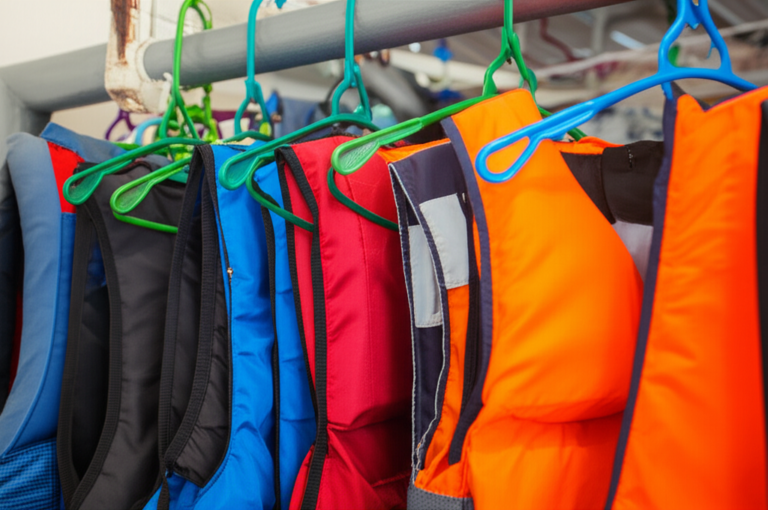
  • Life Jackets Save Lives: 🧡 This isn’t directly a cause of collisions, but it’s crucial for survival after an accident. “90% of those who drown while boating were not wearing a lifejacket or PFD,” even when enough were available on the craft, as highlighted by Boat-Ed. Always wear one!
  • Visibility Matters: 🌫️ Fog, heavy rain, or even just nighttime conditions can turn a familiar waterway into a minefield. Many collisions happen when visibility is compromised.
  • Experience Counts: ✅ Newbies, we love you, but lack of experience can be a serious hazard. Boater education is your best friend.

So, while the water might seem like a playground, it demands respect and constant vigilance. Ready to uncover the full story behind these statistics and learn how to keep your adventures safe? Let’s keep going!

A red and white warning sign sitting next to a boat

Boating, in its essence, is as old as civilization itself. From ancient rafts to majestic tall ships, and now to our sleek modern vessels, humans have always sought to conquer the waves. And, sadly, for just as long, we’ve been running into things. The history of maritime incidents isn’t just about grand shipwrecks; it’s also about the countless smaller vessel collisions that have shaped our understanding of boating safety regulations.

Think about it: in the days of sail, a collision was often a slow-motion ballet of misjudged wind, current, and human stubbornness. There were no radar systems, no GPS, just the keen eyes of a lookout and the skill of a captain. Early maritime laws, like the “Rules of the Road,” were born out of necessity, a desperate attempt to bring order to the chaos of busy harbors and shipping lanes. These rules, which evolved into today’s International Regulations for Preventing Collisions at Sea (COLREGs), are a testament to centuries of trial and error – and, unfortunately, tragedy.

As engines replaced sails, and boats became faster and more numerous, the nature of collisions changed. Suddenly, reaction times shortened, and the potential for severe impact increased dramatically. The advent of recreational boating in the 20th century brought a whole new demographic to the water, many without formal training, leading to a surge in recreational boating accidents.

Our team at Boat Brands™ often reflects on this evolution. We’ve seen the shift from purely mechanical failures being a primary concern to the overwhelming dominance of human factors in boating accidents. It’s a stark reminder that while technology advances, the fundamental need for vigilance, respect for the water, and adherence to established rules remains paramount. The lessons learned from centuries of collisions, from ancient galleys to modern yachts, all point to one undeniable truth: the most sophisticated safety equipment in the world is only as good as the person operating it.

🚤 1. Top 10 Biggest Causes of Boat Collisions Explained

Video: Biggest Ship Collisions and Mistakes Caught On Camera !

Alright, buckle up, because we’re about to pull back the curtain on the real culprits behind those dreaded “oops!” moments on the water. While every collision is unique, patterns emerge, and the data consistently points to a few key areas. Our mission at Boat Brands™ isn’t just to help you find the perfect vessel; it’s to ensure you enjoy it safely. So, let’s dive into the leading causes of boating collisions and arm you with the knowledge to avoid becoming a statistic.

1.1 Human Error: The Captain’s Biggest Nemesis

Let’s be brutally honest: most boat collisions boil down to us, the operators. It’s not always malicious intent; more often, it’s a lapse in judgment, a moment of distraction, or simply not paying enough attention. This broad category encompasses several specific issues, but the overarching theme is that human factors are overwhelmingly the primary cause of boating accidents.

The data doesn’t lie. As the experts at Sea Tow point out, the “biggest cause of boat collisions” is operator inattention, contributing to a staggering “586 accidents, 33 fatalities, and 323 injuries” in their 2023 data. Case Barnett Law echoes this, stating that “operator inattention” is the “most common cause” of boating accidents in California.

Why are we so prone to distraction?

  • Mobile Devices: 📱 Yep, just like on the road, that phone call or text can pull your focus away from the water in an instant.
  • Socializing: 🗣️ Having a great time with friends and family is part of boating, but deep conversations or turning your back to the bow for too long can be dangerous.
  • Fatigue: 😴 Long days on the water, especially under the sun, can lead to mental exhaustion, dulling your senses and slowing your reaction time.
  • Complacency: 😌 Familiar waters can breed a false sense of security. “I know this lake like the back of my hand!” is a famous last thought before an unexpected encounter.

We once had a team member, let’s call him Captain Dave, who was navigating a familiar channel on a beautiful, calm day. He was chatting with a passenger, pointing out a landmark, and for just a few seconds, his eyes drifted from the bow. Suddenly, a small fishing skiff, barely visible against the shoreline, appeared directly in his path. Dave swerved hard, narrowly avoiding a collision, but the close call rattled him. “It was a perfect day, no wind, no chop, and I got complacent,” he admitted. “That’s when the water bites you.”

Our Expert Take:Vigilance is non-negotiable. Treat every moment on the water as if it’s a test. Assign a dedicated lookout, especially in busy areas or when visibility is reduced. And for goodness sake, put the phone away!

1.2 Speeding and Reckless Driving on Water

Video: Biggest Ship Collisions and Mistakes Caught On Camera.

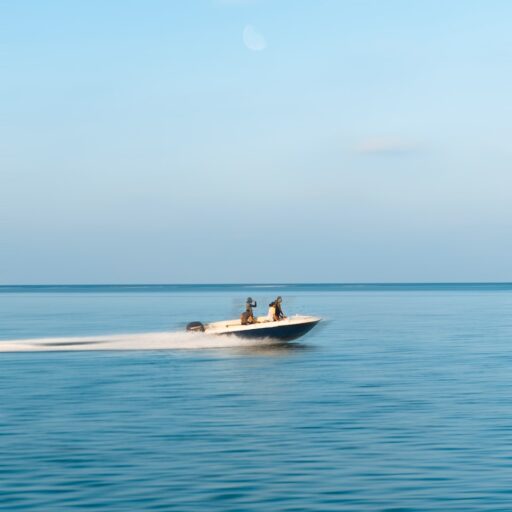
Ah, the thrill of speed! We get it. There’s nothing quite like the feeling of your boat planing across the water, leaving a magnificent wake behind you. But here’s the kicker: excessive speed is a major contributor to boating collisions and can turn that thrill into a nightmare faster than you can say “man overboard!”

Both Boat-Ed and Sea Tow highlight excessive speed as a critical factor. Sea Tow’s 2023 data attributes “299 accidents, 26 deaths, and 214 injuries” to speeding. Why is it so dangerous?

  • Reduced Reaction Time: The faster you go, the less time you have to react to unexpected obstacles, other vessels, or sudden changes in conditions.
  • Increased Impact Severity: Physics isn’t optional on the water. A high-speed collision means a much greater force of impact, leading to more severe injuries and damage.
  • Loss of Control: High speeds, especially in choppy water or during sharp turns, can lead to loss of control, making your vessel unpredictable and dangerous to others.
  • Wake Hazards: Your wake can be a serious hazard to smaller boats, kayaks, paddleboards, or even swimmers. Ignoring “no wake” zones or speeding through congested areas is a recipe for disaster. Case Barnett Law specifically mentions “wake force” as a cause of instability or collisions.

We remember a particularly hairy situation on Lake Michigan. Our team was out testing a new Boston Whaler [Shop Boston Whaler on: West Marine | Boston Whaler Official Website] when a powerful Yamaha [Shop Yamaha Outboards on: Amazon | West Marine | Yamaha Official Website] powered bass boat came tearing around a blind bend, well over the posted speed limit. The operator clearly didn’t anticipate our presence, and the sudden swerve to avoid us created a massive wake that nearly swamped a nearby fishing kayak. It was a stark reminder that even if you’re being safe, others might not be, and speed amplifies those risks.

Our Expert Take: ✅ Always operate at a safe speed for the conditions. This means considering visibility, traffic density, weather, and your vessel’s maneuverability. Slow down in high-traffic areas, near shorelines, and in poor visibility. Those posted speed limits and “no wake” signs aren’t suggestions; they’re rules designed to keep everyone safe.

1.3 Alcohol and Drug Impairment: The Silent Danger

Video: What are the leading causes of boating accidents? | Brais Law | Maritime Injury Attorney.

Let’s talk about the elephant in the boat: alcohol and drugs. We know, we know, a cold beer on a hot day sounds idyllic. But when you’re at the helm, that “one beer” can have far more serious consequences than you might imagine. Every single competitive summary we reviewed — Boat-Ed, Case Barnett Law, and Sea Tow — unequivocally lists alcohol and drug impairment as a major cause of boating accidents and fatalities.

Consider these sobering facts:

  • Boat-Ed states that “about one-third of boating fatalities involve alcohol.” That’s a staggering number.
  • Sea Tow’s 2023 data reports “211 accidents, 79 deaths, and 201 injuries” linked to alcohol use. Notice how the fatality rate here is significantly higher compared to other causes? That’s because impairment severely compromises judgment and reaction time, often leading to more severe outcomes.
  • Case Barnett Law emphasizes that “impairment significantly raises collision and accident risks.”

Why is alcohol (and drugs) particularly dangerous on the water?

  • Impaired Judgment: Your ability to assess risk, make quick decisions, and understand complex situations diminishes rapidly.
  • Slowed Reaction Time: That crucial second you need to swerve or hit the kill switch? It’s gone.
  • Reduced Coordination: Operating a boat requires fine motor skills and balance, all of which are compromised.
  • Exacerbated by Environment: The sun, wind, waves, and dehydration on the water can intensify the effects of alcohol, making you feel more impaired than you would on land.

We’ve all seen it: the boater weaving erratically, ignoring navigation rules, or simply looking a little too “relaxed” for the conditions. Our team once responded to a call where a beautiful Regal Boats [Shop Regal Boats on: Regal Official Website] cruiser had run aground in broad daylight, far from any marked channel. The operator, thankfully uninjured, admitted he’d had “a few” celebratory drinks. The damage to the hull was extensive, and the embarrassment was palpable. It was a costly lesson in why a zero-tolerance policy for the operator is the only sensible approach.

Our Expert Take:Never operate a boat under the influence of alcohol or drugs. It’s not just illegal; it’s incredibly dangerous. ✅ If you plan to drink, designate a sober skipper – someone who commits to staying clear-headed and responsible. Your life, and the lives of your passengers and other boaters, depend on it. For more on safe boating practices, consider taking a certified boater safety course. Learn more about Boater Safety Courses.

1.4 Poor Visibility and Weather Conditions

Video: Most Epic Boat & Ship Accidents Ever Caught on Camera | Best of the Month #147.

Mother Nature, as beautiful as she is, can be incredibly unpredictable. And when she decides to throw a tantrum, poor visibility and adverse weather conditions become major players in the risk of boat collisions. From sudden squalls to dense fog, these environmental factors can turn a pleasant cruise into a perilous journey. Case Barnett Law lists “weather conditions” (storms, high winds, heavy rain) as a primary cause, reducing visibility and control. Sea Tow also highlights “poor visibility (fog, night, heavy rain)” as a factor contributing to improper lookout.

Let’s consider the elements:

  • Fog and Mist: These can roll in unexpectedly, reducing visibility to mere feet in moments. What was clear open water suddenly becomes a white wall.
  • Heavy Rain: Not only does rain obscure your view, but it can also make surfaces slippery and reduce your ability to hear other vessels.
  • High Winds and Rough Seas: While not directly a visibility issue, strong winds and large waves can make it incredibly difficult to maintain control of your vessel, keep a proper lookout, and see smaller objects or vessels amidst the chop.
  • Nighttime Operations: Even on a clear night, without proper lighting and a keen eye, distinguishing other vessels, buoys, or land features can be challenging. The lack of ambient light makes depth perception difficult.

This is where we must pause and reflect on the tragic incident on Smith Lake, Alabama, during the Tackle Warehouse Invitational fishing tournament, as detailed in the first YouTube video. On April 16th, 2025, a devastating collision occurred near the Miller Flats area. A spectator reported that limited visibility played a major role as a bass boat rounded a blind corner and collided with a guide vessel. The force was immense, ejecting occupants and tragically claiming three lives. This heartbreaking event underscores how quickly conditions can change and the deadly consequences even experienced boaters can face when visibility is compromised. It truly “slows people down. It makes you pay attention.” Watch the full story here.

Our team once found ourselves caught in an unexpected pea-souper fog bank while navigating the Puget Sound. One moment, we had clear views of the Olympic Mountains; the next, we could barely see the bow of our Grady-White [Shop Grady-White on: Grady-White Official Website] boat. We immediately slowed to a crawl, turned on our navigation lights and horn, and relied heavily on our Garmin [Shop Garmin Marine Electronics on: Amazon | West Marine | Garmin Official Website] radar and chartplotter. It was a tense hour, but our preparedness and cautious approach prevented a potential disaster.

Our Expert Take: ✅ Always check the marine weather forecast before heading out, and keep an eye on changing conditions. ✅ If visibility drops, slow down immediately, turn on your navigation lights, and use sound signals. ✅ Consider investing in marine electronics like radar and AIS (Automatic Identification System), which can “see” through fog and darkness, but remember they are aids, not replacements for a vigilant lookout.

1.5 Failure to Maintain Proper Lookout

Video: Coast Guard said drunk boating is leading cause of fatal boating accidents.

This one might sound like a broken record after discussing operator inattention, but failure to maintain a proper lookout is distinct enough and so critically important that it deserves its own spotlight. It’s not just about being distracted; it’s about actively, continuously, and effectively scanning your surroundings. Sea Tow lists “Improper Lookout” as the secondary cause of collisions, responsible for “421 accidents, 30 fatalities, and 284 injuries” in 2023. Case Barnett Law defines it as “failure to maintain continuous, unobstructed visual awareness.”

So, what exactly constitutes a “proper lookout”?

  • 360-Degree Awareness: It means constantly scanning the horizon, fore, aft, and to the sides. Don’t just look where you’re going; look where you’ve been and where others might be coming from.
  • Using All Senses: It’s not just your eyes. Listen for engine noises, horns, or shouts. Feel for changes in wind or waves that might indicate another vessel’s wake.
  • Avoiding Obstructions: Ensure your view isn’t blocked by passengers, gear, or even your boat’s superstructure. If your view is obstructed, adjust your position or ask passengers to move.
  • Not Over-Reliance on Electronics: While modern marine electronics like Raymarine [Shop Raymarine Marine Electronics on: Amazon | West Marine | Raymarine Official Website] chartplotters, radar, and AIS are incredible tools, they are aids to navigation, not replacements for your eyes and ears. As Sea Tow notes, “over-reliance on electronics” can be a factor in improper lookout.

We once had a close call during a busy summer weekend on a popular lake. Our captain was focused on adjusting the trim of our MasterCraft [Shop MasterCraft Boats on: MasterCraft Official Website] towboat, momentarily looking down at the gauges. Meanwhile, a small sailboat, almost silent, was slowly crossing our bow from port. Our designated lookout, a sharp-eyed intern, spotted the sailboat just in time and shouted a warning. A quick course correction averted what could have been a nasty broadside collision. It was a perfect example of how a dedicated lookout, even on a clear day, can be a lifesaver.

Our Expert Take: ✅ Make a proper lookout a priority for everyone on board. The operator is ultimately responsible, but a second pair of eyes can be invaluable. ✅ Regularly scan the horizon and your immediate surroundings. ✅ Don’t let complacency set in, especially in familiar waters. The unexpected is always just around the corner.

1.6 Equipment Failure and Mechanical Issues

Video: What Causes Boat Collisions With Manatees? – The Wild Life Explorer.

While human error often takes the top spot, sometimes, despite our best efforts, the boat itself decides to throw a wrench in the works – sometimes literally! Equipment failure and mechanical issues can quickly turn a smooth ride into a dangerous situation, potentially leading to a boat collision if you lose control or become disabled in a busy waterway.

Think about it: a sudden engine stall in a busy channel, a steering cable snapping during a turn, or navigation lights failing at night. These aren’t just inconveniences; they’re emergencies that can put you directly in the path of another vessel.

Common equipment failures that can lead to collisions or dangerous situations include:

  • Engine Malfunction: ⚙️ Overheating, fuel issues, or a complete engine shutdown can leave you adrift and unable to maneuver. Imagine losing power in a strong current near a bridge or busy dock!
  • Steering System Failure: 🧭 A jammed or unresponsive steering system means you can’t control your direction, making evasive action impossible.
  • Navigation Light Failure: 💡 At night, non-functional navigation lights make your vessel invisible to others, especially smaller boats or those without radar.
  • Horn Malfunction: 📢 Your horn is a critical communication tool for signaling intentions or warning others. A silent horn can lead to misunderstandings.
  • Bilge Pump Failure: 🌊 While not a direct cause of collision, a failing bilge pump can lead to swamping or sinking, which in turn can create a hazard for other vessels or leave you vulnerable to being struck.

We once had a customer, a proud owner of a Sea Ray [Shop Sea Ray Boats on: Sea Ray Official Website] cruiser, recount a terrifying experience. He was heading back to port at dusk when his navigation lights suddenly flickered and died. He had neglected to check them during his pre-departure inspection. In the fading light, he became a ghost on the water. Thankfully, a vigilant boater with radar spotted him, but the incident highlighted the critical importance of proper maintenance.

Our Expert Take:Pre-departure checks are non-negotiable! Before every outing, perform a thorough inspection of your engine, steering, navigation lights, horn, and bilge pump. ✅ Adhere to your boat manufacturer’s recommended maintenance schedule. Regular servicing by qualified technicians can catch potential issues before they become critical failures. ✅ Carry essential spare parts and tools, and know how to make basic repairs. For reliable marine parts and accessories, check out West Marine [Shop West Marine on: West Marine Official Website].

1.7 Navigational Errors and Miscommunication

Video: BIGGEST SHIP COLLISIONS AND MISTAKES CAUGHT ON CAMERA.

The water isn’t just a big, open space; it’s a complex network of channels, hazards, and rules. Navigational errors and miscommunication can quickly lead to confusion, dangerous situations, and ultimately, collisions. Case Barnett Law specifically lists “violation of navigation rules” as a key cause.

What are we talking about here?

  • Misinterpreting Charts: 🗺️ Not understanding depth soundings, buoy markers, or charted hazards can lead to grounding or entering dangerous areas.
  • Ignoring Buoys and Markers: 🛑 These aren’t just pretty decorations; they’re vital signposts guiding you safely. Ignoring them is like driving blindfolded.
  • Misunderstanding Right-of-Way Rules: 🚦 The “Rules of the Road” (COLREGs) dictate who has the right-of-way in various crossing, overtaking, and head-on situations. A misunderstanding here is a direct path to a collision.
  • Poor Communication Between Vessels: 📻 In busy areas or during maneuvers, clear communication (via VHF radio, horn signals, or hand signals) is crucial. A lack of it can lead to assumptions and dangerous actions.
  • Lack of Communication Onboard: 🗣️ If the helmsman isn’t communicating intentions to the crew, or if a lookout spots something but doesn’t relay it effectively, it can lead to delayed reactions.

We once witnessed a near-miss in a narrow channel where two powerboats approached each other head-on. One operator, clearly unfamiliar with the rules, veered to port (their left), while the other, following the rule to pass port-to-port (like cars on a road), also veered to port. For a terrifying moment, they were on a collision course! Thankfully, the second operator quickly corrected, but it was a textbook example of how a misunderstanding of basic navigation rules can create chaos.

Our Expert Take:Know your COLREGs! These rules are the universal language of the water. Take a boater safety course that covers them extensively. Find Boater Safety Courses here. ✅ Always double-check your charts and pay attention to aids to navigation. ✅ Use your VHF radio [Shop VHF Radios on: Amazon | West Marine] for clear communication in busy areas, especially when approaching blind corners or restricted channels. ✅ Onboard, ensure clear communication between the operator and crew, especially when docking or maneuvering.

1.8 Overcrowding and Overloading Boats

Video: Idiots In Boats Caught on Camera.

It’s a party on the water! 🎉 We love a good time as much as anyone, but sometimes, the desire to bring everyone along can lead to a dangerously overcrowded or overloaded boat. While not always listed as a direct “cause of collision” in the same way as operator inattention, overcrowding and overloading significantly compromise a boat’s stability, maneuverability, and visibility, indirectly but powerfully increasing the risk of an accident, including collisions.

Here’s why packing too many people or too much gear is a bad idea:

  • Reduced Stability: ⚖️ Every boat has a maximum weight capacity. Exceeding it raises the boat’s center of gravity, making it less stable and more prone to capsizing, especially in rough water or when passengers shift weight.
  • Impaired Maneuverability: 🚤 An overloaded boat sits lower in the water, making it sluggish to respond to steering, slower to accelerate, and harder to stop. This severely impacts your ability to take evasive action.
  • Obstructed Visibility: 🙈 Too many people on board, especially standing or moving around, can block the operator’s view of the bow, stern, or sides, making it impossible to maintain a proper lookout.
  • Increased Draft: A heavier boat draws more water, increasing the risk of running aground in shallow areas.
  • Limited Emergency Response: In an emergency, an overcrowded boat makes it harder to access safety equipment, deploy life jackets, or assist someone overboard.

We once saw a pontoon boat, designed for maybe 10-12 people, with at least 20 adults and children crammed onto it. The boat was practically awash, struggling to maintain steerage, and the operator’s view was completely blocked by a wall of happy (but oblivious) passengers. It was a collision waiting to happen, not just with another boat, but potentially with a dock or a submerged object due to sheer lack of control.

Our Expert Take: ✅ Always adhere to your boat’s capacity plate, which specifies the maximum number of persons and total weight (persons, gear, fuel) your vessel can safely carry. This plate is usually located near the helm or on the transom. ✅ Distribute weight evenly to maintain stability. ✅ If in doubt, err on the side of caution. A slightly smaller party is always better than a dangerous one. For tips on boat capacity, check out our Boat Buying Guide.

1.9 Inexperienced Boaters and Lack of Training

Video: Caught in 4K! Funniest Security Camera Fails.

We all start somewhere, right? But when it comes to operating a vessel, inexperience and a lack of proper training can be a significant hazard, contributing directly to boat collisions. It’s not just about knowing how to start the engine; it’s about understanding the nuances of navigation, the rules of the road, emergency procedures, and how your boat handles in various conditions.

Both Case Barnett Law and Sea Tow identify “operator inexperience” as a major cause. Sea Tow’s 2023 data links it to “414 accidents, 44 deaths, and 200 injuries,” and critically notes that “75% of deaths involved untrained operators.” This statistic alone should be a wake-up call!

What does “inexperience” really mean on the water?

  • Lack of Navigational Knowledge: Not understanding charts, buoys, depths, or how currents and tides affect your vessel.
  • Poor Maneuvering Skills: Struggling with docking, close-quarters maneuvering, or handling the boat in wind and waves.
  • Unfamiliarity with Rules: Not knowing the COLREGs (right-of-way, signaling, etc.) leads to dangerous assumptions.
  • Inability to Handle Emergencies: Panicking during an engine failure, a man overboard situation, or a sudden storm.
  • Misjudging Distances and Speeds: This is crucial for avoiding collisions, especially when crossing paths with other vessels.

We remember a time when a new boater, fresh off the lot with a shiny new Chaparral [Shop Chaparral Boats on: Chaparral Official Website] sport boat, tried to dock in a busy marina on a windy day. They approached too fast, misjudged the wind, and ended up scraping several boats before finally getting tied up. It was clear they hadn’t practiced enough or taken a proper course. While not a high-speed collision, it was a collision nonetheless, caused purely by a lack of skill and experience.

Our Expert Take:Invest in boater education! Many states require a boater education card, but even if yours doesn’t, it’s a smart move. Organizations like the U.S. Coast Guard Auxiliary Learn more about USCG Auxiliary Boating Courses and the U.S. Power Squadrons Explore USPS Boating Education offer excellent courses. ✅ Practice, practice, practice! Start in calm, uncrowded waters. Practice docking, turning, and emergency stops. ✅ Seek mentorship from experienced boaters. There’s no substitute for hands-on learning.

1.10 Ignoring Boating Rules and Regulations

Video: Boat Ramp DISASTERS !

We’ve touched on this in “Navigational Errors,” but it’s worth emphasizing as its own distinct cause: simply ignoring boating rules and regulations is a direct path to a collision. These rules aren’t arbitrary suggestions; they are the bedrock of maritime safety, designed to prevent chaos and ensure everyone can enjoy the water responsibly. Case Barnett Law explicitly lists “violation of navigation rules” as a cause, increasing the chances of crossing or head-on collisions.

What rules are we talking about?

  • Right-of-Way Rules (COLREGs): These are paramount. Knowing who is the “stand-on” vessel (maintains course and speed) and who is the “give-way” vessel (takes early and substantial action to avoid collision) is fundamental. Powerboats vs. sailboats, overtaking, crossing, head-on situations – each has specific rules.
  • Speed Limits and No-Wake Zones: 🚤💨 These are in place for safety, to protect shorelines, and to prevent damage to other vessels. Ignoring them is reckless.
  • Navigation Lights: 💡 Operating at night without proper navigation lights is not only illegal but makes your vessel virtually invisible, a guaranteed recipe for disaster.
  • Sound Signals: 📢 Using your horn to signal intentions (e.g., passing, turning, warning) is crucial, especially in restricted visibility.
  • Safe Distance: Maintaining a safe distance from other vessels, swimmers, and fixed objects is common sense, yet often ignored.
  • Environmental Regulations: Disregarding rules about waste disposal or protected areas can also lead to dangerous situations or legal trouble.

Our team once observed a group of jet skiers repeatedly buzzing a fishing boat in a clearly marked “no wake” zone. They were not only creating a nuisance but also putting the smaller fishing vessel at risk of being swamped or having its lines fouled. This blatant disregard for the rules is not just annoying; it’s a dangerous form of reckless boating that can easily escalate into a collision.

Our Expert Take:Know the rules, live the rules! Before you even think about leaving the dock, ensure you are intimately familiar with the COLREGs and any local regulations for your waterway. ✅ Lead by example. If you see someone breaking the rules, politely educate them if safe to do so, or report dangerous behavior to the authorities. ✅ Remember, the water is a shared resource, and respecting the rules is respecting your fellow boaters. For a comprehensive guide, refer to the USCG Navigation Rules.

🛟 How Technology is Changing Boating Safety and Collision Prevention

Video: King Charles Announces Sudden Proclamation at Dusk, Transfers Edward’s Role to Prince Louis.

The world of boating has come a long way from relying solely on a compass and a keen eye. Today, marine electronics are revolutionizing boating safety and offering incredible tools for collision prevention. While they’re not a substitute for human vigilance (as Sea Tow wisely reminds us about “over-reliance on electronics”), they are powerful aids that can significantly reduce risks.

Let’s explore some of the game-changing technologies:

Modern Marine Electronics: Your Digital Co-Pilot

  • GPS Chartplotters: 🗺️ Brands like Garmin [Shop Garmin Marine Electronics on: Amazon | West Marine | Garmin Official Website], Raymarine [Shop Raymarine Marine Electronics on: Amazon | West Marine | Raymarine Official Website], and Simrad [Shop Simrad Marine Electronics on: Amazon | West Marine | Simrad Official Website] have transformed navigation. They provide real-time position, detailed charts, depth information, and even auto-routing. Knowing exactly where you are and where potential hazards lie is a huge step in avoiding navigational errors.
  • Radar Systems: 📡 These are your eyes in the fog and dark. Radar can detect other vessels, landmasses, and even weather patterns that are invisible to the naked eye. Modern CHIRP radar offers incredible clarity and range, helping you identify potential collision threats long before they become critical.
  • AIS (Automatic Identification System): 🚢 This system transmits and receives vessel information (position, speed, course, vessel name, call sign) from other AIS-equipped vessels. It’s like having a digital lookout that tells you exactly who’s around you, their intentions, and their closest point of approach (CPA). This is invaluable for collision avoidance, especially in busy shipping lanes.
  • Sonar and Fishfinders: 🐠 While primarily for finding fish, advanced sonar (like Humminbird [Shop Humminbird Fishfinders on: Amazon | West Marine | Humminbird Official Website] or Lowrance [Shop Lowrance Fishfinders on: Amazon | West Marine | Lowrance Official Website]) can also help detect submerged objects, reefs, or sudden changes in depth that could lead to grounding or impact.
  • Autopilots and Joysticks: 🕹️ While not directly collision prevention, these systems reduce operator fatigue, allowing the helmsman to focus more on lookout and less on steering. Joystick controls on modern outboards (like Mercury Marine’s [Shop Mercury Marine Outboards on: West Marine | Mercury Marine Official Website] VesselView) make docking and close-quarters maneuvering incredibly precise, reducing the chance of low-speed collisions.

The Human-Tech Balance: A Critical Perspective

Our team at Boat Brands™ has seen firsthand how these technologies save the day. One of our captains was once navigating a narrow channel at night when his radar picked up a small, unlit dinghy drifting directly in his path. Without that radar, a collision would have been almost certain.

However, it’s crucial to remember the caveat: technology is an aid, not a replacement for human judgment and a proper lookout. Over-reliance can lead to a false sense of security, contributing to operator inattention. You still need to understand the data, interpret it correctly, and maintain visual awareness.

Table: Collision Prevention Tech Features

Technology Primary Benefit for Collision Prevention Key Brands
GPS Chartplotter Real-time position, hazard identification, route planning. Garmin, Raymarine, Simrad, Lowrance
Radar Detects vessels/objects in poor visibility (fog, night), weather. Garmin, Raymarine, Simrad, Furuno
AIS Identifies other AIS-equipped vessels, their course/speed, CPA. Garmin, Raymarine, Simrad, Vesper Marine
Sonar/Fishfinder Detects submerged objects, depth changes, helps avoid grounding. Humminbird, Lowrance, Garmin, Raymarine
VHF Radio (DSC) Communication with other vessels/shore, distress calls, position sharing. Icom, Standard Horizon, Cobra, Raymarine
Autopilot/Joystick Reduces fatigue, precise maneuvering in tight spaces (docking). Garmin, Raymarine, Simrad, Mercury Marine, Yamaha

Our Expert Take: ✅ Embrace marine technology, but understand its limitations. ✅ Always use these tools in conjunction with a vigilant visual and auditory lookout. ✅ Ensure your electronics are properly installed, maintained, and that you know how to use them effectively. Consider taking a course on marine electronics to maximize their safety benefits.

📊 Statistical Breakdown: What the Numbers Say About Boat Collisions

Video: Camera captures terrifying boat crash.

Numbers might seem dry, but they tell a powerful story about boating accidents and where our efforts for collision prevention need to be focused. Our team at Boat Brands™ constantly reviews these statistics because they provide invaluable insights into the real-world risks on the water.

Let’s look at some compelling data, primarily from the U.S. Coast Guard (USCG) and insights shared by Sea Tow and Case Barnett Law.

The Big Picture: Recreational Boating Accidents

  • California’s Snapshot: Case Barnett Law highlights that California, with more recreational boats than any other U.S. state, reported “387 recreational boating accidents” in 2022, resulting in “42 fatalities and 43 deaths.” This indicates a high fatality rate per incident.
  • Overall Trends: The USCG’s annual Recreational Boating Statistics report consistently shows that the number of accidents, injuries, and fatalities fluctuates, but the underlying causes remain remarkably consistent year after year.

Diving Deeper: Types of Collisions and Their Causes

Sea Tow’s 2023 data provides a granular look at collision types and their primary causes:

Table: Top Collision Types & Their Impact (2023 Data)

Collision Type Incidents Fatalities Injuries
Collisions with other recreational vessels 1,053 41 523
Collisions with fixed objects 449 54 288
Flooding and Swamping 300+ Varies Varies
Grounding 200+ Varies Varies
Falls Overboard 200+ Varies Varies

Note: Flooding, swamping, grounding, and falls overboard are primary accident types that can also lead to or be caused by collisions.

The Root Causes: Where the Blame Lies

Here’s where the statistics really pinpoint the biggest culprits, reinforcing what we’ve discussed:

Table: Leading Causes of Accidents & Their Impact (2023 Data)

| Primary Cause | Accidents | Fatalities | Injuries | Key Insight


🎯 Conclusion: Steering Clear of Disaster – What You Need to Know

a warning sign on a pole next to a body of water

So, what’s the biggest cause of boat collisions? Drumroll, please… it’s operator inattention, closely followed by improper lookout, speeding, and alcohol impairment. Our deep dive into the data, expert insights, and real-life stories from the Boat Brands™ crew has shown that most collisions aren’t caused by rogue waves or mechanical failures — they’re caused by human factors. That means the power to prevent accidents lies squarely in your hands (and eyes)!

Remember Captain Dave’s near-miss? Or the foggy Puget Sound adventure? These stories underscore a simple truth: vigilance, preparation, and respect for the water are your best defenses. Technology like GPS, radar, and AIS can be lifesavers, but they’re only as good as the operator using them. And no amount of fancy gear can replace a sober, alert, and well-trained captain.

If you take one thing away from this article, let it be this: boating safety is a mindset, not a checklist. Always wear your lifejacket, keep your eyes on the horizon, respect speed limits and no-wake zones, never drink and boat, and invest in your education. The water is a playground, but it demands responsibility.

We hope this comprehensive guide has answered your burning questions and left you feeling empowered to enjoy your next boating adventure safely. Now, go forth and navigate those waters like the pro you’re destined to be! 🌊⚓


Ready to gear up and stay safe? Here are some top picks from the brands and products we trust, plus some must-read books to boost your boating IQ:


❓ FAQ: Your Burning Questions About Boat Collisions Answered

a sign on a pole

What are the most common mistakes that lead to boat collisions?

The most common mistakes boil down to operator inattention, improper lookout, excessive speed, and alcohol impairment. Operators often get distracted by phones, conversations, or fatigue, fail to maintain a continuous visual scan, or misjudge distances and right-of-way rules. Overconfidence in familiar waters and ignoring navigation rules also play a big role. The key is to stay alert, keep your eyes moving, and respect the rules of the water.

How does alcohol consumption affect boating safety?

Alcohol impairs judgment, slows reaction times, and reduces coordination — all critical skills for safe boat operation. On the water, these effects are magnified by sun exposure, dehydration, and the movement of the boat. Alcohol is involved in about one-third of boating fatalities, making it one of the deadliest factors. The safest approach is a strict zero-tolerance policy for operators. Designate a sober skipper to keep everyone safe.

What safety measures can prevent boat accidents?

Several safety measures can dramatically reduce the risk of collisions and accidents:

  • Wear life jackets at all times.
  • Maintain a proper lookout with continuous scanning and use of a dedicated lookout when possible.
  • Operate at safe speeds appropriate for conditions and traffic.
  • Avoid alcohol and drug use while operating.
  • Take boater safety courses to understand navigation rules and emergency procedures.
  • Perform regular maintenance and pre-departure checks on your vessel.
  • Use technology wisely, such as GPS, radar, and AIS, but never rely solely on them.
  • Communicate clearly with other vessels and your crew.

How do weather conditions contribute to boat collisions?

Weather conditions like fog, heavy rain, high winds, and darkness reduce visibility and make vessel control more difficult. These factors increase the likelihood of operator error and improper lookout. Sudden weather changes can catch boaters off guard, leading to collisions with other vessels or fixed objects. The best defense is to check weather forecasts before heading out, slow down or stop if conditions worsen, and use navigation aids like radar and AIS to supplement your senses.

What role does boater education play in preventing collisions?

Boater education is crucial. Studies show that a significant percentage of boating deaths involve untrained operators. Education teaches you the rules of the water, how to handle your vessel safely, emergency procedures, and how to interpret weather and navigational information. Taking certified boater safety courses can reduce your risk of involvement in accidents and improve your confidence and competence on the water.

Can technology completely prevent boat collisions?

No technology can completely prevent collisions. While GPS, radar, AIS, and other electronics provide invaluable information and early warnings, they are tools that require proper understanding and use. Over-reliance can lead to complacency. The human operator must remain vigilant, interpret data correctly, and maintain a proper lookout at all times.


We hope this guide has been your trusty compass through the sometimes choppy waters of boating safety. Remember, the biggest cause of collisions is often the one you least expect: a moment’s inattention. Stay sharp, stay safe, and happy boating! ⚓🌊

Review Team
Review Team

The Popular Brands Review Team is a collective of seasoned professionals boasting an extensive and varied portfolio in the field of product evaluation. Composed of experts with specialties across a myriad of industries, the team’s collective experience spans across numerous decades, allowing them a unique depth and breadth of understanding when it comes to reviewing different brands and products.

Leaders in their respective fields, the team's expertise ranges from technology and electronics to fashion, luxury goods, outdoor and sports equipment, and even food and beverages. Their years of dedication and acute understanding of their sectors have given them an uncanny ability to discern the most subtle nuances of product design, functionality, and overall quality.

Articles: 221

Leave a Reply

Your email address will not be published. Required fields are marked *