Support our educational content for free when you purchase through links on our site. Learn more
🚤 Who Really Owns a Boat? The 2026 Demographics Revealed


The typical boat owner isn’t a wealthy retire on a yacht; they are a middle-class family, often under 50, piloting a 20-foot runabout or pontoon. If you’ve ever wondered what are the demographics of boat owners, the answer might surprise you: it’s a diverse, tech-savy, and surprisingly affordable community that spans generations.
We once met a 24-year-old graphic designer in Minnesota who bought a used 18-foot fishing boat with his student loan savings, proving that the water is open to everyone, not just the elite. While the stereotype persists of the “old man in a white hat,” data shows that Millennials now make up 31% of the boating population, and the average first-time buyer is just 46 years old.
The reality is that 95% of all recreational boats are under 26 feet, and the average owner spends more time trailering their vessel than actually floating it. From the frozen lakes of Alaska to the inland rivers of the Midwest, the demographic shift is reshaping how we buy, store, and enjoy our time on the water.
Key Takeaways
- The Middle-Class Captain: 61% of boat owners have a household income of $10,0 or less, debunking the myth that boating is exclusively for the wealthy.
- A Generational Shift: Millennials are the fastest-growing segment, making up 31% of the demographic, while the average age of a first-time buyer has dropped to 46.
- Size Matters: 95% of recreational boats are under 26 feet, with open powerboats and pontons leading the pack for family fun.
- Usage Reality: The average boat is used only 54 days a year, highlighting that for most, it’s a destination hobby rather than a full-time lifestyle.
- Geographic Diversity: While coastal states have high numbers, Alaska leads in ownership rates at 32.2%, proving boating thrives far from the ocean.
Table of Contents
- ⚡️ Quick Tips and Facts
- 📜 A Brief History of Who Sails the Seas: The Evolution of Boat Owner Demographics
- 👥 The Typical Boat Owner Profile: Age, Gender, and Lifestyle Breakdown
- 💰 The Wallet Watch: Income Levels, Spending Habits, and Economic Realities
- 🚤 By the Numbers: Boat Type Preferences and Size Trends Among Owners
- 🌍 Geographic Hotspots: Where Are the Most Boaters Located in the U.S.?
- 👶 The New Guard: How Millennials and Gen Z Are Reshaping the Fleet
- 👴 The Veteran Captains: Understanding the Bomer and Gen X Boater
- 🏠 First-Time Buyers vs. Seasoned Skippers: A Generational Divide
- 📊 Boating Statistics and Facts: The Data Behind the Deck
- 🏢 Storage Solutions and Ownership Costs: What the Demographics Tell Us
- 🛒 How Demographics Influence Brand Loyalty: From Grady-White to Bayliner
- 🔮 Future Trends: Where the Boat Owner Demographics Are Heading Next
- Conclusion
- Recommended Links
- FAQ
- Reference Links
⚡️ Quick Tips and Facts
Before we drop the hook and dive deep into the data, let’s hit the highlights. If you’re skimming for the “who, what, and where” of the American boater, here is your cheat sheet.
- The Middle-Class Captain: Contrary to the yacht-clad stereotypes, 61% of boat owners have a household income of $10,0 or less. Boating isn’t just for the elite; it’s a middle-class passion.
- The Age Shift: The “old man on the boat” trope is fading. The average age of a first-time buyer has plummeted to 46 years, and Millennials now make up 31% of the boating demographic.
- Size Matters (But Not How You Think): 95% of all recreational boats in the U.S. are under 26 feet. You don’t need a superyacht to enjoy the water.
- Usage Reality: The average boat sees the water 54 days a year. That’s roughly 15% of the year, meaning your boat spends more time on a trailer or in storage than it does floating.
- The Family Factor: 50.4% of boat-owning households have no children, while 30.4% include kids. It’s a mix of family fun and solo cruising.
- Geography is Key: If you live in Alaska, you are statistically more likely to own a boat than if you live in New Jersey. State ownership rates range from a staggering 32.2% in Alaska to just 6.1% in New Jersey.
For a deeper dive into the raw numbers, check out our comprehensive breakdown of boat statistics right here at Boat Brands™.
📜 A Brief History of Who Sails the Seas: The Evolution of Boat Owner Demographics

Boating in America hasn’t always been about fishing off the back of a pontoon or chasing wakes in a wakeboard boat. The demographic landscape has shifted as dramatically as the tides.
The Golden Age of the Baby Bomer
For decades, the image of the American boater was clear: a Baby Bomer (born 1946–1964) with a steady pension, a white hat, and a 24-foot runabout. Historically, the average age of a boat owner hovered around 58 years. This generation built the foundation of the recreational boating industry, prioritizing stability and traditional family outings.
The Great Shift: Enter the Millennials
Fast forward to the 2020s, and the helm has been handed over. The pandemic acted as a catalyst, accelerating a trend that was already brewing. With lockdowns keeping people on land, the desire for open spaces and outdoor activities skyrocketed.
- First-Time Buyers: In 2020, first-time buyers accounted for 31% of new boat sales and a massive 37% of pre-owned sales.
- The Gender Gap Closes: Historically male-dominated, the new guard includes a 1.5 times higher likelihood of women entering the market compared to previous decades.
- The “Why”: It’s not just about the boat; it’s about the lifestyle. Millennials and Gen Z are seeking experiences over things, and nothing says “experience” like a weekend on the lake.
Did you know? In states like Maine and Minnesota, 50% of boat-owning households actually own two or more boats. This isn’t just a hobby; it’s a multi-vessel fleet strategy for the dedicated enthusiast.
👥 The Typical Boat Owner Profile: Age, Gender, and Lifestyle Breakdown
So, who is actually steering the ship? Let’s break down the human element behind the hull.
The Generational Split
According to recent industry data, the demographic pie looks like this:
- Generation X (37%): The current backbone of the industry. They have the disposable income and the desire to upgrade from their first runabout to something more substantial.
- Millennials (31%): The fastest-growing segment. They are tech-savy, value sustainability, and are driving the demand for electric outboards and smart marine electronics.
- Baby Boomers (28%): Still a massive force, particularly in the luxury and large-cabin segments. They are often the ones selling their boats to downsizing or upgrading to “empty nester” cruisers.
Gender Dynamics
The “boys’ club” of the 1980s is history. Today, women are increasingly the primary decision-makers in boat purchases.
- Safety First: Female buyers often prioritize safety features, stability, and ease of handling more than raw horsepower.
- Social Boating: There’s a rise in “girls’ weekend” charters and women-focused boating clubs, changing the social fabric of marinas.
Lifestyle: The 54-Day Reality
You might think boat owners live on the water 365 days a year. Wrong.
- The Average: 54 days per year.
- The Extremes: In North Dakota, boats are used an average of 71 days, while in West Virginia, that number drops to a mere 3 days. Why? Geography and climate.
- The Trailer Life: With 28 trailering events per year on average, the typical owner is constantly loading and unloading. This suggests a lifestyle of destination boating rather than permanent moring.
💰 The Wallet Watch: Income Levels, Spending Habits, and Economic Realities
Let’s talk money. The biggest myth in boating is that you need to be a millionaire to own a boat. The data says otherwise.
Income Distribution
- The Middle Class Reigns: 2 out of 3 boaters are middle-class Americans.
- The Breakdown:
$10k+: Only 20.6% of owners fall into this bracket.
$75k – $149k: The largest chunk at 37.5%.
Under $50k: A combined 23.1% of owners manage to keep afloat on lower incomes, often through shared ownership or older, pre-owned vessels.
The True Cost of Ownership
Buying the boat is just the entry fee. The real story is in the maintenance, fuel, insurance, and storage.
- Annual Cost: The average annual cost of owning a new boat ranges from $5,0 to $8,0.
- The “Boat Ownership Equation”: As highlighted in our featured video analysis, the cost is calculated as:
Purchase Price + Maintenance + Insurance + Fuel + Repairs - Resale Value = Total Cost
Real World Example: A boat bought for $16,385, with $1,950 in operating costs over three years, and sold for $15,475, results in a total cost of $2,860 (or roughly $953/year). This proves that with smart buying and selling, boating can be surprisingly affordable.
Shared Ownership: The New Normal
With costs rising, shared ownership is exploding. Nearly 1.4 million boats are now owned jointly by friends, family, or boat clubs.
- Benefit: Split the cost of fuel, insurance, and storage.
- Drawback: Scheduling conflicts and potential wear-and-tear disputes.
🚤 By the Numbers: Boat Type Preferences and Size Trends Among Owners
What are they driving? The answer depends heavily on who is driving.
Size Matters: The 26-Foot Threshold
95% of all recreational boats are less than 26 feet in length.
- Under 16 feet: 35.92% (Jon boats, small runabouts, dinghies).
- 16 to <26 feet: 58.73% (The sweet spot for family fun).
- 26 to <40 feet: 4.60% (Cruisers, larger fishing boats).
- 40+ feet: Less than 1% combined.
Top Boat Types by Demographic
| Boat Type | Primary Demographic | Why They Choose It |
|---|---|---|
| Open Powerboat | Gen X, Families | Versatility for fishing, swimming, and cruising. |
| Pontoon | Millennials, Families | Social space, stability, and ease of use. |
| Personal Watercraft (PWC) | Gen Z, Young Adults | Adrenaline, low storage, and high fun factor. |
| Fishing Boat | Boomers, Men | Specialized features for serious angling. |
| Wake Sport Boat | Millennials, Gen Z | Water sports, social media content, and style. |
Open powerboats remain the king of the hill, owned by almost 6 million households. However, Pontoon boats and Wake Sport boats are seeing the fastest growth, driven by the desire for social, family-friendly experiences.
🌍 Geographic Hotspots: Where Are the Most Boaters Located in the U.S.?
You can’t have boating without water, but where do the owners actually live? It’s not just the coasts.
The State Rankings
- Alaska: The undisputed champion with 32.2% of households owning a boat.
- New Hampshire: A close second at 29.7%.
- Minnesota: The “Land of 10,0 Lakes” holds strong at 27.8%.
- Maine: 3.1% of the total U.S. population lives here, but they own a massive chunk of the fleet.
Coastal vs. Inland
While Florida operates the highest number of boats (due to sheer population size), the percentage of ownership is often higher inland states with abundant lakes.
- Inland Power: States like North Dakota and Minnesota see higher usage rates (71 and 62 days/year respectively) compared to southern states where boats might sit in the water year-round but see less active use due to heat or traffic.
- The Trailering Culture: Inland owners trail their boats an average of 28 times a year, creating a massive market for trailer sales and storage facilities.
Fun Fact: In West Virginia, the average boat is used only 3 days a year. This suggests that for many, the boat is a “weekend dream” rather than a daily driver, often kept in storage for the majority of the year.
👶 The New Guard: How Millennials and Gen Z Are Reshaping the Fleet
The future of boating is being written by the under-40 crowd, and they are rewriting the rules.
Tech-First Boaters
Millennials and Gen Z expect their boats to be as connected as their cars.
- Smart Integration: Demand for GPS, app-controlled lighting, and Bluetooth audio systems is non-negotiable.
- Sustainability: There is a growing interest in electric outboards and hybrid propulsion systems. Brands like Torqeedo and Evinrude (before its closure) have seen interest from this demographic.
The “Experience” Economy
For this generation, the boat is a platform for content.
- Social Media: Wake boats and pontons are designed with “Instagramable” moments in mind.
- Rental Culture: Many in this demographic prefer renting or sharing rather than owning, leading to the rise of peer-to-peer rental apps like Click&Boat or Boatsetter.
First-Time Buyer Trends
- Pre-Owned Market: 37% of pre-owned sales are to first-time buyers. They are savvy shoppers, looking for value and reliability over brand new bling.
- Smaller is Better: They are more likely to start with a 16-2 foot vessel, prioritizing ease of towing and storage in urban environments.
👴 The Veteran Captains: Understanding the Bomer and Gen X Boater
Don’t count out the older generations just yet. They still hold the purse strings and the experience.
The Bomer Legacy
Baby Boomers are the ones who built the marina infrastructure we use today.
- Luxury Seekers: They are the primary buyers of cruisers and yachts over 40 feet.
- Brand Loyalty: They tend to stick with brands they trust, like Grady-White, Boston Whaler, and Sea Ray.
- Downsizing: Many are now trading in their large cabin cruisers for smaller, easier-to-handle center consoles or cuddy cabins.
Gen X: The Bridge
Generation X is the “sandwich” generation, balancing kids and aging parents.
- Family Focus: They are the primary buyers of pontons and family runabouts.
- Upgraders: Having bought their first boat in their 30s, they are now upgrading to higher-quality vessels as their kids get older.
🏠 First-Time Buyers vs. Seasoned Skippers: A Generational Divide
The gap between the newbie and the pro is widening, but so is the opportunity for mentorship.
The First-Time Buyer Struggle
- Knowledge Gap: New owners often underestimate the costs of maintenance and the learning curve of navigation.
- The Solution: This is where Boat Brands™ and community resources come in. First-time buyers are actively seeking guides on boat buying to avoid costly mistakes.
The Seasoned Skiper Advantage
- Resale Value: Experienced owners know how to maintain their vessels, leading to higher resale values.
- Community: They are more likely to join boat clubs or marina communities, fostering a sense of belonging.
The Shared Future
The rise of shared ownership is bridging this gap. Seasoned skippers can mentor new owners in exchange for shared costs, creating a symbiotic relationship that benefits the entire industry.
📊 Boating Statistics and Facts: The Data Behind the Deck
Let’s crunch the numbers one last time to solidify our understanding.
Market Growth
- Pandemic Surge: New boat sales surged 40% during the pandemic.
- Market Value: The recreational boating market is valued at $26 billion (2020) and targets $35 billion by 2026.
- Domestic Production: 95% of boats sold in the U.S. are manufactured domestically, supporting small businesses.
Usage Patterns
- Days on Water: Average 54 days/year.
- Trailering: Average 28 times/year.
- Storage: With 167 million trailering events annually, the demand for boat storage is skyrocketing. Facilities in Haines City, FL, and Magnolia, TX, are expanding to meet this need.
Economic Impact
- Spending: Americans spend $49.3 billion annually on boats, marine products, and services.
- Employment: The industry supports hundreds of thousands of jobs, from manufacturing to marina operations.
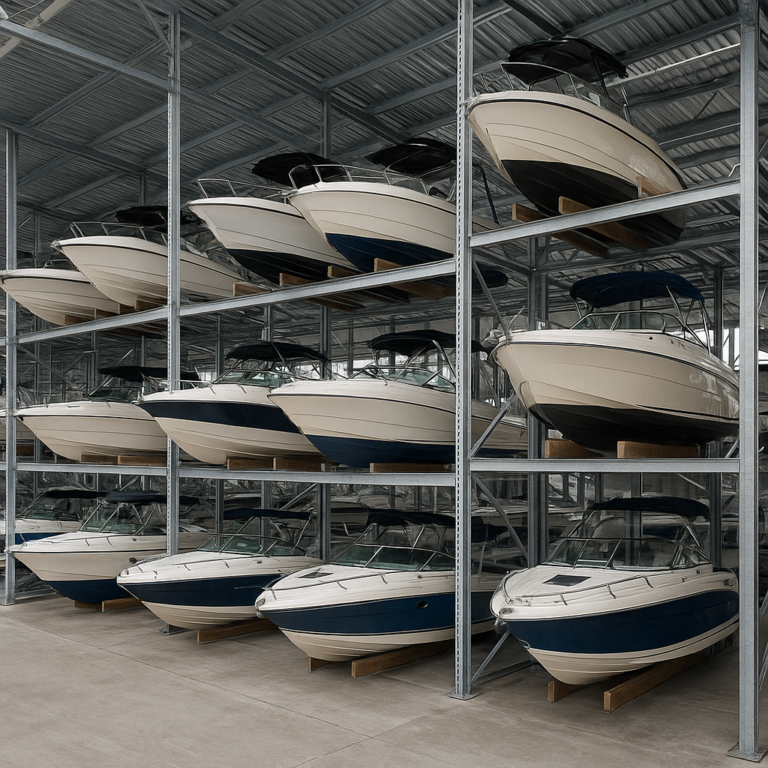
🏢 Storage Solutions and Ownership Costs: What the Demographics Tell Us
Where do you put the boat when you aren’t using it? This question is becoming more critical as ownership costs rise.
The Storage Boom
With 54 days of use and 28 trailering events, the boat spends most of its life on land.
- Mixed-Use Facilities: The trend is moving toward Class A storage facilities that offer RV and boat storage, security, and even maintenance services.
- Location Matters: Inland owners need accessible storage near their homes, while coastal owners need secure dry-stack or covered slips.
Cost Breakdown
- Annual Cost: $5,0 – $8,0 for a new boat.
- Storage Fees: Can range from $50 to $2,0+ per year depending on location and facility type.
- Insurance: Varies by boat type and owner age, but is a significant line item.
Pro Tip: Buying a boat in the fall or early winter can save you thousands on the purchase price and potentially lower your insurance premiums.
🛒 How Demographics Influence Brand Loyalty: From Grady-White to Bayliner
Brands aren’t just selling boats; they are selling to specific demographics.
Brand Preferences by Age
- Grady-White: Favored by Bomers and Gen X for its durability and resale value. It’s the “Toyota” of the boating world.
- Bayliner: Popular with Millennials and first-time buyers due to its affordability and modern styling.
- MasterCraft: The go-to for Gen Z and wake sports enthusiasts.
- Benington: Dominating the family pontoon market across all generations.
The “Grady-White” Phenomenon
A quick look at the Reddit thread on Grady-White owners reveals a passionate community. Owners cite quality, resale value, and safety as their top reasons. This brand loyalty is a testament to the power of demographic targeting.
The Rise of Niche Brands
- Electric Boats: Brands like Lumix and Tidewater are gaining traction with eco-conscious millennials.
- Custom Builds: Gen X and Boomers are increasingly opting for custom builds to suit their specific lifestyle needs.
🔮 Future Trends: Where the Boat Owner Demographics Are Heading Next
What does the future hold for the American boater?
The Electric Revolution
As battery technology improves, electric outboards will become the norm for smaller boats, appealing to the environmentally conscious younger generation.
The Sharing Economy
Peer-to-peer rentals and boat clubs will continue to grow, making boating accessible to those who can’t afford full ownership.
The Digital Transformation
Boats will become more connected, with AI-assisted navigation, automated docking, and smart home integration becoming standard features.
The Generational Handoff
As Boomers retire and Gen X takes the helm, we will see a shift towards smaller, more efficient boats that are easier tow and maintain.
The Big Question: Will the next generation of boat owners be able to afford the lifestyle, or will the industry pivot to a more rental-based model? Only time will tell.
Conclusion

The demographics of boat owners are as dynamic as the waters they navigate. From the middle-class families enjoying a weekend on a pontoon to the tech-savy Millennials chasing wakes in a wakeboard boat, the face of boating is changing.
Key Takeaways:
- Boating is for Everyone: It’s not just for the rich; 61% of owners earn under $10k.
- Age is Just a Number: The average first-time buyer is now 46, and Millennials are the fastest-growing segment.
- Size Matters: 95% of boats are under 26 feet, proving you don’t need a yacht to have fun.
- Geography Counts: Where you live dictates how often you boat, with inland states seeing higher usage rates.
Our Recommendation:
Whether you’re a seasoned skiper or a first-time buyer, the key to a successful boating experience is education and community. Don’t be afraid to ask questions, join a boat club, or explore the pre-owned market. The water is calling, and there’s a place for everyone on board.
For more insights on choosing the right boat for your lifestyle, check out our Boat Buying Guide or explore the latest Boat Industry News.
Recommended Links
Top Brands for Every Demographic
- Grady-White: Search on Amazon | Grady-White Official
- Bayliner: Search on Amazon | Bayliner Official
- MasterCraft: Search on Amazon | MasterCraft Official
- Benington: Search on Amazon | Benington Official
Essential Books for New Owners
- The Complete Guide to Boat Ownership: Find on Amazon
- Marine Navigation for Beginners: Find on Amazon
FAQ

How do boating habits change across different age groups?
Boating habits vary significantly by age. Baby Boomers tend to favor larger, more comfortable cruisers and spend more time on the water, often using their boats as a primary vacation destination. Gen X owners are more likely to use their boats for family activities, such as fishing and swimming, and often own mid-sized powerboats or pontons. Millennials and Gen Z are driving the demand for smaller, more agile boats like wake sport boats and personal watercraft, prioritizing social experiences and digital connectivity.
Do boat ownership trends differ by region?
Absolutely. Alaska leads the nation with 32.2% of households owning a boat, followed by New Hampshire and Minnesota. Coastal states like Florida have the highest number of boats due to population size, but inland states often have higher usage rates. For example, boats in North Dakota are used an average of 71 days a year, while those in West Virginia are used only 3 days.
Read more about “15 Must-Know Recreational Boat Sales Statistics (2025) 🚤”
What types of boats do different demographics prefer?
- Bomers: Cruisers, cabin boats, and large center consoles.
- Gen X: Pontons, family runabouts, and fishing boats.
- Millennials/Gen Z: Wake sport boats, personal watercraft (PWC), and smaller open powerboats.
Read more about “Types of Boats Owned Statistics: Top 10 Trends You Didn’t Know 🚤 (2026)”
How does boat ownership vary by gender?
Historically, boating was male-dominated, but women are increasingly becoming primary decision-makers. New boater demographics show a 1.5 times higher likelihood of women entering the market. Female buyers often prioritize safety, stability, and ease of handling, influencing the design of modern boats.
What income level do most boat owners have?
Contrary to popular belief, 61% of boat owners have a household income of $10,0 or less. The largest income bracket is $75,0 to $149,9, representing 37.5% of owners. This confirms that boating is a middle-class hobby, not just a luxury for the wealthy.
Read more about “🚤 Brunswick Corporation: The 12 Marine Giants Powering Your Adventure (2026)”
Are boat owners more likely to live near water?
Yes, but not exclusively. While coastal states have high ownership rates, inland states with abundant lakes (like Minnesota and Wisconsin) also have high ownership percentages. The key factor is accessibility to water, whether it’s a lake, river, or ocean.
Read more about “Who Really Owns a Boat? 2026 Boat Ownership Demographics Revealed 🚤”
What are the most common hobbies or interests of boat owners besides boating?
Boat owners often enjoy fishing, watersports (wakeboarding, tubing), swimming, and outdoor dining. Many also participate in marina communities, boat clubs, and charity events.
How many boat owners have a college education or higher?
While specific data on education levels is limited, the middle-class demographic suggests a high percentage of boat owners have at least some college education. The industry attracts individuals with disposable income, which often correlates with higher education levels.
What are the most popular types of boats owned by recreational boaters?
Open powerboats are the most popular, owned by almost 6 million households. Pontoon boats and fishing boats are also highly popular, especially among families.
Read more about “🚨 What % of Boaters Wear Life Jackets? (2026 Stats)”
Do boat owners tend to live in coastal or inland areas?
Both. Coastal states like Florida and California have high numbers of boat owners, but inland states like Minnesota and Wisconsin have higher ownership rates per capita. The trend is shifting towards inland boating due to the availability of lakes and rivers.
What percentage of boat owners are male versus female?
While exact percentages vary, the industry is still predominantly male, but female participation is rising. New boater demographics show a significant increase in women, with a 1.5 times higher likelihood of being women compared to previous trends.
What is the most common household income of boat owners?
The most common household income is in the $75,0 to $149,9 range, representing 37.5% of owners. This confirms that the typical boat owner is middle-class.
Read more about “🚤 What % of People Own a Boat? (2026 Stats & Secrets)”
What is the average age of a boat owner in the United States?
The historical average age was 58 years, but the average age of a first-time buyer has dropped to 46 years. The overall demographic is shifting younger, with Millennials making up 31% of the boater population.
Read more about “Who Makes the Most Boats? 🌊 Top 10 Global Builders (2026)”
Reference Links
- Boat Industry Statistics: Boat Brands Statistics
- Boat Buying Guide: Boat Brands Buying Guide
- Boat Manufacturers: Boat Brands Manufacturers
- Boat Lifestyle: Boat Brands Lifestyle
- Reddit Discussion: Who is the typical Grady White owner?
- Grady-White Boats: Official Website
- Bayliner: Official Website
- MasterCraft: Official Website
- Benington Marine: Official Website
- National Marine Manufacturers Association (NMA): NMA Statistics
- BoatUS Foundation: BoatUS Foundation