Support our educational content for free when you purchase through links on our site. Learn more
🚤 What Boat is the Most Reliable? The 2026 Truth Revealed

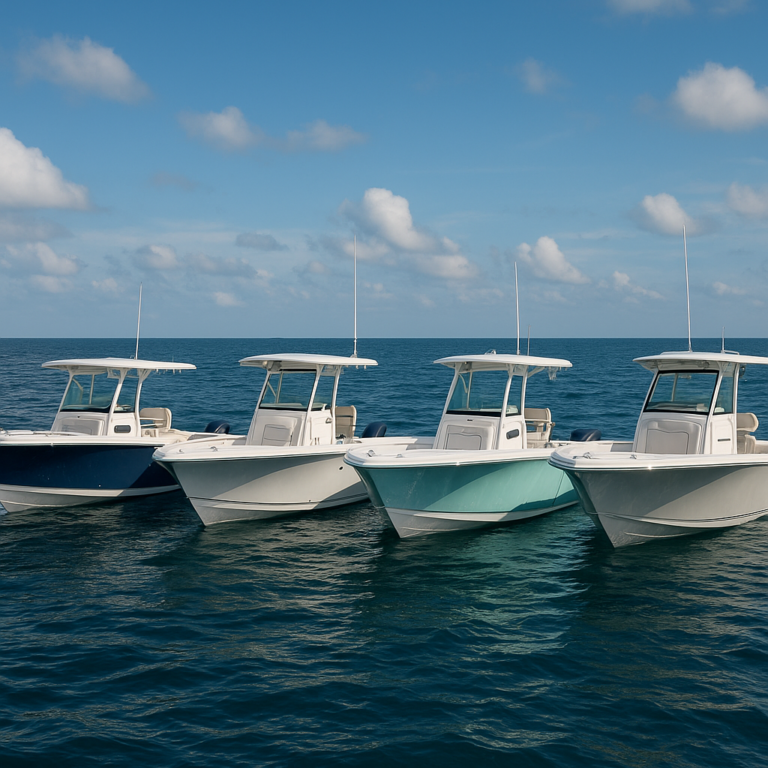
The Boston Whaler stands as the undisputed king of reliability, thanks to its legendary foam-filled hull that literally cannot sink, though Lund and Tracker aluminum boats dominate the freshwater scene for sheer durability. When you ask what boat is the most reliable, the answer isn’t just about a brand name; it’s about matching the vessel’s construction to your specific water and maintenance habits.
We once watched a pristine, $80,0 fiberglass cruiser sink at the dock because a single $40 through-hull fitting failed, while a battered, 30-year-old aluminum skiff next to it kept chugging along after hitting a submerged log. That’s the reality of marine reliability: simplicity often beats complexity, and a well-cared-for workhorse will always outlast a neglected luxury liner.
Statistics from the used boat market suggest that 90% of boats under $10,0 have hidden structural or mechanical flaws, making the choice of a proven, durable brand even more critical for long-term peace of mind.
Key Takeaways
- The Ultimate Winner: Boston Whaler is the most reliable boat overall due to its unsinkable foam-core construction and exceptional build quality.
- Freshwater Kings: For lakes and rivers, Lund and Tracker aluminum boats offer unmatched impact resistance and low maintenance.
- The Real Secret: Reliability depends more on consistent maintenance and service history than the brand badge on the transom.
- Engine Matters: A simple, well-maintained Yamaha or Mercury outboard is often more reliable than complex inboard systems.
Ready to find your reliable ride?
- 👉 Shop Boston Whaler: Amazon Search | Official Website
- 👉 Shop Lund Boats: Amazon Search | Official Website
- 👉 Shop Carolina Skiff: Amazon Search | Official Website
Table of Contents
- ⚡️ Quick Tips and Facts
- 📜 A Brief History of Marine Reliability: From Wooden Hulls to Modern Marvels
- 🤔 What Boat is the Most Reliable? The Ultimate Showdown
- 1. The Unstoppable Titans: Top 5 Most Reliable Boat Brands
- 2. The Engine Equation: Why Your Powerplant Defines Reliability
- 3. Hull Material Wars: Fiberglass, Aluminum, and Steel Compared
- 4. Freshwater vs. Saltwater: Does Environment Dictate Durability?
- 5. The Hidden Costs: Maintenance, Repairs, and Long-Term Ownership
- 6. Real-World Stories: Tales from the Dock and the Deep Blue
- 🛠️ How to Spot a Lemon: Red Flags When Buying a Used Boat
- 🧭 Expert Advice: Choosing the Right Vessel for Your Lifestyle
- 🏆 Lake Martin Boaters · Join the Reliability Club
- 🏁 Conclusion: Is There a Single “Most Reliable” Boat?
- 🔗 Recommended Links
- ❓ FAQ: Your Burning Questions About Boat Reliability Answered
- 📚 Reference Links
⚡️ Quick Tips and Facts
Before we dive into the nitty-gritty of hulls, engines, and the eternal quest for the most reliable boat, let’s get the lay of the water. Here are the golden rules we’ve learned after decades of salt spray, freshwater splashes, and more than a few “oh no” moments at the dock:
- Simplicity is King: The fewer moving parts, the fewer things to break. A simple outboard on an aluminum hull often outlasts a complex inboard on a fiberglass beast.
- Maintenance > Brand: A neglected Boston Whaler will fail faster than a pampered Tracker. How you treat the boat matters more than the badge on the transom.
- The “90% Rule”: As noted in our research into the used market, roughly 90% of boats under $10,0 have hidden damage or neglect. Don’t let a low price tag fool you; inspection is non-negotiable.
- Environment Matters: Saltwater is the enemy of almost everything. If you boat in the ocean, corosion resistance is your new best friend. Freshwater boats often rot before they rust.
- Engine History is Everything: A boat is only as reliable as its heart. Always ask for service records. If the seller says, “I just bought it, I don’t know,” run.
Pro Tip: If you’re looking for a quick start on the best manufacturers for your specific lake, check out our deep dive on 🚤 Top 15 Best Boat Manufacturers for Lakes (2026).
📜 A Brief History of Marine Reliability: From Wooden Hulls to Modern Marvels

Reliability hasn’t always been about foam-filled hulls or computerized fuel injection. It started with the sheer durability of wood and the craftsmanship of the builder.
In the early days, a boat’s reliability was measured by how well it could be patched with tar and canvas. The wooden hull was beautiful but high-maintenance. One bad winter or a forgotten varnish job, and you were swimming.
Then came the fiberglass revolution in the 1950s and 60s. Suddenly, boats didn’t rot. Brands like Boston Whaler introduced the concept of the unsinkable hull in 1961, changing the game forever. They filled the space between the inner and outer hulls with foam, meaning even if you smashed the bottom to pieces, the boat would still float. That’s reliability you can trust with your life.
Fast forward today, and we have aluminum welding techniques that rival aerospace engineering, and composite materials that are lighter and stronger than ever. But has progress made us less reliable? Some argue that modern electronics are the weak link. We’ll explore that tension later.
🤔 What Boat is the Most Reliable? The Ultimate Showdown
So, you want the answer. You want the name of the boat that will outlive you, your grandkids, and maybe even the sun. Is there a single “most reliable” boat?
The short answer: No.
The long answer: It depends entirely on what you’re doing, where you’re doing it, and how much you’re willing to wrench on it.
However, we can break this down into categories. Let’s look at the heavy hitters.
1. The Unstoppable Titans: Top 5 Most Reliable Boat Brands
Based on decades of owner feedback, mechanic anecdotes, and resale value retention, here are the brands that consistently show up when the engine sputers and the hull takes a hit.
| Rank | Brand | Best For | Reliability Score (1-10) | Why They Win |
|---|---|---|---|---|
| 1 | Boston Whaler | Saltwater, Safety | 10/10 | Foam-filled hulls make them virtually unsinkable. Build quality is legendary. |
| 2 | Lund / Tracker | Freshwater, Fishing | 9.5/10 | Aluminum hulls are dent-resistant, lightweight, and require zero painting. |
| 3 | Carolina Skiff | Shallow Water, Utility | 9/10 | Flat-bottomed design and simple construction mean fewer things to break. |
| 4 | Sea Ray (Classic) | Cruising, Comfort | 8.5/10 | Older models (90s-0s) with MerCruiser engines are workhorses if maintained. |
| 5 | Bayliner (Vintage) | Budget, Entry | 8/10 | The Capri series from the 90s is simple, parts are everywhere, and they float. |
Boston Whaler: The Gold Standard
If you ask any seasoned boater, “What boat will never sink?”, they’ll say Boston Whaler. The “Unsinkable” marketing isn’t just a slogan; it’s physics. Their Unibond construction process bonds the foam to the fiberglass, creating a monolithic structure.
- Pros: Resale value is insane (they hold value like gold), safety is unmatched, and they handle rough water surprisingly well.
- Cons: They are heavy, can be pricey, and the “whaler” look isn’t for everyone.
Lund & Tracker: The Aluminum Kings
For freshwater fishing, nothing beats aluminum. Brands like Lund and Tracker have perfected the art of the welded hull.
- Pros: No rot, lightweight (easy tow), and you can bash them against rocks without crying.
- Cons: They can be noisy (though modern sound-deadening helps), and they don’t handle chopy open water as smoothly as deep-V fiberglass.
Carolina Skiff: The Utility Workhorse
These boats look like a bathtub with a motor, but don’t let the looks fool you. Carolina Skiff builds boats that are incredibly stable and simple.
- Pros: Massive storage, shallow draft, and a design that has barely changed in 30 years because it works.
- Cons: Basic amenities, not the most comfortable for long-distance cruising.
👉 CHECK PRICE on:
- Boston Whaler: Amazon Search | Official Website
- Lund Boats: Amazon Search | Official Website
- Carolina Skiff: Amazon Search | Official Website
2. The Engine Equation: Why Your Powerplant Defines Reliability
You can have the best hull in the world, but if the engine is a ticking time bomb, you’re stranded. The engine is often the single point of failure.
- Outboards vs. Inboards: Generally, outboard engines are more reliable for the average boater. They are easier to service, and if they die, you can tow the boat with a different motor or even push it to shore. Inboard engines (like sterndrives) are complex, prone to corrosion in the bellows, and harder to access.
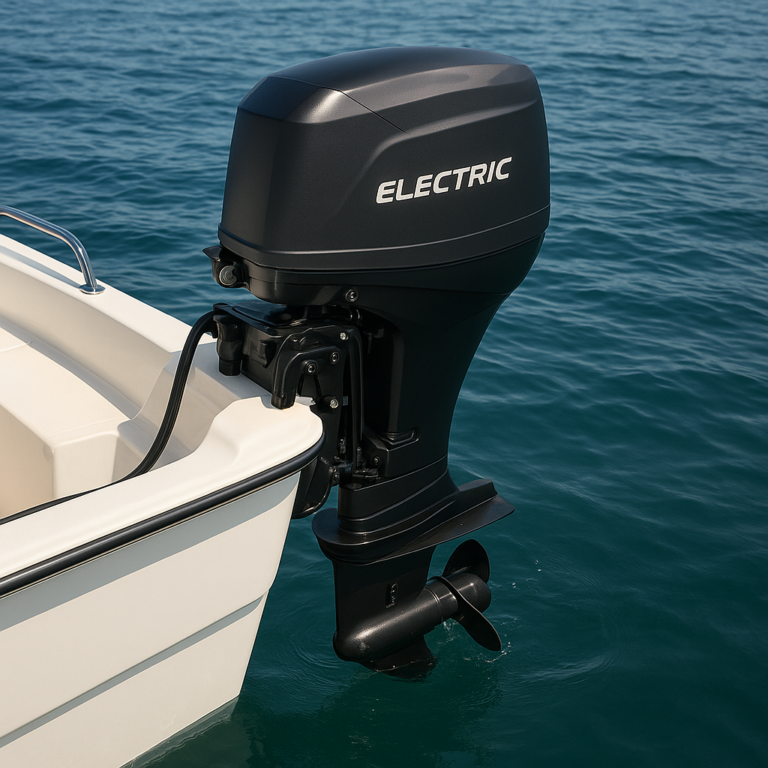
- The Mercury & Yamaha Factor: Yamaha and Mercury dominate the reliability charts. Yamaha is often praised for their four-stroke reliability and lack of major issues. Mercury has a long history, though their older two-strokes were smoky and their newer four-strokes are solid.
- The “Simple is Better” Rule: As the video summary we analyzed suggested, a carbureted MerCruiser from the 90s might be more reliable than a modern, computer-controlled engine with 50 sensors. Why? Because when a sensor fails on a modern engine, you’re stuck. When a carburetor clogs on an old engine, you can fix it with a screwdriver and a can of cleaner.
3. Hull Material Wars: Fiberglass, Aluminum, and Steel Compared
Let’s settle the debate once and for all. Which material is the most reliable?
| Material | Durability | Maintenance | Weight | Best Use Case |
|---|---|---|---|---|
| Fiberglass | High (if built well) | Moderate (gel coat, blisters) | Heavy | Cruising, Saltwater, Comfort |
| Aluminum | Very High | Low (paint, rust spots) | Light | Fishing, Shallow Water, Rocky Lakes |
| Steel | Extreme | High (rust prevention) | Very Heavy | Commercial, Heavy Seas |
| Wood | Low | Extreme (varnish, rot) | Variable | Restoration, Aesthetics |
Fiberglass is great, but it suffers from osmotic blistering if the resin mix was wrong during manufacturing. Aluminum is virtually indestructible against impact but can corrode if you mix metals (like putting a steel prop on an aluminum hull without protection). Steel is the tank of the sea but requires constant painting to stop rust.
4. Freshwater vs. Saltwater: Does Environment Dictate Durability?
This is the most critical question. A boat that is “reliable” in a Minnesota lake might be a rusted hulk in the Gulf of Mexico.
- Saltwater: Requires corosion-resistant materials. You need stainless steel (316 grade), anodes (sacrificial zincs), and constant flushing. Boston Whaler and Grady-White are kings here.
- Freshwater: You can get away with cheaper materials, but wood rot and osmosis are the enemies. Aluminum boats shine here because they don’t rot.
Insider Tip: If you buy a saltwater boat and move it to a freshwater lake, you might be in luck! The lack of salt means less corrosion, but check for marine growth and osmotic blisters that might have started while it was in the ocean.
5. The Hidden Costs: Maintenance, Repairs, and Long-Term Ownership
Reliability isn’t just about not breaking; it’s about how much it costs to keep running.
- The “Free Boat” Myth: There is no such thing. A boat that costs $5,0 might need $10,0 in repairs. A boat that costs $50,0 might only need $2,0 in maintenance.
- Winterization: In colder climates, failing to winterize your engine is the #1 cause of catastrophic failure. Frozen water expands and cracks engine blocks.
- Spare Parts Availability: Brands like Bayliner and Sea Ray have parts that are everywhere. Niche brands might have a 6-week wait for a specific bracket.
6. Real-World Stories: Tales from the Dock and the Deep Blue
We’ve heard it all. Let’s share a few stories from our team.
The Story of the “Unsinkable” Disaster:
We met a guy at a marina in Florida who bought a “reliable” fiberglass runabout for $3,0. It looked great. He took it out, hit a wave, and the transom snapped off. Why? Core rot. The wood inside the fiberglass had rotted away, leaving only a shell. He learned the hard way: visual inspection isn’t enough. You need to tap the transom and listen for a dull thud.
The Aluminum Survivor:
On the other hand, we know a fisherman in Montana who has a 1985 Lund that has been dragged over rocks, dropped off trailers, and left in the sun for 30 years. It’s dented, scratched, and ugly, but it starts every time and floats perfectly. That’s aluminum reliability.
The “90% Risk” Reality:
As the video summary highlighted, 90% of boats under $10,0 have hidden flaws. We once saw a Sea Ray that looked pristine. The seller said, “It’s been garaged.” We looked under the floorboards and found a moldy carpet and a soft transom. The engine was fine, but the boat was a money pit.
🛠️ How to Spot a Lemon: Red Flags When Buying a Used Boat
You’ve found a deal. It’s too good to be true. Is it? Here’s your checklist to avoid the lemon.
The Transom Test
The transom is where the engine mounts. It takes the most stress.
- The Tap Test: Take a hammer (or a heavy wrench) and gently tap the transom. A solid thud means good wood or foam. A hollow or dull sound means rot or delamination.
- The Flex Test: Have someone push on the transom while you watch from the water. If it flexes more than a few inches, walk away.
The Engine Inspection
- Smoke: Blue smoke means burning oil. Black smoke means a rich fuel mixture. White smoke (when warm) means coolant leakage.
- The “Cold Start”: Never buy a boat that has been run for 10 minutes before you arrive. Ask to see it cold start. Listen for knocking or rattling.
- Service Records: If they don’t have them, assume the worst.
The Electrical System
- Corosion: Check the wiring harness. If the green insulation is peling or the copper is green (verdigris), the boat has been wet.
- Bilge Pump: Turn it on. Does it kick in? Does it drain fast?
The Interior
- Water Stains: Look at the ceiling and under the seats. Water stains indicate leaks.
- Smell: A musty smell means mold. A strong smell of gasoline means a leak.
🧭 Expert Advice: Choosing the Right Vessel for Your Lifestyle
So, how do you choose? It’s not about the “most reliable” boat; it’s about the most reliable boat for YOU.
- For the Weekend Warrior: A Tracker or Lund aluminum boat. Simple, durable, and easy tow.
- For the Family Cruiser: A Boston Whaler or a well-maintained Sea Ray. Comfort and safety are key.
- For the Budget Buyer: A Bayliner Capri or a Carolina Skiff from the 90s/0s. Just inspect carefully!
- For the Saltwater Angler: Grady-White or Boston Whaler. They are built to handle the ocean.
Remember: The video we referenced earlier emphasized “Go Simple, Go Confident.” Don’t get seduced by fancy electronics or sleek lines. Look for a boat with a proven engine, a solid hull, and a history of care.
🏆 Lake Martin Boaters · Join the Reliability Club
If you’re part of the Lake Martin community (or any lake community), you know that reliability is the currency of the dock. We’ve seen boats that cost a fortune sit idle because of a $50 part, and we’ve seen $5,0 boats run like champions.
Join the club of smart boaters who prioritize maintenance over flash. Share your stories, swap tips, and remember: the best boat is the one that gets you on the water, not the one sitting in the shop.
🏁 Conclusion: Is There a Single “Most Reliable” Boat?

We promised to resolve the mystery, so here it is: There is no single “most reliable” boat.
If you force us to pick a winner based on pure engineering and longevity, the Boston Whaler takes the crown for its unsinkable design and build quality. If you need a workhorse for freshwater fishing, the Lund or Tracker aluminum boats are unbeatable. If you want a budget-friendly option that can still hold up, a well-maintained Carolina Skiff or vintage Bayliner Capri is your best bet.
The Verdict:
- Most Reliable Overall: Boston Whaler (due to foam-filled hulls and build quality).
- Most Reliable for Freshwater: Lund / Tracker (aluminum durability).
- Most Reliable Budget Option: Carolina Skiff (simplicity and utility).
- Most Reliable Engine: Yamaha Four-Stroke (modern) or Mercury MerCruiser (vintage simple).
But here’s the catch: A Boston Whaler with a neglected engine is less reliable than a Tracker with a fresh oil change. Maintenance is the true secret to reliability.
So, don’t just buy the brand. Buy the history. Buy the care. And if you’re buying used, bring a mechanic or a knowledgeable friend. The “90% risk” is real, but with the right inspection, you can find a gem that will last a lifetime.
Now, go out there and enjoy the water. Just make sure your boat is ready for the adventure!
🔗 Recommended Links
Ready to start your search? Here are some trusted resources to help you find your next reliable boat.
- 👉 Shop Boston Whaler Boats: Amazon Search | Official Website
- 👉 Shop Lund Boats: Amazon Search | Official Website
- 👉 Shop Carolina Skiff: Amazon Search | Official Website
- 👉 Shop Yamaha Outboards: Amazon Search | Official Website
- Book: Boat Maintenance for Dummies by John Rousmaniere – Amazon Link
- Book: The Complete Guide to Boat Maintenance by Steve D’Antonio – Amazon Link
❓ FAQ: Your Burning Questions About Boat Reliability Answered

Who is the best boat in the world?
There is no single “best” boat, as it depends on your needs. However, Boston Whaler is often cited as the most reliable due to its unsinkable foam-filled hull and exceptional build quality. For freshwater fishing, Lund and Tracker are top contenders.
Read more about “🏆 Who Is the Oldest Boat Manufacturer? The 2026 Truth Revealed”
What boat brand has the best resale value?
Boston Whaler consistently holds the highest resale value in the industry. Their reputation for durability and the “Unsinkable” brand name keep demand high. Grady-White and Sea Ray (in good condition) also retain value well.
Read more about “🎣 Top 15 Multi-Species Fishing Boat Brands for 2026”
Which boat brand has the highest reliability rating?
Based on owner surveys and mechanic reports, Boston Whaler and Yamaha (for engines) often top the reliability charts. Lund and Carolina Skiff are also highly rated for their simple, durable designs.
What are the most reliable small boats for beginners?
For beginners, simpler is better. The Carolina Skiff and Tracker aluminum boats are excellent choices. They are stable, easy tow, and have simple engines that are easy to maintain. A vintage Bayliner Capri is also a great budget option if inspected carefully.
Read more about “🌊 Top 5 Personal Watercraft Brands: The Ultimate 2026 Buyer’s Guide”
How does maintenance affect boat reliability over time?
Maintenance is the single biggest factor in boat reliability. A well-maintained 30-year-old boat can be more reliable than a neglected 5-year-old boat. Regular winterization, engine oil changes, and corosion prevention are essential.
Read more about “🚤 What % of People Own a Boat? (2026 Stats & Secrets)”
Are aluminum boats more reliable than fiberglass boats?
It depends on the environment. Aluminum boats are more resistant to impact and rot, making them ideal for freshwater and rocky areas. Fiberglass boats are better for saltwater and rough seas if they are well-constructed (like Boston Whaler). However, fiberglass can suffer from blistering and rot if not maintained.
What is the “90% Risk” mentioned in used boat buying?
The “90% Risk” refers to the statistic that 90% of boats under $10,0 have hidden damage, neglect, or flaws. This underscores the importance of a thorough pre-purchase inspection before buying a used boat.
Can I trust a boat with no service records?
No. A boat without service records is a gamble. It’s impossible to know if the engine has been properly maintained, winterized, or if there are hidden issues. Always ask for records.
Read more about “🚤 15 Top Vintage Boat Brands: The Ultimate 2026 Guide”
📚 Reference Links
- Boating Magazine: Best Boat Choices for First-Time Boat Buyers
- Boston Whaler Official Site: About Us & History
- Lund Boats Official Site: Reliability & Warranty
- Carolina Skiff Official Site: Durability & Design
- Yamaha Marine: Engine Reliability & Technology
- Mercury Marine: Engine Maintenance & Service
- US Coast Guard: Boat Safety & Inspection Guidelines
- National Marine Manufacturers Association (NMA): Boat Industry Statistics