Support our educational content for free when you purchase through links on our site. Learn more
What Percentage of Boats Are Used for Recreational Purposes? 🚤 (2025)


Ever wondered just how many boats out there are truly made for fun? Spoiler alert: it’s a whopping majority! Whether it’s a sleek powerboat slicing through the waves, a peaceful sailboat drifting on a summer breeze, or a zippy Jet Ski carving up the water, recreational boating dominates the fleet. But how dominant? And why has this pastime exploded into such a massive lifestyle and industry?
At Boat Brands™, we’ve crunched the numbers, explored the history, and gathered stories from real boaters to bring you the ultimate deep dive into the world of recreational boating. Stick around—we’ll reveal surprising stats, explore the economic impact, and even share insider tips on how you can join the fun without breaking the bank. Ready to discover why the heart of the fleet beats for play? Let’s set sail!
Key Takeaways
- Over 95% of boats on U.S. waters are used for recreational purposes, making leisure boating the dominant use of vessels nationwide.
- Recreational boats range widely—from small kayaks and fishing boats to luxury yachts and personal watercraft like Sea-Doo and Jet Skis.
- The booming recreational boating industry contributes $230 billion annually to the U.S. economy and supports hundreds of thousands of jobs.
- Popular boating states include Florida, Michigan, and California, where boating culture thrives year-round or seasonally.
- Emerging trends like eco-friendly electric boats and boat-sharing clubs are making boating more accessible and sustainable than ever.
- Whether you’re dreaming of family adventures or adrenaline-fueled watersports, there’s a recreational boat for every lifestyle and budget.
Ready to dive deeper? Keep reading for detailed insights, expert anecdotes, and everything you need to know about the fun side of boating!
Table of Contents
- ⚡️ Quick Tips and Facts: Your Boating Snapshot
- ⚓️ The Recreational Boating Landscape: A Historical Voyage
- 🧐 Defining “Recreational”: What Counts as Fun on the Water?
- 📊 The Big Reveal: What Percentage of Boats Are Truly for Play?
- 🎉 Why So Much Play? The Driving Forces Behind Recreational Boating Popularity
- 🚢 Beyond Recreation: The Other Side of the Fleet – Non-Leisure Boat Usage
- 💰 The Economic Wake: How Recreational Boating Fuels Industries
- 🔮 Navigating the Future: Trends Shaping Recreational Boating and Ownership
- 🗣️ Our Team’s Take: Personal Anecdotes from the Boat Brands™ Crew
- ✅ Quick Tips for Aspiring Recreational Boaters
- 🏁 Conclusion: The Heart of the Fleet Beats for Fun!
- 🔗 Recommended Links: Dive Deeper into Boating
- ❓ FAQ: Your Burning Boating Questions Answered
- 📚 Reference Links: Our Sources for Smooth Sailing
⚡️ Quick Tips and Facts: Your Boating Snapshot
Welcome aboard, fellow water lovers! We’re the team at Boat Brands™, and if there’s one thing we know, it’s that the call of the open water is irresistible. Ever found yourself gazing out at a marina, wondering just how many of those beautiful vessels are purely for fun? Let’s dive right in with some quick-fire facts.
- The Overwhelming Majority: While an exact, universally agreed-upon percentage is elusive, the data overwhelmingly shows that recreational boats dominate the waterways. In 2023, there were approximately 11.6 million registered or documented recreational boats in the United States alone. When you consider the vast number of unregistered vessels like kayaks and canoes, the number used for pleasure is even higher.
- Economic Powerhouse: Don’t let the “fun” fool you; recreational boating is serious business. The industry contributes a staggering $230 billion in annual economic impact to the U.S. economy and supports over 812,000 jobs.
- What’s a “Recreational” Boat Anyway? The U.S. Coast Guard defines a recreational vessel as one “being manufactured or operated primarily for pleasure.” This includes everything from a tiny fishing kayak to a luxurious yacht, as long as its main purpose isn’t commercial.
- Top Boating States: Where’s all this fun happening? The states with the most registered boats are Florida, Michigan, Minnesota, California, and Ohio.
- Most Popular Crafts: When it comes to accidents reported, open motorboats, personal watercraft (like Jet Skis), and cabin motorboats are the most common types, which gives us a good clue about their popularity on the water.
⚓️ The Recreational Boating Landscape: A Historical Voyage
Boating for pleasure wasn’t always the massive industry it is today. For centuries, boats were primarily tools for work—fishing, transport, and trade. But as societies developed and leisure time became more common, the idea of taking to the water just for the heck of it began to catch on.
Here at Boat Brands™, we’ve seen the industry evolve firsthand. The post-World War II economic boom in the U.S. was a major turning point. Families had more disposable income, and innovations in fiberglass construction made boats more affordable and easier to maintain than their wooden predecessors. Brands like Chris-Craft and Boston Whaler became household names, selling the dream of freedom on the water.
This shift transformed boating from an activity for the wealthy elite into a beloved pastime for millions. The growth has been explosive, especially in recent decades, as more people seek outdoor activities and ways to connect with family and friends. This surge in popularity is a key reason why the boat statistics show such a massive recreational fleet today.
🧐 Defining “Recreational”: What Counts as Fun on the Water?
So, what separates a fun-loving recreational boat from its hard-working commercial cousin? It’s all about intent.
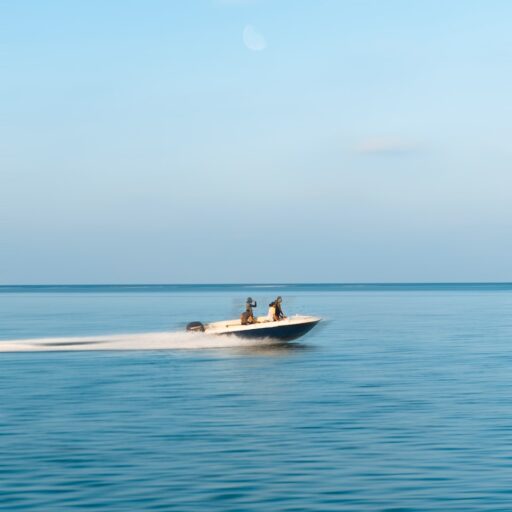
According to the U.S. Coast Guard and federal law, a recreational vessel is one operated primarily for pleasure. This means if you’re out on your Sea Ray for a Sunday cruise, wakeboarding behind your MasterCraft, or fishing for dinner from your Lund, you’re on a recreational boat.
Here’s a simple breakdown:
| ✅ Recreational Use | ❌ Commercial Use |
|---|---|
| Day cruising with family | Operating a paid fishing charter |
| Watersports (skiing, tubing) | Running a water taxi service |
| Sailing for leisure | Transporting goods for a fee |
| Personal fishing trips | Commercial fishing operations |
| Anchoring out for a swim | Conducting paid sightseeing tours |
It’s a crucial distinction. A registered recreational vessel generally cannot be used for commercial purposes. This separation ensures that safety regulations, insurance, and licensing are appropriate for how the boat is being used. The moment you start taking paying passengers, for example, you enter the world of commercial boating, which has a much stricter set of rules.
📊 The Big Reveal: What Percentage of Boats Are Truly for Play?
Alright, let’s get to the heart of the matter. While government agencies track registered vessels, they don’t always explicitly separate them into “recreational” versus “commercial” in a single, clean percentage. However, by looking at the numbers, the picture becomes crystal clear.
The National Marine Manufacturers Association (NMMA) and the U.S. Coast Guard provide the most reliable data. In 2023, there were about 11.6 million state-registered recreational vessels. The total number of commercial vessels (including fishing fleets, transport ships, tugboats, etc.) is significantly smaller. While exact figures for the entire commercial fleet are harder to consolidate, it’s safe to say that well over 95% of the boats you see on U.S. inland and coastal waters are there for recreation.
Breaking Down the Numbers: Powerboats, Sailboats, and Personal Watercraft (PWCs)
The recreational fleet is incredibly diverse. The market is dominated by powerboats, which is no surprise given their versatility for everything from fishing to watersports.
- Powerboats: This is the largest category, including everything from small open motorboats and pontoon boats to larger cabin cruisers and yachts. Brands like Brunswick Corporation (owner of Sea Ray, Boston Whaler, and Mercury Marine) and Yamaha Motor Corporation are giants in this space.
- Personal Watercraft (PWCs): Think Sea-Doo and Kawasaki Jet Ski. These zippy crafts make up a significant chunk of the recreational market and are a popular entry point into boating.
- Sailboats: While not as numerous as powerboats, sailboats have a passionate following. From small day-sailers to large cruising catamarans from brands like Beneteau or Catalina Yachts, sailing offers a different kind of connection to the water.
- Human-Powered Craft: Don’t forget the millions of unregistered kayaks, canoes, and paddleboards! A 2018 survey estimated there were over 13 million unregistered boats, with kayaks and canoes making up the vast majority.
Regional Ripples: Where Do Boaters Play the Most?
Boating culture varies across the country. The Great Lakes states, with their vast freshwater seas, have a huge boating population, which is why Michigan and Minnesota are in the top five. Florida, with its year-round boating season and extensive coastline, consistently leads the nation in registered vessels. California and Texas also boast massive boating communities, driven by their coastlines and large inland lakes.
🎉 Why So Much Play? The Driving Forces Behind Recreational Boating Popularity
Why do so many of us feel the pull of the water? It’s more than just a hobby; for many, it’s a lifestyle. At Boat Brands™, we believe it boils down to a few key things.
The Allure of the Open Water: Escapism and Adventure 🌊
There’s a unique sense of freedom that comes from casting off the lines and leaving the shore behind. Boating is an escape from the daily grind. It’s a chance to explore new coves, visit waterfront towns, and see the world from a different perspective. Whether it’s a quiet morning of fishing or an exhilarating ride across the waves, boating provides an adventure that’s hard to replicate on land.
Family Fun and Social Connections: Building Memories Ashore and Afloat 👨👩👧👦
We’ve heard countless stories from boaters about how their vessel is the centerpiece of family life. A boat is a floating playground, a mobile picnic spot, and a platform for making memories. It brings generations together, teaching kids new skills and creating a shared passion. It’s a powerful way to disconnect from screens and reconnect with each other.
Health and Wellness Benefits: From Stress Relief to Physical Activity 🧘♀️
Being on or near the water is scientifically proven to reduce stress and improve mental well-being—a phenomenon sometimes called “Blue Mind.” The gentle rocking of the boat, the fresh air, and the expansive views have a calming effect. Plus, boating often involves physical activity, from swimming and waterskiing to simply managing the boat itself.
Accessibility and Variety: Something for Every Water Enthusiast 🚤
The Boat Buying Guide has never been more diverse. There’s a boat for nearly every budget and interest. You can start with an inflatable or a small aluminum fishing boat and work your way up. Financing options have also made ownership more attainable. As the folks at Navy Federal Credit Union point out, flexible loan terms can help people finance their dream boat. This accessibility is a huge driver of the industry’s growth.
🚢 Beyond Recreation: The Other Side of the Fleet – Non-Leisure Boat Usage
To truly appreciate the dominance of recreational boating, it helps to understand the “other guys”—the vessels that are all business.
Commercial Vessels: The Workhorses of the Waterways
This broad category includes everything from massive container ships and oil tankers to humble tugboats and barges. These are the vessels that keep our economy moving, transporting goods and raw materials across oceans and along rivers. They are the titans of the sea, but they are far outnumbered by their fun-seeking cousins.
Government and Public Service: Keeping Our Waters Safe and Sound 🚨
The United States Coast Guard is the most visible presence here, patrolling our waters, conducting search and rescue missions, and enforcing maritime law. You’ll also find vessels operated by state and local law enforcement, fire departments, and environmental agencies. These boats are essential for safety and stewardship but represent a small fraction of the total number of vessels.
Fishing Fleets: From Small Charters to Industrial Operations 🎣
This is where the line can sometimes seem blurry. A person fishing from their Boston Whaler is recreational. A captain taking paying customers out on that same boat is commercial. Industrial fishing trawlers, part of the global food supply chain, are a world away from recreational angling. While vital, the entire commercial fishing fleet is a drop in the bucket compared to the millions of boats used for recreational fishing.
💰 The Economic Wake: How Recreational Boating Fuels Industries
The massive number of recreational boats creates a powerful economic ripple effect. It’s not just about selling boats; it’s about everything that goes with them. The recreational boating industry is a cornerstone of the American economy, generating $230 billion in economic activity annually.
Manufacturing and Sales: Building Dreams, One Hull at a Time
The heart of the industry is the Boat Manufacturers who design and build these incredible machines. From small, family-owned businesses to large corporations, these companies are hubs of innovation and craftsmanship. This sector alone supports thousands of jobs in engineering, production, and sales.
Marinas and Services: The Hubs of Our Watery World
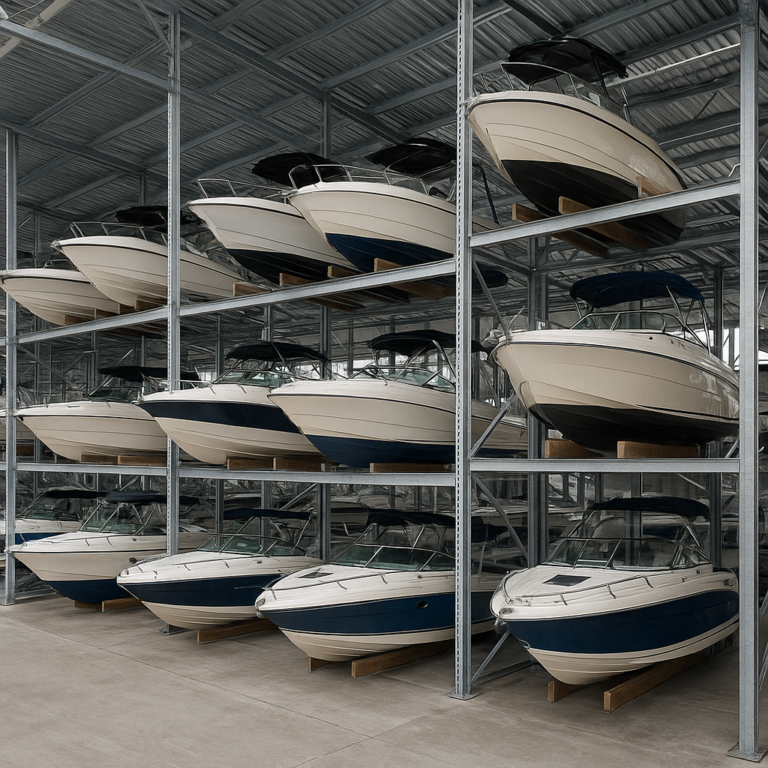
Every boat needs a place to live and people to care for it. Marinas, boatyards, and service centers are essential infrastructure. They provide dockage, fuel, maintenance, and repair services, creating local jobs in coastal and lakeside communities across the country.
Tourism and Hospitality: Drawing Crowds to the Coastlines
Waterfront communities thrive on boating. Recreational boaters spend money on fuel, groceries, restaurants, and lodging, providing a huge boost to local economies. Events like boat shows and fishing tournaments draw visitors from all over, further amplifying the economic impact.
🔮 Navigating the Future: Trends Shaping Recreational Boating and Ownership
The world of boating is always changing, and the team at Boat Brands™ is constantly tracking the latest Boat Industry News. Here are a few trends we’re keeping our eyes on.
Sustainability and Eco-Friendly Boating: Protecting Our Playgrounds 🌱
There’s a growing awareness among boaters about the importance of protecting our waterways. This is driving innovation in electric and hybrid propulsion systems from companies like Torqeedo and Mercury Marine with its Avator line. We’re also seeing more eco-friendly hull coatings and a greater emphasis on responsible boating practices, like proper waste disposal and avoiding sensitive marine habitats.
Technological Advancements: Smart Boats and Digital Navigation 📱
Modern boats are packed with technology. Integrated systems from brands like Garmin and Raymarine combine GPS, sonar, radar, and engine data into a single, intuitive interface. Joystick docking systems and “virtual anchors” are making boating easier and more accessible for newcomers. The boat of the future will be smarter, safer, and more connected than ever before.
The Rise of Boat Sharing and Rentals: More Access, Less Ownership 🤝
Does everyone need to own a boat to enjoy the water? Not anymore. Boat clubs like Freedom Boat Club and peer-to-peer rental platforms like Boatsetter are booming. These models offer a flexible and often more affordable way to get on the water without the full commitment of ownership. This trend is bringing new people into boating and changing the traditional ownership model.
🗣️ Our Team’s Take: Personal Anecdotes from the Boat Brands™ Crew
One of our senior editors, Dave, has a great story that sums up the “why” of recreational boating. For years, he owned a 22-foot center console. It wasn’t the biggest or fastest boat at the marina, but he calls it his “memory machine.”
“That boat,” he says, “was where my kids learned to fish. It’s where we’d go to watch 4th of July fireworks from the water, away from all the crowds. We had one rule on the boat: no phones unless it was for pictures. We talked. We laughed. We sometimes got stuck in the rain and huddled under the T-top, cold but laughing even harder. I sold that boat years ago, but we still talk about our adventures on it. You can’t put a price on that.”
That’s the magic, isn’t it? It’s not just about the vessel; it’s about the experiences it enables.
✅ Quick Tips for Aspiring Recreational Boaters
Thinking about joining the millions of us out on the water? Fantastic! Here are a few things to keep in mind as you start your journey.
- Know the Costs of Ownership: The purchase price is just the beginning. Remember to budget for recurring costs like insurance, storage, fuel, and maintenance. And don’t forget about taxes! Depending on your location, you’ll be responsible for personal property tax on your vessel, as outlined by municipalities like Hampton, VA. States like Massachusetts also have specific rules regarding sales and use tax on boats, which you’ll need to pay to get registered.
- Your Boat’s Value: Worried about depreciation? Here’s some good news. As the experts in this featured video explain, boats tend to hold their value much better than cars. A 10-year-old boat might still be worth 60% of its original value, whereas a car of the same age is often worth only 10%. To maximize your boat’s value, keep it clean, store it properly (preferably indoors), and be gentle with the vinyl seats!
- Start Small and Simple: You don’t need a 40-foot yacht to have fun. Many of the most popular Boat Models are versatile, easy-to-handle boats under 25 feet. Consider a pontoon boat, a center console, or a dual console for maximum family fun and utility.
- Take a Safety Course: This is non-negotiable. A boating safety course from the U.S. Coast Guard Auxiliary or a state-approved provider is the best investment you can make. It will teach you the rules of the road, how to handle emergencies, and make you a more confident captain.
- Try Before You Buy: If you’re not sure what kind of boat is right for you, consider renting or joining a boat club for a season. This gives you a chance to experience different types of boats and figure out what best suits your lifestyle.
🏁 Conclusion: The Heart of the Fleet Beats for Fun!
So, what percentage of boats are used for recreational purposes? The answer is crystal clear: the vast majority—over 95%—of boats on U.S. waters are for pure, unadulterated fun. From sleek powerboats to humble kayaks, the fleet is overwhelmingly dominated by those seeking adventure, relaxation, and connection on the water.
At Boat Brands™, we’ve seen how this passion shapes communities, fuels economies, and creates lifelong memories. Whether you’re a weekend warrior chasing the thrill of wakeboarding or a family captain teaching the next generation to fish, recreational boating is a vibrant, growing lifestyle.
We also uncovered the other side of the coin—commercial, government, and industrial vessels—that keep our waterways safe and productive, but they are dwarfed in number by recreational craft.
If you’re considering joining this vast community, remember: boating is as much about the experience as the vessel. Start small, learn the ropes, and embrace the freedom the water offers. And if financing is a concern, options like those from Navy Federal Credit Union make owning your dream boat more accessible than ever.
In short, the heart of the fleet beats for fun—and it’s calling your name. Ready to answer?
🔗 Recommended Links: Dive Deeper into Boating
Ready to explore the boats and brands that make recreational boating so popular? Check out these top picks and resources:
- Sea Ray Boats: Amazon | West Marine | Sea Ray Official Website
- Boston Whaler: Amazon | West Marine | Boston Whaler Official Website
- Sea-Doo Personal Watercraft: Amazon | West Marine | Sea-Doo Official Website
- Beneteau Sailboats: Amazon | Beneteau Official Website
- Freedom Boat Club (Boat Sharing): Official Website
- Boatsetter (Boat Rentals): Official Website
Books to deepen your boating knowledge:
- The Complete Book of Boat Care by Don Casey: Amazon
- Chapman Piloting & Seamanship by Elbert S. Maloney: Amazon
- The Total Boater Manual by Joe Megyesy: Amazon
❓ FAQ: Your Burning Boating Questions Answered
What is the most popular type of recreational boat?
Powerboats dominate the recreational market, especially open motorboats and pontoons. Their versatility for fishing, watersports, and cruising makes them favorites. Personal watercraft like Jet Skis and Sea-Doos are also extremely popular for thrill-seekers. Sailboats hold a smaller but dedicated niche, favored by those who love the art of sailing.
How many people go boating for leisure each year?
According to the U.S. Coast Guard and NMMA, over 100 million Americans participate in boating activities annually, whether as boat owners or renters. This includes everything from fishing and watersports to casual cruising.
What are the top activities done on recreational boats?
The most common recreational boating activities include:
- Fishing: Both freshwater and saltwater fishing are hugely popular.
- Watersports: Skiing, wakeboarding, tubing, and PWC riding.
- Day cruising: Exploring coastlines, lakes, and rivers.
- Social gatherings: Picnics, parties, and family outings on the water.
- Sailing: For those who prefer wind power and the challenge of the sail.
How does recreational boating impact local economies?
Recreational boating generates billions in economic activity annually. It supports manufacturing jobs, marina operations, fuel sales, tourism, and hospitality industries. Waterfront towns often rely heavily on boating-related tourism and services, especially in states like Florida and Michigan.
What safety measures are recommended for recreational boaters?
Safety is paramount. Recommended measures include:
- Taking a boating safety course (offered by the U.S. Coast Guard Auxiliary or state agencies).
- Wearing life jackets at all times.
- Having proper navigation lights and signaling devices.
- Carrying emergency equipment like flares, fire extinguishers, and first aid kits.
- Checking weather conditions before heading out.
- Avoiding alcohol while operating the boat.
What are the common sizes of boats used for recreation?
Most recreational boats range from 15 to 30 feet in length. Smaller boats (under 20 feet) are popular for fishing and day trips, while larger boats (25-30 feet and up) offer more amenities for overnight stays and extended cruising.
How has the popularity of recreational boating changed over time?
Recreational boating has grown steadily since the mid-20th century, fueled by increased leisure time, disposable income, and technological advances making boats more affordable and easier to operate. Recent trends like boat sharing and eco-friendly vessels are shaping the future, attracting new demographics and expanding access.
📚 Reference Links: Our Sources for Smooth Sailing
- National Marine Manufacturers Association (NMMA) Boating Statistics: nmma.org
- U.S. Coast Guard Recreational Boating Statistics: uscgboating.org
- Brunswick Corporation (Sea Ray, Boston Whaler): brunswick.com
- Yamaha Boats: yamahaboats.com
- Sea-Doo Personal Watercraft: sea-doo.brp.com
- Beneteau Sailboats: beneteau.com
- Freedom Boat Club: freedomboatclub.com
- Boatsetter Rentals: boatsetter.com
- U.S. Coast Guard Auxiliary Boating Safety Courses: cgaux.org/boatinged
- Hampton, VA Tax Rates (Personal Property Tax on Boats): hampton.gov
- Massachusetts Sales and Use Tax on Boats: mass.gov
- Navy Federal Credit Union Boat Loans & Rates: navyfederal.org
We hope this comprehensive guide from the Boat Brands™ crew has helped you navigate the fascinating world of recreational boating. Ready to set sail? The water’s waiting!