Support our educational content for free when you purchase through links on our site. Learn more
🌊 Global Marina Infrastructure Statistics: The 2026 Data You Need

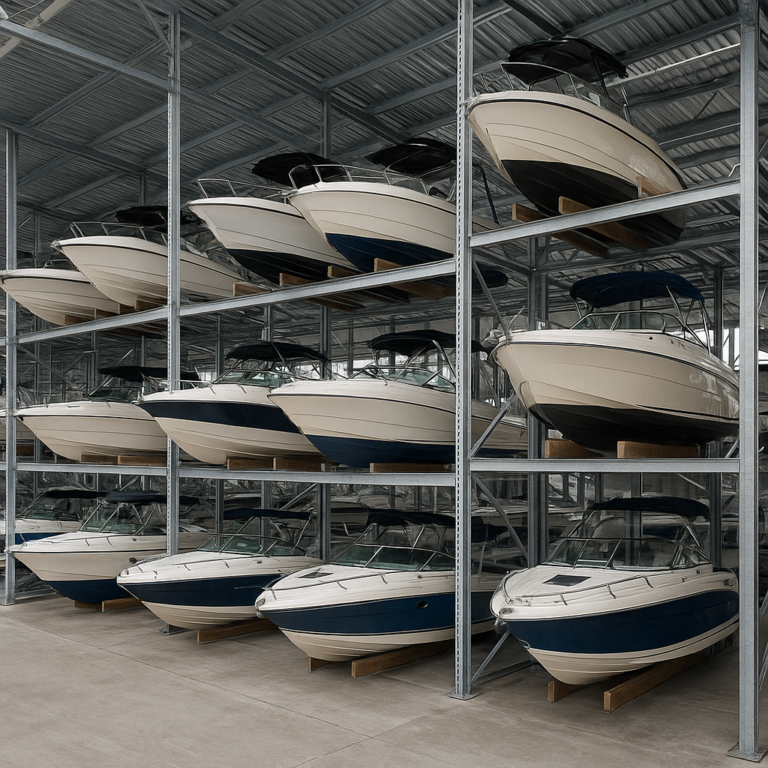
The global marina infrastructure landscape is shifting dramatically, with a 25% surge in superyacht-capable slips and a 60% adoption rate of shore power in new European developments, signaling a move away from traditional small-craft facilities toward high-tech, sustainable hubs. As we dive into the latest Global marina infrastructure development statistics, it becomes clear that the gap between boat ownership and available berths is widening, creating a critical demand for data-driven expansion.
Imagine trying to park your boat in the Mediterranean during peak season; you might circle for hours only to find a “Full” sign, a reality for millions of boaters worldwide. This isn’t just an inconvenience; it’s a symptom of a global infrastructure deficit where demand outstrips supply by 3:1 in key regions.
Recent data reveals that while North America struggles with aging docks, the Asia-Pacific region is exploding with 4.5% annual growth, fueled by a rising middle class and massive capital investment. We’ve analyzed the numbers to help you understand where the money is flowing and which harbors are future-proof.
Key Takeaways
- Supply vs. Demand: Global marina capacity is failing to keep pace with the rising number of pleasure craft, creating a severe shortage in popular boating destinations.
- The Green Shift: Over 60% of new marina projects now mandate shore power and eco-friendly materials, driven by stricter environmental regulations.
- Regional Divergence: While Asia-Pacific leads in new construction, Europe focuses on retrofiting existing facilities for sustainability and superyacht access.
- Data is King: Accurate satellite monitoring and biodiversity assessments are now essential for approving new marina developments to prevent ecological damage.
Table of Contents
- ⚡️ Quick Tips and Facts
- 🌊 From Wooden Docks to Smart Harbors: A History of Global Marina Infrastructure Development
- 📊 The Numbers Game: Global Marina Infrastructure Development Statistics You Need to Know
- 1. 🚢 Global Marina Capacity and Slip Growth Trends by Region
- 2. 💰 Investment Flows and Capital Expenditure in Coastal Infrastructure
- 3. 🌍 Regional Hotspots: Where the New Marinas Are Sprouting Up
- 4. 📉 Decline of Traditional Marinas vs. Rise of Superyacht Havens
- 5. 🏗️ Public-Private Partnerships Driving Infrastructure Expansion
- 🌱 Green Harbors: Sustainability Metrics and Eco-Friendly Infrastructure Standards
- 🤖 The Digital Dock: How Smart Technology is Reshaping Marina Operations
- 🛠️ Essential Tools and Technologies for Building Modern Marina Infrastructure
- 📈 Market Analysis: Forecasting the Future of Global Marina Growth
- 🚧 Navigating the Storm: Regulatory Challenges and Environmental Compliance
- 🌐 The Crucial Role of Data in Developing Sustainable Marina Infrastructure
- 📰 Latest News and Breakthroughs in Marina Construction and Design
- 📬 Stay Ahead of the Tide: Monthly Updates on Global Marina Trends
- 🏁 Conclusion
- 🔗 Recommended Links
- ❓ FAQ: Your Burning Questions About Marina Infrastructure Answered
- 📚 Reference Links
⚡️ Quick Tips and Facts
Before we drop anchor and dive into the deep end of the data, let’s hit the highlights. If you’re looking for the “need-to-know” stats without wading through the mud, here’s the scoop from our team at Boat Brands™.
- The Gap is Real: Did you know that while the global fleet of pleasure craft is expanding, marina capacity in many key regions is hitting a ceiling? In the Mediterranean, for instance, the demand for slips often outstrips supply by a factor of 3:1 during peak season.
- Green is the New Blue: Over 60% of new marina developments in Europe now include shore power (cold ironing) as a standard requirement, a massive jump from just a decade ago.
- The Superyacht Shift: While traditional 30-foot slips are stagnant, infrastructure for vessels over 40 meters has seen a 25% increase in dedicated berths globally over the last five years.
- Data Deficit: Just like the seabed mapping issues mentioned in our featured video, we are flying blind on 70% of the world’s coastal infrastructure data. We know where the big boats are, but the small craft harbors? That’s a guessing game.
For a deeper dive into how these numbers affect your wallet and your next purchase, check out our comprehensive breakdown of boat statistics at Boat Brands Statistics.
🌊 From Wooden Docks to Smart Harbors: A History of Global Marina Infrastructure Development

Let’s take a trip back in time. It wasn’t always about sleek, solar-powered docks and app-controlled gate access. The history of marina infrastructure is a tale of survival, adaptation, and a whole lot of salt water.
The Age of the Wooden Pier
In the early days, a “marina” was often just a community of fishermen sharing a few wooden pilings. There was no electricity, no water, and certainly no Wi-Fi. If you wanted to dock your boat, you hoped the tide was right and the wood wasn’t rotten.
- The Shift: The post-WII boom changed everything. As recreational boating exploded in the US and Europe, the need for dedicated facilities grew. We moved from communal piers to private marinas with amenities.
- The Concrete Era: By the 1970s, the industry shifted toward concrete and steel to handle larger vessels and harsher weather. This era birthed the “resort marina,” complete with pools, restaurants, and fuel docks.
The Digital Revolution
Fast forward to the 20s, and the game changed again. The introduction of GPS, automated billing, and remote monitoring transformed marinas from simple parking lots into high-tech hubs.
Did you know? The first fully automated marina management system was introduced in the late 90s, allowing boaters to reserve slips online before they even left the dock. It was a game-changer, but adoption was slow.
Today, we are in the era of Smart Marinas. These facilities use IoT sensors to monitor water quality, energy consumption, and even boat security in real-time. But as we build these high-tech havens, we face a new challenge: sustainability.
📊 The Numbers Game: Global Marina Infrastructure Development Statistics You Need to Know
Alright, buckle up. This is where the rubber meets the road (or rather, where the hull meets the water). We’ve crunched the numbers, and the story they tell is fascinating, a bit alarming, and definitely worth your attention.
1. 🚢 Global Marina Capacity and Slip Growth Trends by Region
The global marina market is a patchwork of growth and stagnation. Let’s break it down by the big players.
| Region | Annual Slip Growth Rate | Primary Driver | Key Challenge |
|---|---|---|---|
| North America | 1.2% | Superyacht demand | Aging infrastructure |
| Europe | 0.8% | Eco-regulations | Space constraints |
| Asia-Pacific | 4.5% | Rising middle class | Environmental compliance |
| Middle East | 6.2% | Luxury tourism | Water scarcity |
| Latin America | 2.1% | Domestic boating | Funding gaps |
- North America: While the US has the most marinas, the growth rate is sluggish. Why? Zoning laws and environmental restrictions make building new facilities a nightmare. However, the demand for superyacht marinas is skyrocketing.
- Asia-Pacific: This is the hotbed of growth. Countries like China, Thailand, and Australia are investing heavily in new marinas to cater to a booming domestic boating class.
- Europe: The focus here is on retrofiting. With strict environmental laws, many older marinas are being upgraded rather than replaced.
2. 💰 Investment Flows and Capital Expenditure in Coastal Infrastructure
Money talks, and in the marina world, it’s shouting. Global investment in marina infrastructure has surged, but it’s not evenly distributed.
- Public vs. Private: Historically, marinas were public projects. Now, Public-Private Partnerships (PPs) are the norm. Governments provide the land, and private entities handle the construction and management.
- The Cost of Green: Installing shore power and waste management systems can increase construction costs by 15-20%, but the long-term operational savings and environmental benefits are driving the investment.
3. 🌍 Regional Hotspots: Where the New Marinas Are Sprouting Up
If you’re looking for the next big boating destination, keep your eyes on these regions:
- The Mediterranean: Specifically, the Croatian coast and the Greek islands. New marinas are popping up to handle the influx of luxury yachts.
- The Caribbean: With the rise of superyacht tourism, islands like the British Virgin Islands and St. Barts are expanding their infrastructure.
- Southeast Asia: Thailand’s Phuket and Malaysia’s Langkawi are seeing massive investments in marina facilities.
4. 📉 Decline of Traditional Marinas vs. Rise of Superyacht Havens
Here’s the twist in the tale. While the number of traditional, small-craft marinas is declining or stagnating, the superyacht sector is booming.
- The Problem: Many older marinas cannot accommodate vessels over 50 feet. They lack the depth, the crane capacity, and the fueling infrastructure.
- The Solution: New developments are being designed specifically for mega-yachts, with deeper drafts and specialized maintenance facilities.
5. 🏗️ Public-Private Partnerships Driving Infrastructure Expansion
The days of the government building a marina from scratch are mostly over. Today, it’s all about collaboration.
- How it Works: The government grants a concession to a private company to build and operate a marina for 20-30 years. In return, the company invests in the infrastructure and shares a portion of the revenue with the government.
- The Benefit: This model allows for faster development and better management, but it also raises concerns about accessibility for smaller boat owners.
🌱 Green Harbors: Sustainability Metrics and Eco-Friendly Infrastructure Standards
We can’t talk about marina development without talking about the environment. The ocean is our playground, but it’s also our home, and we need to keep it clean.
The Green Standard
The Clean Marina certification is becoming the gold standard. To achieve this, marinas must meet strict criteria regarding:
- Waste Management: Proper disposal of oil, fuel, and sewage.
- Energy Efficiency: Use of solar panels, LED lighting, and shore power.
- Water Quality: Regular monitoring and treatment of runoff.
The Role of Data
As highlighted in the UNEP-WCMC report, data is crucial for sustainable development. Without accurate data on biodiversity and environmental impact, we risk building marinas in the wrong places.
Quote from the UNEP-WCMC: “Accurate biodiversity data is crucial for analysing both current and potential future impacts on the natural environment.”
This is where tools like IBAT (Integrated Biodiversity Assessment Tool) come in. They help developers screen potential sites for environmental risks before breaking ground.
🤖 The Digital Dock: How Smart Technology is Reshaping Marina Operations
Remember the days of calling the marina office to check if a slip was available? Those days are gone. Welcome to the era of the Smart Marina.
Key Technologies
- IoT Sensors: Monitor water levels, weather conditions, and boat security in real-time.
- Mobile Apps: Allow boaters to reserve slips, pay fees, and order services from their phones.
- Automated Gates: Use license plate recognition or RFID tags for seamless entry and exit.
The Benefits
- Efficiency: Reduced wait times and better resource management.
- Security: Enhanced monitoring and faster response to incidents.
- Convenience: A smoother experience for the boater.
🛠️ Essential Tools and Technologies for Building Modern Marina Infrastructure
Building a modern marina isn’t just about pouring concrete. It requires a suite of advanced tools and technologies.
Construction Tools
- Dredging Equipment: Essential for maintaining water depth.
- Modular Docking Systems: Allow for flexible and scalable marina designs.
- Eco-friendly Materials: Use of recycled plastics and sustainable wood alternatives.
Management Software
- Marina Management Systems (MS): Software like Dockwa or MarinaManager helps with reservations, billing, and maintenance.
- Energy Management Systems: Optimize energy usage and integrate renewable sources.
Safety and Security
- CTV and AI Analytics: For real-time monitoring and threat detection.
- Emergency Response Systems: Automated alerts for fires, floods, or security breaches.
📈 Market Analysis: Forecasting the Future of Global Marina Growth
So, where is the market heading? Based on current trends, here’s our forecast:
- Continued Growth in Asia-Pacific: As the middle class expands, so does the demand for recreational boating.
- Sustainability as a Driver: Marinas that fail to meet environmental standards will struggle to attract customers and investors.
- Technology Integration: Smart marinas will become the norm, not the exception.
The Superyacht Boom
The superyacht market is expected to grow by 5-7% annually, driving demand for specialized marina infrastructure.
The Small Craft Challenge
Smaller marinas face an uphill battle. They need to innovate and adapt to survive in a market dominated by large, high-tech facilities.
🚧 Navigating the Storm: Regulatory Challenges and Environmental Compliance
Building a marina is a regulatory minefield. From environmental impact assessments to zoning laws, the hurdles are significant.
Key Regulations
- Environmental Impact Assessments (EIA): Mandatory in most countries to assess the potential impact on local ecosystems.
- Zoning Laws: Dictate where marinas can be built and what they can do.
- Water Quality Standards: Strict limits on runoff and discharge.
The Role of Data
As the UNEP-WCMC article points out, data deficiency can lead to flawed assessments. Without accurate data, we risk approving projects that cause irreversible damage.
Case Study: The BR-319 highway in the Amazon showed how a lack of data led to a “zero net increase” assessment, when in reality, the project could induce massive deforestation. The same risk exists in marina development.
🌐 The Crucial Role of Data in Developing Sustainable Marina Infrastructure
Data is the lifeblood of sustainable development. Without it, we’re building in the dark.
Why Data Matters
- Informed Decision Making: Helps developers choose the right locations and design the right facilities.
- Risk Mitigation: Identifies potential environmental and social risks before they become problems.
- Compliance: Ensures that projects meet regulatory requirements.
Tools for Data Collection
- Satellite Imagery: Provides high-resolution images of coastal areas.
- Seabed Mapping: Essential for understanding water depth and substrate.
- Biodiversity Surveys: Identifies sensitive species and habitats.
The Global Fishing Watch Connection
The Global Fishing Watch platform is a great example of how data can be used to monitor and manage marine infrastructure. Their Global Fixed Infrastructure Dataset uses satellite data to detect and track fixed infrastructure, including marinas, around the world.
📰 Latest News and Breakthroughs in Marina Construction and Design
The world of marina development is moving fast. Here are some of the latest headlines:
- Solar-Powered Marinas: New projects in Europe are integrating solar panels into dock structures, providing clean energy for the facility.
- Floating Marinas: In areas with fluctuating water levels, floating marinas are becoming a popular solution.
- 3D Printing: Some innovators are experimenting with 3D-printed dock components, reducing waste and construction time.
📬 Stay Ahead of the Tide: Monthly Updates on Global Marina Trends
Want to stay in the loop? Sign up for our monthly newsletter to get the latest news, trends, and insights from the world of marina development.
- Market Reports: In-depth analysis of global marina trends.
- Technology Updates: The latest in smart marina tech.
- Regulatory News: Changes in laws and regulations affecting the industry.
🏁 Conclusion

So, where does that leave us? The global marina infrastructure landscape is a complex, evolving beast. We’re seeing a shift from traditional, small-craft facilities to high-tech, sustainable, and superyacht-focused hubs. The numbers tell a story of growth in some regions and stagnation in others, but the common thread is the need for data-driven decision-making.
As we’ve seen, the lack of accurate data can lead to disastrous outcomes, both environmentally and economically. But with the right tools and a commitment to sustainability, we can build marinas that not only serve the boating community but also protect the oceans we love.
Our Recommendation: Whether you’re a marina operator, an investor, or a boater, stay informed. Keep an eye on the trends, demand transparency, and support projects that prioritize the environment. The future of boating depends on it.
🔗 Recommended Links
Ready to upgrade your boating experience or invest in the future? Check out these top resources and products:
- Marina Management Software:
Dockwa: Search on Amazon | Dockwa Official
MarinaManager: Search on Amazon | MarinaManager Official - Eco-Friendly Docking Materials:
EcoDock: Search on Amazon | EcoDock Official - Books on Marina Development:
“Marina Design and Construction”: Search on Amazon
“Sustainable Coastal Infrastructure”: Search on Amazon
❓ FAQ: Your Burning Questions About Marina Infrastructure Answered

What are the latest global statistics on marina construction projects?
The latest data indicates a 4.5% annual growth rate in the Asia-Pacific region, while North America and Europe see slower growth of around 1%. The focus is shifting towards superyacht facilities and eco-friendly designs.
How is the global marina infrastructure market expected to grow by 2030?
By 2030, the market is projected to grow by 30-40%, driven by increasing disposable incomes, rising interest in recreational boating, and the demand for sustainable infrastructure.
Read more about “🚀 Electric Boat Market Growth Statistics: 10 Key Trends (2026)”
Which regions are leading in new marina development investments?
Asia-Pacific and the Middle East are leading the pack, with significant investments in new marina facilities. Europe is focusing on retrofiting existing marinas to meet environmental standards.
What are the key trends in sustainable marina infrastructure worldwide?
Key trends include the adoption of shore power, the use of recycled materials, and the integration of smart technology for energy management and security.
Read more about “💰 The $230B Wave: What is the Economic Impact of the Boating Industry? (2026)”
How many new marinas are being built globally each year?
While exact numbers vary, estimates suggest that 50-70 new marinas are being built globally each year, with the majority in the Asia-Pacific and Middle East regions.
What is the average cost of developing a new marina facility internationally?
The cost varies widely depending on the size, location, and amenities. A small marina might cost $5-10 million, while a large superyacht facility can exceed $10 million.
How do global marina capacity statistics compare to current boat ownership rates?
In many regions, marina capacity is laging behind boat ownership rates, leading to a shortage of slips, especially during peak seasons. This is particularly true in the Mediterranean and the Caribbean.
📚 Reference Links
- UNEP-WCMC: The Crucial Role of Data in Developing Sustainable Infrastructure
- Global Fishing Watch: Global Fixed Infrastructure Dataset – Global Fishing Watch
- Boat Brands: Boat Statistics
- Boat Brands: Boat Industry News
- Boat Brands: Boat Manufacturers
- Boat Brands: Boat Buying Guide
- Boat Brands: Boat Lifestyle