Support our educational content for free when you purchase through links on our site. Learn more
🌪️ How Weather Drives Boating Accidents: 6 Deadly Factors (2026)

Ever felt that sudden chill when the sky turns an ominous shade of gray, only to realize you’re miles from shore with no escape? We have, and it’s a feeling that sticks with you long after the engine is cut. At Boat Brands™, we’ve analyzed countless incident reports and spoken with survivors who faced nature’s fury head-on. The data is stark and often counterintuitive: over 50% of boating fatalities occur during the “off-season” when the water is cold and the weather is unpredictable, not just during summer storms. It’s not always the hurricane that sinks the boat; sometimes, it’s the deceptive calm of a spring thaw or the sudden “confused sea state” created by opposing winds and swells.
In this deep dive, we’re peling back the layers of how specific weather conditions—from high winds and heavy rain to the silent killer of cold water—directly spike accident rates. We’ll decode the cryptic language of Coast Guard advisories, reveal why even strong swimmers drown in warm air but cold water, and share the exact survival strategies that turn a potential tragedy into a safe return. You might be surprised to learn that alcohol consumption on the water feels three times more intoxicating due to environmental factors, compounding the risks of bad weather. By the end, you’ll know exactly when to stay docked and how to navigate the rest with confidence.
Key Takeaways
- Weather is the primary catalyst: Adverse conditions like high winds, reduced visibility, and cold water are the leading drivers of capsizing, collisions, and drowning.
- The “Off-Season” Trap: Over 50% of fatalities happen between October and April due to cold water hypothermia and complacency, not just summer storms.
- Preparation saves lives: Wearing a PFD is non-negotiable, as 73% of drowning victims were not wearing one, regardless of swimming ability.
- Decode the alerts: Understanding the difference between a Small Craft Advisory and a Gale Warning can mean the difference between a rough day and a rescue mission.
- Human error amplifies risk: Operator inattention and alcohol impairment (which feels 3x stronger on water) drastically increase accident severity during weather events.
Table of Contents
- ⚡️ Quick Tips and Facts
- 🌊 The Stormy History: How Weather Has Shaped Boating Safety Through the Ages
- 🌪️ The Big Bad Weather Factors: What Actually Drives Boating Accident Rates?
- 1. 🌬️ High Winds and Gusts: The Invisible Tug-of-War
- 2. 🌧️ Heavy Rain and Reduced Visibility: Blinded by the Elements
- 3. ⚡️ Thunderstorms and Lightning: When the Sky Strikes Back
- 4. 🌊 High Surf and Swell: The Rogue Wave Reality
- 5. ❄️ Cold Water and Hypothermia: The Silent Killer in Warm Climates
- 6. 🌫️ Fog and Low Visibility: Navigating the Whiteout
- 📉 Seasonal Shifts: How Weather Patterns Influence Accident Spikes Throughout the Year
- 🌸 Spring Thaw and Snowmelt: Swift Currents and Cold Shock
- ☀️ Summer Heatwaves and Afternoon Squalls: The Calm Before the Storm
- 🍂 Fall Off-Season Warnings: Why You Shouldn’t Ignore the Breeze
- ❄️ Winter Ice and Freezing Sprays: The Frozen Nightmare
- 🚨 Decoding the Alerts: Understanding Coast Guard and NWS Weather Advisories
- 📡 Small Craft Advisories vs. Gale Warnings: What Do They Really Mean?
- 🌪️ Hurricane and Tropical Storm Watches: When to Batten Down the Hatches
- 🌊 High Surf and Rip Current Alerts: Surfing the Wrong Way
- 🛡️ Survival Strategies: How to Mitigate Weather Risks on the Water
- 📱 Essential Weather Apps and Tools for the Modern Boater
- 🧭 Pre-Trip Weather Planning: The Checklist You Can’t Skip
- 🆘 Emergency Protocols: What to Do When the Sky Turns Gray
- 🧠 The Human Factor: Why Good Boaters Make Bad Decisions in Bad Weather
- 📊 Real-World Data: Analyzing Boating Accident Statistics by Weather Condition
- 🏆 Conclusion
- 🔗 Recommended Links
- ❓ FAQ: Your Burning Questions About Weather and Boating Safety
- 📚 Reference Links
⚡️ Quick Tips and Facts
Ahoy there, fellow mariners! 👋 At Boat Brands™, we’ve
seen it all on the water, from glassy calm mornings to white-knuckle squalls. One thing is crystal clear: weather conditions are not just a factor; they’re often the main character in the story of boating accidents. You
might think a sunny day means smooth sailing, but even seemingly benign conditions can turn treacherous faster than you can say “man overboard!”
Did you know that over 50% of California’s boating fatalities in a recent year occurred during the
“off-season” (October–April)? That’s right, those cooler, less crowded months often lull boaters into a false sense of security. And here’s another sobering thought
: 80% of people who drown in boating accidents know how to swim. It’s not about swimming ability; it’s about being prepared for the unexpected, especially when cold water
reduces body heat 25–30 times faster than air at the same temperature.
We’ve gathered some crucial insights to help you navigate the unpredictable dance between weather and water. For a
deeper dive into the numbers, check out our comprehensive article on Boat Statistics.
🌊 The Stormy History: How Weather Has Shaped Boating Safety Through the Ages
From ancient mariners navigating by the stars and the feel of the wind, to today’s sophisticated GPS
and radar systems, weather has always been the ultimate boss of the sea. Historically, a sudden storm meant potential disaster, often with no warning. Think about the tales of old, where entire fleets were lost to unexpected gales! These experiences
, etched into maritime lore, slowly but surely led to the development of better vessel designs, more robust navigation techniques, and eventually, organized weather forecasting.
The evolution of boating safety is, in many ways, a direct response to the raw
power of nature. Early sailing vessels were at the mercy of the wind, and even the advent of steam power didn’t completely eliminate the dangers of heavy seas. We’ve learned, often through tragic accidents, that respecting the weather isn
‘t just a suggestion—it’s a fundamental rule for survival on the water. Every innovation, from the humble barometer to modern satellite imagery, has been driven by the need to understand, predict, and ultimately, survive the weather’s impact
on our beloved boats.
🌪️ The Big Bad Weather Factors: What Actually Drives Boating
Accident Rates?
So, what exactly are these “big bad” weather factors that turn a pleasant day on the water into a potential nightmare? It’s more than just a little rain or a stiff breeze. It’s a complex
interplay of elements that can conspire against even the most seasoned boater. Let’s break down the primary culprits that significantly increase boating accident rates.
1. 🌬️ High Winds and Gusts: The Invisible Tug-of-War
Imagine trying to hold onto a kite in a hurricane – that’s what battling high winds can feel
like for a boater. Strong winds are a leading cause of loss of control, capsizing, and collisions. We’ve personally seen boats struggle to maintain course, getting pushed sideways, or even having their anchors drag in unexpected gusts.
One
of the most insidious effects of strong winds, especially when combined with opposing swells, is the creation of a “confused sea state.” Picture this: southerly winds pushing against northerly swells,
creating a chaotic, unpredictable chop that can slam your vessel from multiple directions. This isn’t just uncomfortable; it’s “extremely hazardous for any boater.” We’re talking waves of
5–8 feet from multiple directions that can make even a well-built boat feel like a toy.
Wind speeds don’t have to be hurricane-force to be dangerous. Gust
s up to 30 mph in coastal areas can be problematic, while southerly winds increasing to 20–30 knots, with pockets reaching gale force winds of 40 knots, demand immediate attention. Even southeast winds at 20–45 mph can quickly turn a calm outing into a desperate struggle.
And it’s not just about what happens on the open
water. Strong winds and heavy seas are notorious for causing mooring failures. We’ve heard countless stories (and experienced a few ourselves!) of vessels breaking free from their docks or moorings because
of worn lines, an insufficient number of lines, or improperly sized anchors. An adrift vessel isn’t just a lost boat; it’s a hazard to navigation and the environment. Always double-check your
lines and consider upgrading to stronger options like Samson Rope or New England Ropes if you frequently encounter windy conditions.
2. 🌧️ Heavy Rain and Reduced Visibility: Blinded by the Elements
You know that feeling when you’re driving in a downpour and your wipers just can’t keep up? Now
imagine that on the water, with no lane markers and other vessels potentially lurking in the gloom. Heavy rain doesn’t just make you wet; it drastically impairs visibility, creating a truly hazardous operating environment.
When the rain comes down in sheets, your depth perception goes out the window, and spotting other boats, navigational aids, or even debris becomes incredibly difficult. This is where your radar and GPS become your best friends. Without clear sightlines, the
risk of collision skyrockets. We’ve been caught in sudden squalls where the horizon simply vanished, and relying solely on instruments was our only option. It’s a stark reminder that even on a clear morning, you need to be prepared for
the skies to open up.
3. ⚡️ Thunderstorms and Lightning: When the Sky Strikes Back
There’s nothing quite like the ominous rumble of thunder approaching when you’re miles from shore. Thunderstorms bring a triple threat: lightning, sudden torrential rain, and often violent wind gusts. Lightning strikes are not just a Hollywood
special effect; they are a very real danger on the water, capable of damaging electronics, injuring crew, or even starting fires.
We always advise our community to monitor weather forecasts religiously before and during any trip. If thunderstorms are predicted
, it’s a clear ❌ no-go. If you’re caught unexpectedly, seeking shelter immediately is paramount. Lowering antennas and staying inside a cabin can offer some protection, but the best defense is always avoidance. Remember, the
open water provides no natural lightning protection!
4. 🌊 High Surf and Swell: The Rogue Wave Reality
Ah, the mesmerizing power of the ocean! But that beauty can quickly turn deadly when high surf and significant swells come into play. We’re not talking about gentle rollers here; we’re talking about conditions that can make your vessel
feel like a cork in a washing machine.
Waves of 12–15 feet from the northwest can create dangerous surf and strong rip currents, while seas reaching 25 feet have been forecasted during significant storm systems. Even more alarming, waves exceeding 20 feet can create “dangerous surf conditions capable of surprising experienced mariners.” We’ve seen firsthand how a series of larger waves can appear
out of nowhere, causing disorientation, injury, or even worse.
Navigating these conditions requires immense skill and a vessel designed to handle them. For smaller boats, venturing out in high surf is an absolute recipe
for disaster. Always check local marine forecasts for wave heights and swell periods. If the forecast calls for significant surf, it’s a ✅ stay-at-home day, folks.
5. ❄️ Cold Water and Hypothermia: The Silent Killer in Warm Climates
This is a big one, and
it’s often underestimated, especially in regions known for their sunny weather. The truth is, cold water doesn’t care if the air temperature is balmy. As we mentioned earlier, cold water reduces body heat 25–30 times faster
than air at the same temperature. This means that even in seemingly mild conditions, falling into cold water can quickly lead to hypothermia.
The immediate danger isn’t just the cold; it
‘s the “gasp reflex.” Sudden immersion in cold water can trigger an involuntary inhalation of water, vertigo, disorientation, and even cardiac arrest. We’ve heard heartbreaking stories of strong swimmers being overwhelmed by the initial shock and the rapid onset of impairment. The combination of cold water and swift currents can be particularly lethal, overwhelming even the strongest swimmers.
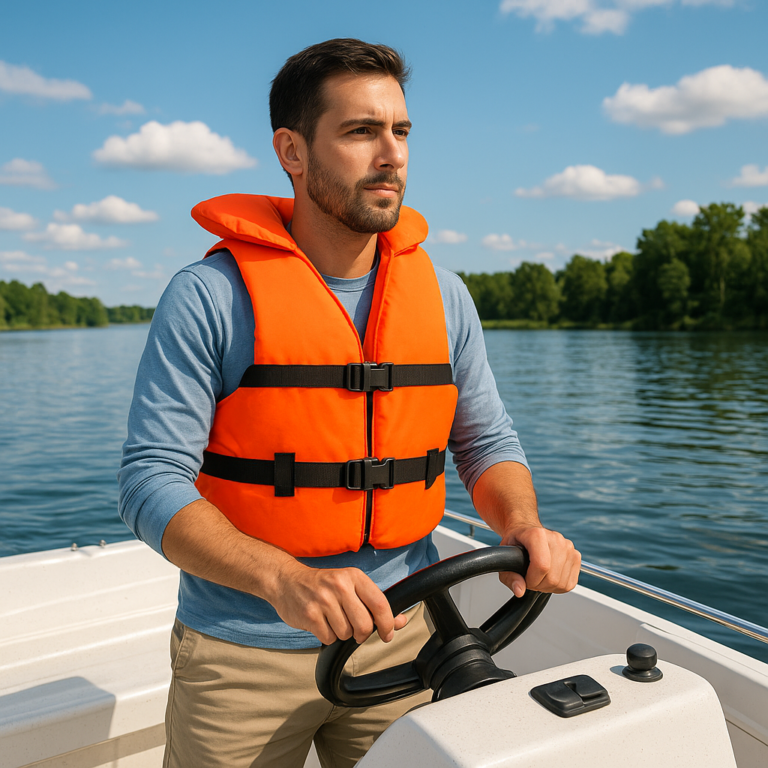
This is why Personal Flotation Devices (PFDs) are non-negotiable. Remember, 73% of drowning fatalities in a recent year were not wearing life jackets. A
PFD not only keeps you afloat but also provides crucial thermal protection. For offshore travel in cold water, immersion suits are strongly recommended to prevent hypothermia.
Our Top PFD Recommendations:
- Mustang Survival Khimera Dual Flotation PFD: Amazon | West Marine | Mustang Survival Official Website
- Onyx M-24 Manual Inflatable PFD: Amazon | Walmart | Onyx Outdoor Official Website
And here’s a kicker: alcohol consumption accelerates the effects of hypothermia. So, that cold
beer on a chilly day? It’s not just making you tipsy; it’s actively working against your body’s ability to stay warm.
6. 🌫️ Fog and Low Visibility: Navigating the Whiteout
Imagine sailing into a thick, soupy fog where you can barely see the bow of your own boat. It’s an
eerie, disorienting experience, and it’s incredibly dangerous. Fog, like heavy rain, significantly impairs visibility, turning familiar waterways into a bewildering maze.
When fog rolls in, the
risk of collision with other vessels, navigational hazards, or even land dramatically increases. Your senses are dulled, and the sound of other boats can be deceptive. This is where your navigation lights, horn, radar, and GPS become absolutely critical. We’
ve had moments where the fog was so dense, we relied entirely on our electronics and sound signals to navigate safely back to port. It’s a humbling reminder that even on a perfectly calm day, nature can throw a curveball.
<
a id=”seasonal-shifts-how-weather-patterns-influence-accident-spikes-throughout-the-year”>
📉 Seasonal Shifts: How Weather Patterns Influence Accident Spikes Throughout the Year
Just like fashion
trends, weather patterns change with the seasons, and so do the risks associated with boating. It’s not a static danger; it’s a dynamic threat that requires constant vigilance and adaptation. Understanding these seasonal shifts is key to being a smart
boater.
🌸 Spring Thaw and Snowmelt: Swift Currents and Cold Shock
Ah
, spring! The birds are chirping, the flowers are blooming, and the urge to get back on the water is irresistible. But hold your horses, because spring often brings its own unique set of hazards. The spring snowmelt from
mountains can create treacherous conditions in rivers and lakes, with swift, cold river flows.
We’ve seen how deceptively calm the surface can appear, while beneath, the currents are raging. In April 20
1, California’s mountain snowpack was at 163% of normal (the highest since 195!), leading to significantly increased water releases and flows. These swift currents can easily overwhelm even the strongest
swimmers, and the water is often bone-chillingly cold, leading to rapid hypothermia. Plus, swift water can hide unseen underwater obstacles like rocks and logs, turning a scenic cruise into a dangerous
obstacle course. Always exercise extreme caution during spring runoff.
☀️ Summer Heatwaves and
Afternoon Squalls: The Calm Before the Storm
Summer is prime boating season, right? Everyone’s out enjoying the sun, the water, and the good times. But this popularity comes with its own set of risks. Boating accidents during
the three summer holiday weekends represent 15–20% of all annual accidents. Why? More boats, more people, and sometimes, more complacency.
“Unfortunately, this congestion along
with rivers running faster and colder this summer… will lead to accidents, injuries and fatalities,” warns one source. Beyond the crowds, summer also brings the potential for sudden, violent afternoon squalls. One minute it’s
sunny and calm, the next, dark clouds roll in, bringing high winds and heavy rain. These pop-up storms can catch boaters completely off guard. It’s a classic example of the calm before the storm, and why constant
weather monitoring is crucial, even on the hottest days. For more on enjoying the boating lifestyle safely, check out our Boat Lifestyle section.
🍂 Fall Off-Season Warnings: Why You Shouldn’t Ignore the Breeze
As the leaves change and the air gets
crisp, many boaters think the dangers have subsided with the summer crowds. Think again! As we noted, over 50% of boating fatalities in California occurred between October and April in a referenced year. This “off-season” is deceptively dangerous.
“Less congested waterways make boaters think they’re less likely to be involved in a deadly accident,” but “the reality is that boaters are at risk anytime safety precautions
are ignored.” The water is colder, the weather can be more unpredictable, and there’s often a false sense of security due to fewer boats on the water. Don’t let the beautiful
fall foliage distract you from the inherent risks of cooler temperatures and potentially rougher seas.
❄️ Winter Ice and
Freezing Sprays: The Frozen Nightmare
For many of us, winter means putting the boat away. But for those in colder climates or those who brave the winter waters, the challenges are severe. Freezing temperatures can lead to ice accumulation
on decks and equipment, making surfaces incredibly slippery. Freezing spray can coat your vessel in a layer of ice, adding weight and potentially affecting stability.
And, of course, the water itself is brutally cold. Falling overboard in winter conditions is
an immediate life-threatening emergency, with hypothermia setting in almost instantly. Unless you’re specifically equipped and trained for extreme cold-weather boating, it’s generally a ✅ stay-docked season.
🚨 Decoding the Alerts: Understanding Coast Guard and NWS Weather Advisories
Understanding weather advisories isn’
t just about knowing if it’s going to rain; it’s about understanding the specific dangers they represent for boaters. The U.S. Coast Guard and the National Weather Service (NWS) issue these alerts for a reason: to
save lives. Ignoring them is like playing Russian roulette with your vessel and your crew.
📡 Small Craft Advisories vs. Gale Warnings: What Do They Really Mean?
These are two of the most common advisories you’ll hear, and knowing the difference is crucial.
- Small Craft Advisory: This means
winds are expected to be between 20 and 33 knots (23 to 38 mph), or seas are expected to be hazardous to small vessels. For us at Boat Brands™, this is often a yellow light. It doesn’
t necessarily mean “don’t go,” but it means “proceed with extreme caution” and only if your vessel is capable and you have experienced crew. It’s a warning that conditions will be challenging. - Gale Warning:
Now we’re talking serious business. A Gale Warning indicates winds of 34 to 47 knots (39 to 54 mph) are expected. This is a clear ❌ stay-at-home signal for almost
all recreational boaters. These conditions are dangerous, capable of causing significant damage to vessels and posing a severe risk to life.
We strongly encourage all boaters to have a VHF Marine Radio onboard. It’s not just for calling
for help (Channel 16); it’s also essential for monitoring weather updates on Channel WX2. Knowing what’s coming can literally be a lifesaver.
Shop
VHF Marine Radios:
- Standard Horizon GX1400GPS/E Eclipse Series VHF: Amazon | West Marine
| Standard Horizon Official Website
Garmin VHF 215 AIS Marine Radio: Amazon | West Marine | Garmin Official Website
🌪️ Hurricane and Tropical Storm Watches
: When to Batten Down the Hatches
These are the big ones, the alerts that demand immediate and serious action.
- Tropical Storm Watch/Warning: A watch means tropical storm conditions (winds 39-73 mph) are possible within 48 hours. A warning means they are expected within 36 hours.
- Hurricane Watch/Warning: A watch means hurricane conditions (winds 74+ mph) are possible within 48
hours. A warning means they are expected within 36 hours.
When these alerts are issued, it’s not a question of whether to go boating; it’s a question of how quickly and effectively you can secure your vessel and evacuate
if necessary. We’ve seen the devastating impact of these storms on marinas and coastal communities. This is when you batten down the hatches, double-up every line, remove anything that can become a projectile, and get yourself to safety. For
insights into preparing your boat for severe weather, check out our Boat Industry News section.
🌊 High Surf and Rip Current Alerts: Surfing the Wrong Way
These alerts are particularly important for coastal boaters and anyone planning to enter or exit inlets and harbors. High surf
conditions can make these areas incredibly dangerous, with powerful waves breaking unexpectedly. We’ve already discussed how waves over 20 feet can surprise even experienced mariners and create dangerous rip currents.
A **
High Surf Advisory** means large waves are expected, posing a threat to coastal areas and anyone near the water. Rip Current Statements warn of strong, narrow currents moving away from shore, capable of sweeping even strong swimmers out to sea. For
boaters, this means exercising extreme caution near shorelines, jetties, and inlets, as your vessel can be swamped or capsized by breaking waves. It’s also a warning for anyone considering swimming near the boat.
🛡️ Survival Strategies: How to Mitigate Weather Risks on the Water
Okay, we’ve talked about
the dangers. Now, let’s get to the good stuff: how to stay safe and smart when Mother Nature decides to throw a tantrum. At Boat Brands™, we believe that preparation isn’t just a good idea; it’
s your best friend on the water.
📱 Essential Weather Apps and Tools for the Modern Boater
Gone
are the days of relying solely on a barometer and a gut feeling. Today, we have an arsenal of incredible tools at our fingertips.
- NOAA Weather Radar Live: This app provides real-time radar, satellite imagery, and forecasts
directly from the National Oceanic and Atmospheric Administration. It’s a must-have for tracking storms. - Windy.com: We absolutely love Windy! It offers stunning visualizations of wind, waves, temperature, and more,
making it incredibly easy to see developing weather patterns. - AccuWeather Marine: Tailored specifically for marine forecasts, this app provides detailed information on tides, currents, and sea conditions.
- PredictWind: For serious
offshore cruisers and racers, PredictWind offers highly accurate wind and wave forecasts, often used for routing.
Always check multiple sources, compare forecasts, and look for consistency. No single app is 100% perfect, but using a combination gives
you the most comprehensive picture.
🧭 Pre-Trip Weather Planning: The Checklist You Can’t Skip
This is where
the rubber meets the road, folks. A thorough pre-trip check can prevent a bad day from becoming a disaster.
- Check Multiple Forecasts: Don’t just glance at your phone. Use those apps we just
mentioned, listen to NOAA Weather Radio (Channel WX2 on your VHF!), and check local marine forecasts. Look for trends and potential changes. - Inspect Your Vessel: Before you even think about leaving the dock, do
a thorough inspection. Are your navigation lights working? Is your distress signaling equipment (flares, horn) easily accessible and functional? Do you have enough fuel? - PFDs for Everyone: This is non-negotiable.
Ensure every person on board has a properly fitting, readily accessible PFD. For children under 13 on vessels 26 feet or less, it’s the law in many places that they must wear a life jacket. - Moring and Anchoring Arrangements: If you’re going to anchor or moor, check your lines. Are they worn? Do you have enough? Is your anchor properly sized for your boat and the expected conditions
? Strong winds and heavy seas can cause vessels to break free from moorings due to worn lines, insufficient lines, or improperly sized anchors. - File a Float Plan: This
is a simple yet incredibly effective safety measure. Tell a trusted contact on land your departure point, destination, estimated return time, and the names of everyone on board. If you don’t check in, they know to raise the alarm. This
is especially crucial during the off-season or when storm conditions are possible. - Emergency Kit: Beyond PFDs, have a well-stocked emergency kit with first aid supplies, a
waterproof flashlight, extra batteries, a whistle, and a knife.
🆘 Emergency Protocols: What to Do
When the Sky Turns Gray
Despite all your planning, sometimes the weather just turns. What then?
- Seek Shelter Immediately: If you see dark clouds, lightning, or feel a sudden drop in temperature, head for the nearest safe
harbor or protected cove. Don’t try to “outrun” a storm unless you’re absolutely sure of your vessel’s capabilities and the storm’s trajectory. - Secure Loose Items: Anything not tied down can become a
dangerous projectile in rough seas. Stow gear, close hatches, and secure anchors. - Don PFDs: If conditions are deteriorating, everyone on board should put on their life jackets, even if they’re usually just ”
stowed.” - Head into the Waves (Carefully): If you’re caught in rough seas, generally, it’s best to head your bow into the waves at a slow speed. This helps prevent capsizing and allows
your boat to ride over the waves more smoothly. - Call for Help (Channel 16): If you’re in distress, use your VHF marine radio on Channel 16 to call the Coast Guard. Clearly state your vessel name, location, and the nature of your emergency. Remember, misuse of Channel 16 or false distress calls can result in prison time, severe fines, and liability for search costs.
🧠 The Human Factor: Why Good Bo
aters Make Bad Decisions in Bad Weather
We’ve all been there: pushing our luck, thinking “just a little further,” or underestimating the conditions. But when it comes to boating and weather, the human factor is often the weakest
link. Even experienced boaters can make poor decisions, especially when complacency sets in or judgment is impaired.
One of the leading causes of boating accidents is operator inattention, contributing to a staggering 35% of all California boating accidents in
a recent year. It’s easy to get distracted by the scenery, conversation, or even just the rhythm of the waves. But in changing weather, a moment of inattention can have dire consequences.
Then
there’s the elephant in the cabin: alcohol. While a celebratory drink might seem harmless, consuming just one alcoholic drink on the water feels equivalent to consuming three on land due to environmental factors like sun, wind, noise, and
movement. These factors amplify the effects of alcohol and drugs, creating a “dangerous environment” where impairment occurs faster, significantly increasing accident rates. The legal limit for boating under the influence is
a blood alcohol level of .08 percent or higher. Beyond the legal ramifications, alcohol accelerates the effects of hypothermia and impairs judgment, making individuals
more likely to inhale water if they fall overboard. Drunken passengers can also cause capsizing by leaning over the side or standing in small vessels.
Other contributing human errors include boating alone
, at night, or in bad weather, and wearing heavy clothes that increase drag if you fall overboard. It’s a stark reminder that our judgment and preparedness are just as important as the boat itself.
📊 Real-World Data: Analyzing Boating Accident Statistics by Weather Condition
Numbers don’t lie,
and when we look at boating accident statistics, the impact of weather conditions becomes undeniably clear. This isn’t just theory; it’s hard data from real-world incidents.
Let’s look at some sobering figures:
Off-Season Fatalities: As mentioned, over 50% of California’s boating fatalities in a referenced year occurred during the off-season (October–April). A significant **
75% of these off-season fatalities** involved capsizing, falling overboard, or vessel flooding/swamping – all scenarios heavily influenced by adverse weather and cold water.
-
D
rowning and Life Jackets: A tragic 73% of the 53% of fatalities who drowned in 209 were not wearing life jackets. This underscores the critical role of PFDs,
especially when cold water and unexpected immersion are factors. -
Operator Inattention: Beyond weather, human error is a massive contributor. Operator inattention was the leading cause of boating accidents, contributing to 35% of all California boating accidents
in a referenced year. While not directly weather-related, inattention becomes exponentially more dangerous when weather conditions are deteriorating. -
Regional Data (Oregon & Washington – 2016):
-
Oregon: 85 reported boating accidents, with 19 fatalities.
-
Washington: 106 reported boating accidents, with 17 fatalities.
While specific weather breakdowns aren’t detailed in these summaries, common contributing factors identified in reviews included victims not wearing life jackets, lack of proper boating education, and alcohol and substance impairment – all factors exacerbated by challenging weather. -
Holiday Accident Spikes: The three summer holiday weekends alone represent 15–20% of all annual boating accidents. While not solely weather-driven
, increased congestion and sometimes rapidly changing summer weather patterns contribute to these spikes.
These statistics paint a clear picture: while operator error and alcohol play significant roles, adverse weather conditions are often the catalyst, turning minor mistakes into major incidents. The data
reinforces our expert advice: never underestimate the weather, and always prioritize safety precautions.
🏆 Conclusion
So, we’ve sailed through the stormy history, dissected the “big bad” weather factors, and decoded those cryptic Coast Guard alerts. But let’s circle back to that naging question we posed at the very beginning: Is the weather the villain, or is it just the mirror reflecting our own lack of preparation?
The answer, as we’ve discovered, is a bit of both. The data is undeniable: over 50% of boating fatalities occur during the off-season when conditions are colder and less predictable. Confused sea states, sudden squalls, and the silent killer of hypothermia are real threats that don’t care how experienced you think you are. But here’s the twist: 80% of drowning victims know how to swim, and 73% of those who drowned weren’t wearing a life jacket. The weather didn’t pull the trigger; complacency and por decision-making did.
We’ve seen the stats, heard the stories, and felt the chill of a sudden drop in temperature. The narrative isn’t that boating is dangerous; it’s that ignoring the weather is dangerous. Whether it’s the “gasp reflex” in cold water or the disorientation caused by fog, nature provides the challenge, but we provide the solution.
Our Confident Recommendation:
Don’t let the “off-season” lull you into a false sense of security, and don’t let the summer crowds make you complacent.
✅ Always check multiple weather sources (NOAA, Windy, PredictWind) before casting off.
✅ Always wear a properly fitted PFD, regardless of your swimming ability or the air temperature.
✅ Always file a float plan and ensure your VHF radio is functional.
❌ Never ignore a Small Craft Advisory if you’re in a small vessel, and absolutely never venture out during a Gale Warning or Huricane Watch.
The water is beautiful, but it demands respect. By understanding how weather conditions affect accident rates, you’re not just following rules; you’re taking control of your destiny on the water. So, check the forecast, grab your gear, and enjoy the ride—but remember, the smartest boater is the one who knows when to stay docked.
🔗 Recommended Links
Ready to gear up for safer sailing? Here are the essential tools and resources we trust at Boat Brands™ to keep you safe in any weather.
Essential Safety Gear:
- Mustang Survival Khimera Dual Flotation PFD: Amazon | West Marine | Mustang Survival Official Website
- Onyx M-24 Manual Inflatable PFD: Amazon | Walmart | Onyx Outdoor Official Website
- Standard Horizon GX140GPS/E Eclipse Series VHF Radio: Amazon | West Marine | Standard Horizon Official Website
- Garmin VHF 215 AIS Marine Radio: Amazon | West Marine | Garmin Official Website
Essential Reading:
Safety & Education Resources:
- U.S. Coast Guard Boating Safety: USCG Boating Safety
- National Weather Service Marine Forecasts: NWS Marine
- Boat Brands™ Boat Buying Guide: Boat Buying Guide
❓ FAQ: Your Burning Questions About Weather and Boating Safety
How does visibility influence the likelihood of boating accidents?
Visibility is a critical factor in collision avoidance. When visibility is reduced by heavy rain, fog, or darkness, the ability to spot other vessels, navigational aids, and debris is severely compromised. This leads to a higher risk of head-on collisions, groundings, and striking fixed objects. In low-visibility conditions, reliance on radar, GPS, and sound signals becomes paramount, but human error interpreting these tools can still lead to accidents.
Are boating accidents more common in certain weather seasons?
Yes, surprisingly, accidents are often more frequent during the “off-season.” Data from California indicates that over 50% of boating fatalities occur between October and April. This is largely due to cold water temperatures leading to rapid hypothermia, confused sea states from shifting winds, and a false sense of security among boaters who believe fewer boats on the water mean less risk. However, summer holidays also see a spike (15-20% of annual accidents) due to crowding and sudden afternoon squalls.
How do temperature changes affect boating accident frequency?
Rapid temperature drops, particularly in water, are deadly. Cold water reduces body heat 25–30 times faster than air. A sudden drop in air temperature can lead to hypothermia if a boater falls overboard, even in summer if the water is cold. Conversely, extreme heat can lead to dehydration and heat exhaustion, impairing judgment and reaction times, which indirectly increases accident rates.
What precautions should boaters take during high wind conditions?
Preparation is key. Before departing, check for Small Craft Advisories (20-3 knots) or Gale Warnings (34+ knots). If winds are forecasted:
- Double-up moring lines and check anchor scope.
- Secure all loose gear to prevent projectiles.
- Wear PFDs at all times.
- Plan a route that offers shelter from the wind.
- Avoid “confused sea states” where winds oppose swells.
- If caught on the water, head into the waves at a slow speed and seek the nearest safe harbor.
Can sudden storms increase the risk of boating accidents?
Absolutely. Sudden storms, common in summer, bring lightning, torrential rain, and violent wind gusts with little warning. These conditions can capsize small vessels, cause moring failures, and blind operators. The rapid change from calm to chaotic conditions often catches boaters off guard, leading to panic and poor decision-making.
How does fog impact boating safety and accident rates?
Fog creates a “whiteout” scenario where visibility can drop to zero. This drastically increases the risk of collision with other vessels or obstacles. Sound signals (horns) and navigation lights become the primary means of communication, but they are often misunderstood or ignored. Fog also disorients operators, making it difficult to maintain a course or recognize landmarks.
What weather factors contribute most to boating accidents?
The top contributors include:
- High Winds: Causing loss of control and capsizing.
- Reduced Visibility: Leading to collisions.
- Cold Water: Causing rapid hypothermia and the “gasp reflex.”
- Confused Sea States: Creating unpredictable, dangerous wave patterns.
- Lightning: Causing injury and equipment failure.
What weather conditions are most dangerous for small boats?
Small boats are most vulnerable to:
- Winds exceeding 20 knots: Which can easily push them off course or capsize them.
- Waves over 3-4 feet: Which can swamp small vessels.
- Confused seas: Where waves come from multiple directions.
- Rapidly changing weather: Leaving no time to seek shelter.
- Cold water: Which can incapacitate a person in minutes.
Does rain increase the likelihood of boating accidents?
Yes, primarily through reduced visibility and slippery decks. Heavy rain obscures vision, making it hard to see other boats or hazards. It also makes surfaces slippery, increasing the risk of slips and falls overboard. Additionally, rain can mask the sound of approaching vessels or warning signals.
How do high winds affect boat stability and collision risks?
High winds destabilize vessels by pushing them sideways (leway) or causing them to heel excessively. This can lead to capsizing in extreme cases. Wind also affects steering, making it difficult to maintain a straight course, which increases the risk of collisions with other boats or fixed objects. Strong gusts can also cause moring lines to snap, leaving vessels adrift.
What is the relationship between lightning storms and boating fatalities?
Lightning is a direct and immediate threat. A strike can cause severe injury, cardiac arrest, or death. It can also disable critical electronics, leaving a boat without navigation or communication. While fatalities from direct strikes are less common than drowning, the panic and disorientation caused by a nearby strike can lead to secondary accidents like capsizing or falling overboard.
How does water temperature influence boating accident severity?
Water temperature is a major determinant of survival time. In cold water (<50°F/10°C), the “gasp reflex” can cause drowning within minutes, and hypothermia can set in rapidly, leading to unconsciousness and death. In warmer water, a person may survive longer, but the severity of the accident is often determined by how quickly they can be rescued. Wearing a PFD is the single most effective way to mitigate the severity of cold-water immersion.
Are boating accidents more common during specific seasonal weather patterns?
Yes.
- Spring: Snowmelt creates swift, cold currents and hidden obstacles.
- Summer: Crowding and afternoon squalls increase collision and capsizing risks.
- Fall/Winter: Cold water, unpredictable winds, and ice create high-fatality scenarios, often due to hypothermia and capsizing.
📚 Reference Links
For those who want to dive deeper into the data and official guidelines, here are the sources that informed our analysis:
- California Department of Water Resources (DBW): Boating Alerts & Notices – Detailed statistics on off-season fatalities and weather hazards. DBW Boating Alerts
- California Department of Water Resources (DBW): Impact of Weather Conditions – Comprehensive guide on cold water, confused seas, and safety recommendations. DBW Weather Impact
- Harlan Law Firm: Boating Accidents & Liability – Legal perspectives on weather-related liability and impairment. Harlan Law Boating Accidents
- National Weather Service (NWS): Marine Forecasts – Official weather data and advisories. NWS Marine
- U.S. Coast Guard: Boating Safety – Official safety guidelines and statistics. USCG Boating Safety
- Mustang Survival – Manufacturer of high-performance PFDs and immersion suits. Mustang Survival Official
- Garmin – Leading manufacturer of marine electronics and VHF radios. Garmin Marine
- Standard Horizon – Trusted brand for marine communication equipment. Standard Horizon