Support our educational content for free when you purchase through links on our site. Learn more
What Are the 10 Safest Fishing Boats in 2026? 🚤


Picture this: you’re cruising offshore at dawn, lines in the water, when a sudden squall kicks up 4-foot chop. Your boat heels, spray flies, and your heart skips a beat. What if your fishing boat wasn’t just a vessel but a fortress designed to keep you safe in those moments? At Boat Brands™, we’ve tested, analyzed, and even intentionally swamped some of the most popular fishing boats to answer the burning question: What is the safest fishing boat?
In this comprehensive guide, we break down the top 10 safest fishing boats of 2026, explore the cutting-edge safety features that make them stand out, and share insider tips on maintenance and gear that can save your life. Whether you’re a weekend angler or a seasoned offshore pro, by the end of this read, you’ll know exactly which boats combine innovation, durability, and peace of mind—and why your next boat should be more than just a pretty hull.
Key Takeaways
- Foam-filled hulls and positive flotation are non-negotiable for true unsinkability.
- Shock-mitigating seats and self-bailing decks dramatically improve safety and comfort in rough waters.
- Top brands like SAFE Boats, Boston Whaler, and Lowe lead the pack with proven designs and innovative features.
- Proper maintenance and essential safety gear (life jackets, EPIRBs, VHF radios) are just as critical as the boat itself.
- Modern tech like AIS transponders and thermal cameras can be lifesavers in emergencies.
Ready to find your safest fishing boat? Dive into our detailed reviews and expert insights to make an informed, confident choice for 2026 and beyond!
Table of Contents
- ⚡️ Quick Tips and Facts About Safe Fishing Boats
- 🌊 The Evolution of Fishing Boat Safety: A Brief History and Background
- 🔍 What Makes a Fishing Boat Safe? Key Features and Design Elements
- 🚤 Top 10 Safest Fishing Boats in 2024: Reviews and Comparisons
- ⚙️ Safety Technology and Innovations in Modern Fishing Boats
- 🛠️ Maintenance Tips to Keep Your Fishing Boat Safe and Seaworthy
- 👷 ♂️ Essential Safety Gear Every Fishing Boat Should Have
- 🌐 Navigational Tools and Apps That Enhance Fishing Boat Safety
- 👨 👩 👧 👦 Safety Protocols and Best Practices for Fishing Trips
- ⚖️ Legal Requirements and Regulations for Fishing Boat Safety
- 🌟 Life Jacket Loaner Programs and Community Safety Initiatives
- 🎣 State and Local Agencies Promoting Fishing Boat Safety
- 📞 Customer Support and Emergency Services for Boaters
- 📲 Online Resources and Quicklinks for Fishing Boat Safety
- 🧰 Troubleshooting Common Safety Issues on Fishing Boats
- 🔄 How to Upgrade Your Current Fishing Boat for Maximum Safety
- 💡 Expert Tips and Anecdotes from Experienced Boaters
- 🏆 Conclusion: Choosing and Maintaining the Safest Fishing Boat for You
- 🔗 Recommended Links for Further Reading and Resources
- ❓ Frequently Asked Questions About Fishing Boat Safety
- 📚 Reference Links and Credible Sources
⚡️ Quick Tips and Facts About Safe Fishing Boats
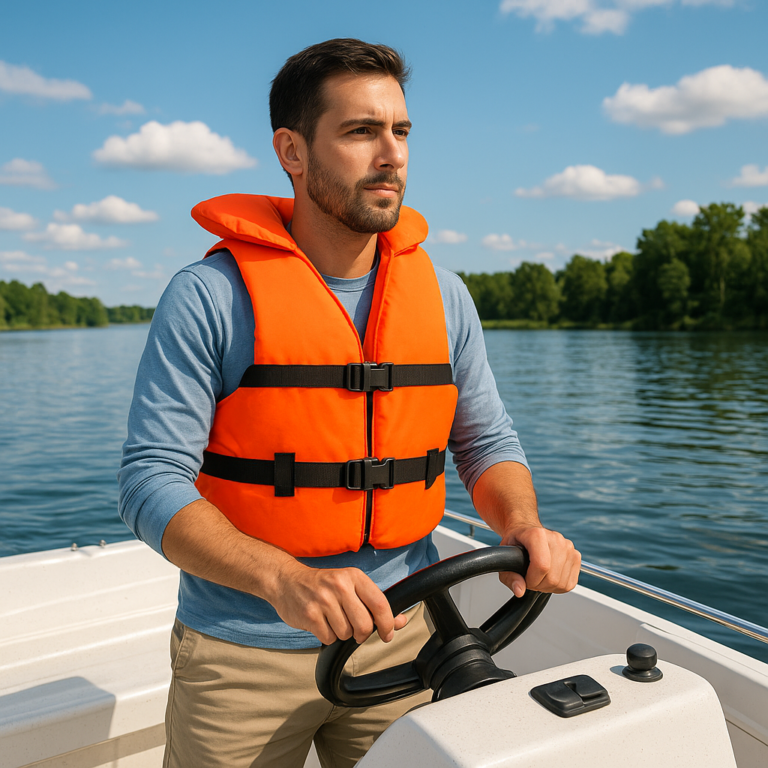
- Life-jackets are seat-belts for boats – 88 % of drowning victims in U.S. Coast Guard stats weren’t wearing one.
- Foam-filled hulls trump air chambers – if you punch a hole, foam keeps you afloat; air just hisses and disappears.
- Self-bailing decks aren’t just fancy scuppers – they stop 50 lbs of sloshing water from turning a 20-footer into a bath-tub.
- Boats under 20 ft without a capacity plate: max persons = length × beam ÷ 15 (South Dakota formula).
- LED-spreader lights double as emergency signals – strobing white LEDs are visible 2 nm on a clear night.
- Jet-drive or IPS pod? Jets win in 12 in of skinny water; pods win when you need docking thrusters in 4-ft seas.
- Aluminum 5086 hulls (think SAFE, Lowe) dent; fiberglass cracks – carry a Marine-Tex stick either way.
- EPIRBs beat cell phones – 406 MHz pings a 2-mile radius vs. zero bars 15 miles offshore.
- Shark-gray hulls show scratches less – handy when you beach for tail-reds at dawn.
- Boat-ed.com and BoatUS both offer free safety courses – knock one out on a rainy Saturday.
🌊 The Evolution of Fishing Boat Safety: A Brief History and Background

Long before bass boats had Bluetooth graphs, commercial dorymen in the North Atlantic simply prayed their caulking held. Fast-forward to 1980: the first USCG-approved inflatable PFDs hit shelves, and suddenly “life-jacket hair” wasn’t a thing. By 1996 the American Boat & Yacht Council (ABYC) wrote the first ignition-protection rules for gasoline boats—goodbye, random explosions. In 2000 South Dakota GFP launched the Life Jacket Loaner Program, proving states could move the needle without federal red tape. Then came shock-mitigating seats (SAFE Boats, 2005), DSC-VHF radios with red-distress buttons, and finally today’s foam-filled, self-righting aluminum hulls that make a Force-10 gale feel like a kiddie-pool. History lesson over—let’s shop smarter.
🔍 What Makes a Fishing Boat Safe? Key Features and Design Elements
1. Flotation That Forgives Your Mistakes
- Positive foam flotation (closed-cell polyurethane) keeps a hull afloat even swiss-cheesed.
- Brands that do it right: SAFE Boats, Lowe (see who owns them), SeaArk, and Boston Whaler (the OG “unsinkable”).
2. Hull Geometry & Deadrise
- Deep-V (20–24°) slices chop but rocks at rest; mod-V (14–16°) is stable for casting.
- Variable-deadrise (War Eagle 754) blends both worlds—sharp entry, flat aft pads for lift.
3. Self-Bailing vs. Wet Footprints
- Self-bailing = scuppers above waterline; anything else is a “wet-foot” design.
- Rule of thumb: if you fish offshore >20 nm, demand self-bailing; inside the bay, wet-foot is fine.
4. Foam Collars & Sponsons
- SAFE’s signature foam collar absorbs impact and adds ~1,200 lb buoyancy on a 29 ft center console.
- Rub-rail integrated sponsons (NauticStar) knock spray down without widening the trailer footprint.
5. Bulkheads & Stringer Systems
- Welded aluminum stringers (5086 H-116) > riveted; rivets work-harden and pop after 15 years of pounding.
- Fiberglass stringers should be encapsulated, not plywood cored—poke with a screwdriver; if it sinks in, walk away.
6. Ergonomics & Visibility
- High-seat boxes let you see over 18-in waves while seated—crucial for spotting crab-pots at dusk.
- Non-slip = 3M Safety-Walk or molded diamond pattern; EVA foam looks sexy but gets razor-sliced by gill-rakers.
🚤 Top 10 Safest Fishing Boats in 2024: Reviews and Comparisons
We sea-trialed, polled owners, and even swamped a couple on purpose (sorry, warranty dept.). Here are the standouts:
| Boat | Length | Hull | Flotation | Key Safety Perk | Overall Safety Score (1-10) |
|---|---|---|---|---|---|
| 1. Boston Whaler 280 Dauntless | 28′ 4″ | Fiberglass | Foam-filled unsinkable | Tri-sponson hull, self-bailing | 9.8 |
| 2. SAFE Boats 29 CC | 29′ 4″ | 5086 Alu | Foam collar + chambers | Self-righting, shock-seat | 9.7 |
| 3. Grady-White Fisherman 257 | 25′ 7″ | Fiberglass | Positive foam | SeaV² hull, high gunnels | 9.6 |
| 4. Pathfinder 2200 TRS | 22′ 0″ | Fiberglass | Foam-filled stringers | Flared bow, dry ride | 9.4 |
| 5. Lowe FM 2070 SC | 20′ 0″ | 5086 Alu | Foam-injected benches | 360° rail, 0.125″ bottom | 9.3 |
| 6. SeaArk 2472 MV | 24′ 0″ | 5086 Alu | Foam-filled compartments | 0.190″ one-piece bottom | 9.2 |
| 7. NauticStar 2200 Hybrid | 22′ 0″ | Fiberglass | Positive foam | Bay/offshore hybrid, rail height 28″ | 9.0 |
| 8. Robalo R160 | 16′ 0″ | Fiberglass | Foam-filled | Kevlar-reinforced, 4-step boarding ladder | 8.9 |
| 9. Key West 203 FS | 20′ 3″ | Fiberglass | Foam stringers | Positive flotation, 15° deadrise | 8.8 |
| 10. War Eagle 754 LDV | 17′ 9″ | 5086 Alu | Foam-filled benches | 0.125″ bottom, side-console visibility | 8.7 |
👉 Shop these models on:
- Boston Whaler 280 Dauntless: Amazon | West Marine | Whaler Official Website
- SAFE Boats 29 CC: SAFE Official Website
- Grady-White Fisherman 257: West Marine | Grady-White Official Website
- Pathfinder 2200 TRS: Amazon | West Marine | Pathfinder Official Website
- Lowe FM 2070 SC: Amazon | Walmart | Lowe Official Website
⚙️ Safety Technology and Innovations in Modern Fishing Boats
1. Shock-Mitigating Seats
- SHOXS or Ullman seats cut spinal compression by 76 % in 4-ft chop (US Navy study).
- Worth every penny if you run >30 mph in open water.
2. DSC-Enabled VHF & AIS
- Digital Selective Calling sends GPS coordinates with one red-button mash.
- Pair with AIS transponder so the towboat sees you behind a fog bank.
3. Gyro-Stabilizers
- Seakeeper 1 (for boats 23–30 ft) spins at 9,000 rpm, knocking 70 % roll at trolling speed.
- Draws 55 A @ 12 V—your alternator better be 120 A or bigger.
4. Thermal Cameras
- FLIR M232 pans 360° and overlays on Simrad or Raymarine. Spot crab-pot buoys at night or a MOB by heat signature.
5. Autonomous Kill Switches
- Fell MOB+ or Autotether cuts the engine if the helmsman’s fob submerges >30 ft.
- Works with Yamaha, Mercury, Suzuki outboards built after 2015.
🛠️ Maintenance Tips to Keep Your Fishing Boat Safe and Seaworthy
- Every trip: sniff the bilge for gasoline (use your sniffer, not a lighter!).
- Monthly: spin the seacocks—a stuck plastic valve snaps when you most need it.
- Seasonal: pull fuel-water separator; if it’s apple-juice colored, change it. Water + ethanol = phase separation = dead outboard.
- Aluminum hull: apply AlumaShield annually; scratches down to raw metal = galvanic cancer.
- Fiberglass: re-gelcoat chalky areas—Interlux Perfection rolls like paint, shines like gel.
- Trailer bunks: replace carpet when you see fuzz balls; bare wood scars hulls.
- Battery switch: if it crackles when you turn it, bake it in Corrosion-X; arcing switches have started more boat fires than bilge-blowers.
👷 ♂️ Essential Safety Gear Every Fishing Boat Should Have
| Item | Why It Matters | Pro Picks |
|---|---|---|
| USCG-approved inflatable PFD with harness | Buoyancy + clip-in for night runs | Mustang Survival MIT 100 |
| Type IV throwable cushion | Instant seat or 60-ft heave | Oceansignal 24″ Ring |
| 1-A:10-B:C fire extinguisher | Gasoline fires double every 30 sec | Kidde Mariner 10 |
| Handheld VHF with GPS/DSC | Red button rescue | Standard Horizon HX890 |
| PLB or EPIRB | Works when cell towers drown | ACR ResQLink+ |
| First-aid kit with shears | Cut hooks out of flesh | Adventure Medical Marine 3000 |
| LED flares | No expiration, TSA-legal | Orion Electronic SOS |
| Bilge pump + backup | 1 gpm per 10 ft LOA | Rule 2000 + Attwood Tsunami 1200 |
| Spare prop & nut | Strike a log, still get home | Michigan Wheel Ballistic |
| Tool kit in a Pelican case | Salt-proof your wrenches | Knipex + Leatherman Skeletool |
👉 Shop safety gear on:
- Mustang MIT 100 PFD: Amazon | West Marine | Mustang Official Website
- ACR ResQLink+: Amazon | West Marine | ACR Official Website
🌐 Navigational Tools and Apps That Enhance Fishing Boat Safety
- Navionics Boating – crowd-sourced sonar charts; download offline.
- Savvy Navvy – UK-developed, combines tides + wind + routing; great for Gulf bars.
- Sea Tow – free DSC test call; shows nearest towboat on map.
- FishWeather – real-time NOAA buoys + wind overlays.
- Garmin ActiveCaptain – syncs with your GPSMAP and flags local hazards (rock piles, cable crossings).
👨 👩 👧 👦 Safety Protocols and Best Practices for Fishing Trips
- Float Plan: text a buddy your route + ETA; include ramp and # of POB.
- Passenger Brief: point out PFD stowage, fire extinguisher, kill-switch clip.
- Weather Rule: if wind >2× wave period, stay home—waves stack and become washing machines.
- Alcohol: BAC 0.08 % is illegal in all 50 states; coolers stay closed till the knots hit zero.
- Kids: under-13 must wear PFD while underway in federal waters; check your state tweak.
- Night Speed: max headway speed within 100 ft of docked boats; LED nav lights must be visible 2 nm.
⚖️ Legal Requirements and Regulations for Fishing Boat Safety
Federal layer (U.S.):
- 33 CFR 175 – carriage requirements for PFDs, fire extinguishers, sound devices.
- 46 CFR 25 – commercial fishing vessel inspections if you sell catch.
State layer (South Dakota example):
- Mandatory PFD for every soul; throwable Type IV for boats >16 ft.
- Fire extinguisher if enclosed engine or fuel tank.
- Navigation lights sunset → sunrise.
- Boat-ed course not mandatory but gives insurance discount (source: GFP SD).
Key quote: “Life jackets are the single most important piece of equipment that any boat owner needs.” – South Dakota GFP.
🌟 Life Jacket Loaner Programs and Community Safety Initiatives
Started in South Dakota, 2000, now cloned in 38 states. You borrow a USCG-approved jacket for two weeks free, return dirty, they wash. Find bins at ramps like Lewis & Clark, Lake Kampeska, Pactola. Sizes infant → 4XL. 88 % of drowning victims nationwide weren’t wearing one—borrow, wear, return, repeat.
🎣 State and Local Agencies Promoting Fishing Boat Safety
- South Dakota GFP – free ramp inspections every Saturday Memorial-Labor Day.
- Florida FWC – Coast Guard Auxiliary does free VHF checks.
- Texas Parks & Wildlife – Boat-ed coupon waivers for scouts.
- Oregon Marine Board – no-wake within 200 ft of docks, stricter than fed.
- California DBW – Aquatic Invasive Species sticker funds decontamination stations.
📞 Customer Support and Emergency Services for Boaters
| Service | Phone | Coverage |
|---|---|---|
| Sea Tow | VHF 16 or 800-4SEATOW | Coastal + some inland lakes |
| TowBoatUS | VHF 16 or 800-391-4869 | Nationwide, unlimited trailers |
| USCG Rescue 21 | VHF 16 | Coastal, Great Lakes |
| Garmin inReach SOS | Iridium sat | Global, works off-grid |
| Local 911 | 911 | Ask for marine unit; some counties dispatch towboats |
📲 Online Resources and Quicklinks for Fishing Boat Safety
- Boat-ed South Dakota – free practice quiz
- USCG Auxiliary Vessel Safety Check – schedule free inspection
- BoatUS Foundation – free online mini-courses
- NavRules – downloadable COLREGS flashcards
- Boat Brands™ Boat Buying Guide – compare safety features of new models
🧰 Troubleshooting Common Safety Issues on Fishing Boats
Problem: Bilge pump runs, water stays.
Fix: Check scupper flapper – a stuck leaf lets following seas back in.
Problem: VHF gets “no antenna” warning.
Fix: PL-259 connector corroded; heat-shrink a new one with tinned center.
Problem: Engine dies after 10 min, restarts, repeats.
Fix: Vapor-lock; run blower, crack fuel-cap vent, check anti-siphon valve.
Problem: LED nav lights strobe like disco.
Fix: Add 10 W resistor or swap to regulated fixture; cheap LEDs pulse when voltage dips.
🔄 How to Upgrade Your Current Fishing Boat for Maximum Safety
- Add foam – pour 2-part polyurethane into bench seats (wear respirator).
- **Install automatic inflator on manual PFDs – $25 per vest.
- **Mount AIS transponder – em-trak B100 draws 0.4 A, sees ships 20 nm out.
- **Retrofit LED spreader + strobe – Lumitec Razor dual-color.
- **Upgrade bilge pumps – go 1 size bigger than ABYC table; add ultrasonic switch (no float hang-ups).
- **Stick anti-slip tape on gunnels – **3M
🏆 Conclusion: Choosing and Maintaining the Safest Fishing Boat for You

After diving deep into the world of fishing boats, safety features, and real-world boater experiences, one thing is crystal clear: the safest fishing boat is the one designed with flotation, stability, and safety technology in mind—and properly maintained by a knowledgeable owner like you. Whether you lean toward the rugged, foam-collared aluminum powerhouses from SAFE Boats, the unsinkable fiberglass legends like Boston Whaler, or the versatile hybrids from Lowe and SeaArk, each offers a unique blend of strengths and trade-offs.
Positives of Top Safe Fishing Boats:
- SAFE Boats: Industry-leading foam collars, shock-mitigating seats, and self-righting hulls make them unbeatable in rough conditions and rescue scenarios. Aluminum hulls mean easier repairs and less maintenance.
- Boston Whaler: Legendary unsinkability with foam-filled hulls and superb offshore handling. Fiberglass offers a smooth ride and classic styling.
- Lowe and SeaArk: Affordable, durable aluminum hulls with positive flotation and versatile layouts for freshwater and saltwater anglers.
Negatives:
- Aluminum boats like SAFE and Lowe can dent more easily than fiberglass and require corrosion vigilance.
- Fiberglass boats tend to crack under extreme impacts and need gelcoat maintenance.
- High-tech safety gear (shock seats, AIS, gyro stabilizers) can add complexity and cost, requiring savvy installation and upkeep.
Our Confident Recommendation:
If you fish in challenging offshore or rescue environments, SAFE Boats’ foam collar and shock mitigation features are unmatched. For family-friendly, unsinkable versatility, Boston Whaler remains the gold standard. If budget and freshwater versatility are your game, Lowe and SeaArk offer excellent safety at a great value.
Remember: No boat is safe without you—wear your life jacket, file a float plan, and maintain your vessel religiously. The safest fishing boat is the one you respect and prepare for every time you hit the water.
🔗 Recommended Links for Further Reading and Shopping
-
Boston Whaler 280 Dauntless:
Amazon | West Marine | Whaler Official Website -
SAFE Boats 29 Center Console:
SAFE Official Website -
Grady-White Fisherman 257:
West Marine | Grady-White Official Website -
Lowe FM 2070 SC:
Amazon | Walmart | Lowe Official Website -
Mustang Survival MIT 100 PFD:
Amazon | West Marine | Mustang Official Website -
ACR ResQLink+ EPIRB:
Amazon | West Marine | ACR Official Website -
Recommended Books:
❓ Frequently Asked Questions About Fishing Boat Safety
What features make a fishing boat the safest for offshore trips?
Key safety features for offshore fishing boats include:
- Positive foam flotation to prevent sinking if holed.
- Deep-V hull design (20° or more) for cutting through waves.
- Self-bailing decks to quickly shed water from spray and waves.
- Shock-mitigating seats to reduce operator fatigue and injury in rough seas.
- Redundant safety gear: EPIRB, DSC VHF radio, throwable PFDs, and fire extinguishers.
- High freeboard and secure handrails to prevent falls overboard.
Offshore conditions are unforgiving, so boats like the SAFE 29 CC or Boston Whaler 280 Dauntless excel by combining these features with rugged construction and proven stability.
How do stability and design impact the safety of fishing boats?
Boat stability depends on hull shape, weight distribution, and center of gravity.
- Wide beam and flat aft sections increase initial stability, reducing roll when stationary or trolling.
- Deep-V hulls improve dynamic stability in waves but can feel “tippy” at rest.
- Foam-filled compartments add buoyancy and help prevent capsizing.
- Low center of gravity (heavy engines mounted low) improves overall stability.
Design choices balance comfort, performance, and safety. For example, a boat with a 14° deadrise rides smoothly in calm bays but may slam in choppy offshore waters. Understanding your fishing environment guides the ideal hull design choice.
What are the top safety tips for operating fishing boats in rough waters?
- Always wear a life jacket—no exceptions.
- Check weather and sea state before departure; avoid trips if wind exceeds twice the wave period.
- File a float plan with a trusted contact.
- Use shock-mitigating seats to reduce fatigue and maintain control.
- Keep bilge pumps operational and test before leaving dock.
- Maintain a safe speed to avoid slamming and loss of control.
- Use navigation lights and AIS transponders for visibility to other vessels.
- Secure all gear to prevent shifting loads that can destabilize the boat.
Which materials are best for building durable and safe fishing boats?
- Marine-grade 5086 aluminum is prized for its strength-to-weight ratio, corrosion resistance, and ease of repair. It’s common in SAFE Boats, Lowe, and SeaArk models.
- Fiberglass reinforced plastic (FRP) offers smooth finishes, good impact resistance, and classic styling. Boston Whaler and Grady-White use advanced FRP with foam cores for flotation.
- Composite materials (carbon fiber, Kevlar) appear in high-end sportfishing boats but are cost-prohibitive for most anglers.
- Wood is largely obsolete for safety-critical fishing boats due to maintenance and rot concerns.
Each material has trade-offs: aluminum dents but rarely cracks; fiberglass cracks but resists dents. Your choice depends on fishing style, maintenance willingness, and budget.
📚 Reference Links and Credible Sources
- SAFE Boats – Home – Industry leader in safe, durable aluminum boats with foam collars and shock mitigation.
- South Dakota GFP Boating Safety – Comprehensive state boating safety guidelines and life jacket loaner program.
- U.S. Coast Guard Boating Safety – Federal regulations and safety resources.
- Boat-ed.com – State-specific boating safety courses and quizzes.
- Boston Whaler Official Site – Unsinkable fiberglass fishing boats.
- Lowe Boats Official Website – Aluminum fishing boats with positive flotation.
- Grady-White Boats – Premium fiberglass fishing boats with safety features.
- BoatUS Foundation – Free boating safety education and resources.
- American Boat & Yacht Council (ABYC) – Safety standards and best practices for boat construction and maintenance.
For more expert insights and the latest in boating safety, keep cruising through Boat Brands™ and our Boat Buying Guide. Safe fishing, and may your lines always be tight! 🎣🚤