Support our educational content for free when you purchase through links on our site. Learn more
🚨 The #1 Cause of Boating Accidents (2026) Revealed!

You’ve probably heard the rumors: it’s rogue waves, rogue propellers, or maybe even a sudden, unexplained engine failure. But what if we told you the real culprit isn’t a mechanical monster or a force of nature, but something far more human, far more common, and entirely preventable? At Boat Brands™, we’ve spent countless hours analyzing the latest data from the Florida Fish and Wildlife Conservation Commission (FWC) and the U.S. Coast Guard, and the results might just change how you captain your vessel forever.
The truth is, while we often fear the dramatic disasters, the statistics point to a quiet, creeping danger that accounts for nearly half of all reported accidents. It’s a combination of improper lookout and operator inexperience that catches even seasoned sailors off guard. Imagine a beautiful, sunny afternoon on the water, the kind where you let your guard down because “you know these waters like the back of your hand.” Suddenly, a collision occurs, not because of a storm, but because someone wasn’t paying attention or didn’t know the “rules of the road.” In this deep dive, we’ll unravel the specific data points, share real-life anecdotes from our own fleet, and reveal the exact steps you can take to ensure you never become a statistic.
Key Takeaways
- The #1 Cause: The leading cause of boating accidents is human error, specifically a combination of improper lookout and operator inexperience, accounting for 43% of all reported incidents.
- Alcohol is a Major Factor: Approximately one-third of all boating fatalities involve alcohol, significantly impairing judgment and reaction times on the water.
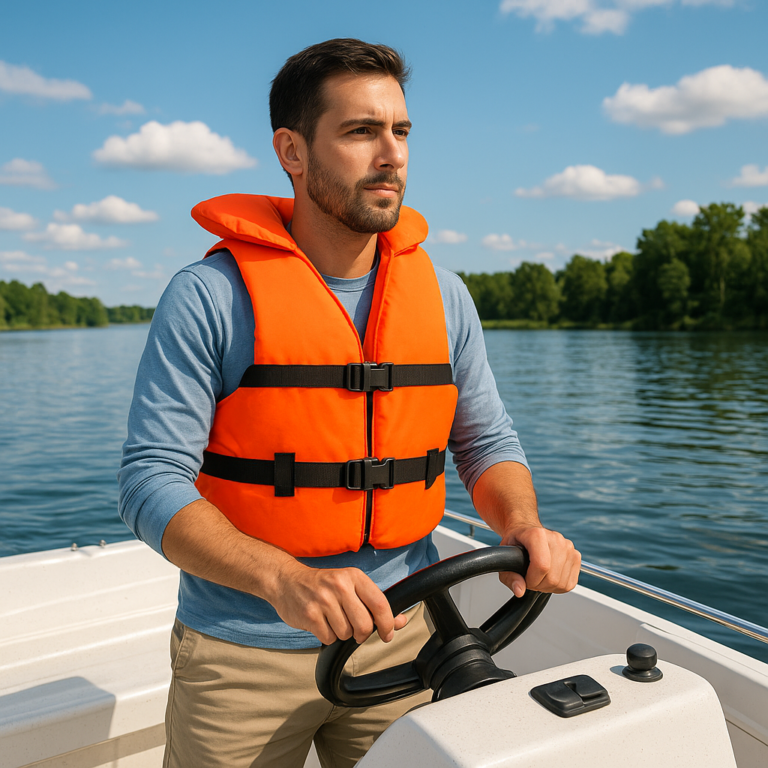
- Life Jackets are Non-Negotiable: A staggering 81% of drowning victims in recent Florida accidents were not wearing a life jacket, making proper PFD usage the single most effective safety measure.
- Education Saves Lives: Over half of operators involved in reportable accidents lacked formal boating safety education, highlighting the critical need for certified training.
- Preparation is Key: A proactive approach involving a 360-degree lookout, strict adherence to the “Rules of the Road,” and thorough pre-departure checks can prevent the vast majority of accidents.
Table of Contents
- ⚡️ Quick Tips and Facts
- 📜 A Brief History of Boating Safety: How We Got Here
- 🚨 The #1 Cause of Boating Accidents: It’s Not What You Think
- 🧠 Understanding Human Error: The Silent Killer on the Water
- 🍺 The Dangerous Mix: Alcohol and Boating Statistics
- 👀 The Critical Role of Lookouts and Situational Awareness
- 🌊 Weather Woes: How Sudden Storms Trigger Collisions
- 🚤 Collision Avoidance: Rules of the Road Every Captain Must Know
- 🛠️ Common Mechanical Failures That Lead to Disasters
- 📊 Analyzing the Data: FWC and USCG Accident Reports Explained
- ✅ 7 Essential Safety Habits to Prevent the #1 Accident Cause
- 🎓 Boater Education: Why Certification Saves Lives
- 🆘 What to Do If You Witness a Boating Accident
- 🏁 Conclusion
- 🔗 Recommended Links
- ❓ FAQ: Your Burning Questions About Boating Accidents Answered
- 📚 Reference Links
⚡️ Quick Tips and Facts
Hey there, fellow boaters! At Boat Brands™, we live and breathe everything on the water, and our mission is to keep you safe while you’re out there enjoying the waves
. When we dive into the nitty-gritty of boating safety, some facts jump out faster than a rogue wake. Did you know that understanding boating accident statistics is key to preventing them? It
‘s true! We’ve seen firsthand how a little knowledge can go a long way in keeping your voyage smooth and safe. For more in-depth analysis, check out our comprehensive article on Boat Statistics.
Here are some quick takeaways to get your maritime mind buzzing:
- The #1 cause of boating accidents isn’t what most people guess. It’s often something far more subtle than a
massive storm or a catastrophic engine failure. (We’ll reveal the big one soon, so keep reading!) - Life jackets are non-negotiable. Seriously, 81% of drowning victims in Florida’s 20
22 accidents weren’t wearing one. This isn’t just a recommendation; it’s a lifesaver. - Operator inexperience and improper lookout account for a staggering
43% of reported accidents. That’s almost half! So, keen eyes and a steady hand are paramount. - Alcohol is a major player in fatalities. Approximately one-third of all
boating fatalities involve alcohol. Don’t mix the two, folks. - Florida, “The Boating Capital of the World,” leads the nation with over 1 million registered vessels.
With that many boats, safety becomes even more critical!
📜 A Brief History of Boating Safety: How

We Got Here
It might seem like boating safety is a modern concern, but believe us, folks have been trying to stay afloat and avoid mishaps for as long as boats have existed! From ancient mariners navigating by stars to early commercial shipping
regulations, the evolution of boating safety has been a fascinating journey.
In the United States, significant strides in recreational boating safety really began in the early 20th century. Before that, it was a bit of the Wild West on
the water, with few standardized rules or equipment requirements. The establishment of the U.S. Coast Guard (USCG) in 1915, and its subsequent role in recreational boating safety, marked a turning point. They started collecting
data, investigating accidents, and, crucially, developing educational programs.
Over the decades, as recreational boating exploded in popularity, so did the need for more comprehensive safety measures. Laws requiring basic safety equipment like life jackets and fire extinguishers became commonplace
. The emphasis shifted from just reacting to accidents to actively preventing them through education and awareness. Today, organizations like the Florida Fish and Wildlife Conservation Commission (FWC) and the USCG tirelessly compile data, analyze trends, and advocate for bo
ater education, helping us all understand the risks and enjoy our time on the water more safely. It’s a continuous journey, but one that has undoubtedly saved countless lives and made our waterways more enjoyable for everyone.
🚨 The #1 Cause of Boating Accidents: It’s Not What You Think
Alright, drumroll please!
What do you think is the single biggest culprit behind boating accidents? Is it rogue waves? Mechanical failures? Perhaps a giant sea monster (just kidding, mostly)?
Many boaters, especially newcomers, might point to dramatic events like severe weather or engine
explosions. And while those certainly happen and can be devastating, the data tells a different story. Our friends at the FWC, who track every splash and mishap in the nation’s boating capital, have revealed the truth.
The **
number one cause of boating accidents** is a combination of improper lookout/attention and operator inexperience. Yes, you read that right! These two factors alone were responsible for a whopping 43%
of all reported boating accidents in Florida in 2022. It’s not the sea monster; it’s the human element!
We’ve seen it time and again: a beautiful
day, calm waters, and suddenly, a collision. Why? Because someone wasn’t paying attention, or they simply didn’t know the “rules of the road” as well as they should have. It’s a stark reminder that while
technology has advanced, the human factor remains the most critical variable in boating safety. It’s about being present, being aware, and being prepared.
🧠 Understanding Human Error: The Silent Killer on the Water
So, the big reveal: human error is the silent, yet deadliest, killer on the water. It’s not always about reckless
behavior; sometimes, it’s simply a momentary lapse, a lack of knowledge, or overconfidence. As seasoned boaters at Boat Brands™, we’ve learned that even the most experienced captains can fall prey to these pitfalls if they’
re not vigilant.
The Perils of Inattention
“Improper lookout” isn’t just about looking forward. It’s about maintaining 360-degree awareness at all times. Think of it like driving a car, but with even more variables: changing currents, other vessels of all sizes, swimmers, kayakers, debris, and shifting weather patterns.
- Distractions: Just like in a car, cell phones
, conversations, loud music, or even just getting lost in the beauty of the scenery can pull your attention away from critical tasks. We once had a team member nearly miss a channel marker because he was too engrossed in a particularly exciting podcast
! Lesson learned. - Complacency: On familiar waters, it’s easy to let your guard down. “I know this area like the back of my hand,” is a phrase we’ve heard before an unexpected encounter
with a submerged object or another boat. - Fatigue: Long days on the water, especially in the sun and wind, can be exhausting. Drowsiness impairs judgment and reaction time, making you a less effective operator.
The
Trap of Inexperience
“Operator inexperience” isn’t just for first-timers. The FWC defines it as “limited time or experience with the specific vessel, the operating area, or weather conditions.” This means even a seasoned boater on a new boat, in unfamiliar waters, or facing unexpected weather, can be considered “inexperienced” for that particular situation.
- Lack of Training: Many boaters,
unfortunately, jump behind the helm without formal education. While some states require a boating safety course, many don’t for all operators. This leaves critical gaps in understanding navigation rules, emergency procedures, and vessel handling. - Un
familiarity with Vessel: Each boat handles differently. A pontoon boat operates vastly differently from a high-performance center console. Not understanding your vessel’s unique characteristics – its turning radius, stopping distance, or how it reacts to wind and current
– is a recipe for disaster. - Ignoring Conditions: Thinking you can handle rough seas or navigate a tricky inlet just because you’ve seen others do it is a dangerous mindset. Respect the water, and know your limits.
**
Our Takeaway:** Human error is preventable. It requires a conscious effort to stay alert, continuously learn, and respect the power of the water and your vessel.
🍺 The Dangerous Mix: Alcohol and Boating Statistics
Let’s talk about a party pooper, or rather, a party starter that often leads to disaster: alcohol. We’ve all seen
it – the coolers packed, the music blasting, the good times rolling. And while we’re all for enjoying your time on the water, there’s a critical line that should never be crossed.
The statistics are sobering, pun
intended. Alcohol is a factor in approximately one-third of all boating fatalities. That’s a huge chunk of preventable tragedies. It’s not just about being “drunk”; even a small amount of alcohol can
impair judgment, slow reaction times, and diminish your ability to operate a vessel safely.
Why Alcohol is Especially Dangerous on the Water
Operating a boat under the influence (BUI) is just as serious, and arguably more dangerous, than driving a
car under the influence. Here’s why:
- “Boater’s Fatigue” Amplification: The sun, wind, waves, and engine vibration all contribute to a phenomenon known as “boater’s fatigue.”
Alcohol significantly amplifies these effects, making you feel more impaired than you would on land with the same amount of alcohol. - Impaired Judgment: Deciding on speed, course, or how to react to an unexpected situation requires
quick, clear thinking. Alcohol clouds that judgment. - Reduced Coordination: Maneuvering a boat, especially in tight quarters or during an emergency, demands fine motor skills and coordination. Alcohol degrades these abilities.
- Increased Risk of
Drowning: If you fall overboard while intoxicated, your chances of survival plummet. Alcohol impairs your ability to swim, reduces your body’s ability to regulate temperature (increasing hypothermia risk), and can cause disorientation.
Our St
ance: At Boat Brands™, we have a zero-tolerance policy for operating a vessel under the influence. Designate a sober captain, or save the celebratory drinks for when you’re safely docked. Your life, and the lives of your
passengers and other boaters, depend on it.
👀 The Critical Role of Lookouts and Situational Awareness
Remember
how “improper lookout/attention” is a leading cause of accidents? This isn’t just a fancy term; it’s a fundamental principle of safe boating. Think of it as your personal radar, constantly scanning and
processing information to keep you and your crew out of harm’s way.
What Does a Proper Lookout Entail?
A proper lookout means more than just occasionally glancing around. It’s an active, continuous process that involves all
your senses.
- Visual Scan (360 Degrees!): Your eyes should be constantly moving, scanning the horizon, checking your blind spots, and observing everything around your vessel. This includes other boats (powerboats, sailboats, kayaks, paddleboards), swimmers, divers (look for dive flags!), navigation aids, debris, and changes in water color or surface that might indicate shallow areas or submerged hazards. The FWC emphasizes 360-degree awareness for a reason!
- Auditory Awareness: Listen for engine noises from other vessels, foghorns, distress signals, or even unusual sounds from your own boat.
- Tactile and Olfactory Cues: Feel for
changes in wind direction or strength, and smell for fuel leaks or burning odors. - Utilize Your Crew: Don’t be a lone wolf! If you have passengers, brief them on the importance of being an extra set
of eyes. Assign them specific areas to watch, especially in congested waters or when maneuvering. Even a child can spot a floating log you might have missed. - Technology as an Aid, Not a Replacement: GPS, radar, and
AIS (Automatic Identification System) are incredible tools, but they are aids to navigation, not substitutes for human vigilance. A radar screen won’t spot a swimmer, and GPS won’t tell you about a sudden gust of wind.
The Art of Situational Awareness
Situational awareness is the ability to understand what’s happening around you, what might happen next, and how your actions will affect the situation. It’s about anticipating, not just reacting.
Know Your Environment:** Understand the local currents, tides, weather patterns, and common traffic routes. Are you in a busy channel? Near a popular swimming beach? Is a storm front approaching?
- Understand Other Vessels: Try to anticipate the movements
of other boats. Are they on a collision course? Are they fishing or towing? What are their intentions? The “Rules of the Road” (COLREGs) are your bible here. - Monitor Weather: Always check the marine
forecast before you leave, and keep an eye on the sky and water conditions while you’re out. Weather can change rapidly, especially in coastal areas. - Plan Ahead: Have a route plan, know your destination, and have contingency
plans for unexpected events.
Personal Anecdote: One time, we were cruising along, enjoying a beautiful afternoon, when a small dinghy, almost invisible against the glare of the sun, suddenly veered directly into our path.
Thanks to a sharp-eyed crew member who was actively scanning, we were able to react quickly and avoid a collision. It was a stark reminder that danger can come from anywhere, at any time.
🌊 Weather Woes: How Sudden Storms Trigger Collisions
While human error might be the #1 cause, Mother Nature can certainly throw a wrench in the works
, often exacerbating human mistakes. We’ve all seen those beautiful, calm mornings turn into a sudden squall that makes you wonder if Poseidon himself is having a bad day.
The Unpredictable Nature of Marine Weather
Unlike
land-based weather, marine conditions can change with astonishing speed and intensity. A clear sky can give way to heavy rain, strong winds, and choppy seas in a matter of minutes. These sudden shifts can quickly turn a pleasant outing into a perilous
situation, especially for unprepared boaters.
- Reduced Visibility: Heavy rain, fog, or even sea spray can drastically reduce visibility, making it incredibly difficult to spot other vessels, navigation aids, or hazards. This directly impacts your
ability to maintain a proper lookout. - Rough Seas: Strong winds create large waves that can make steering difficult, cause passengers to become seasick, and even lead to capsizing or falls overboard. Imagine trying to avoid a collision when your
boat is being tossed around like a toy! - Lightning: Thunderstorms bring the very real danger of lightning strikes, which can damage electronics, injure occupants, or even start fires.
- Sudden Wind Shifts: Unexpected
gusts can push a boat off course, making it harder to maintain control and increasing the risk of collision or running aground.
How Weather Contributes to Accidents
When weather deteriorates, it amplifies the risks associated with human error
:
- Panic and Poor Decisions: Inexperienced operators, or even experienced ones caught off guard, might panic, make rash decisions, or forget basic navigation rules when faced with rapidly worsening conditions.
- Loss of Control: High
winds and waves can make it impossible to maintain a steady course or speed, leading to collisions with other vessels, docks, or shorelines. - Equipment Failure: While not always the primary cause, severe weather can stress a boat’s systems
, leading to mechanical failures that leave you stranded in dangerous conditions.
Our Advice: Always, and we mean always, check the marine weather forecast before you leave the dock. Use multiple sources – NOAA Weather Radio, marine weather apps, and
even local TV forecasts. While on the water, keep an eye on the sky and listen for weather alerts. If conditions start to look dicey, head for safe harbor. It’s always better to be safe than sorry, and no
fish is worth risking your life over.
🚤 Collision Avoidance: Rules of the Road Every Captain Must Know
If you’ve ever driven a car, you understand the concept of traffic laws. Well, the waterways have their own version, and they’re arguably even more critical because there are no lanes, no traffic lights, and often, no clear
“right of way” unless you know the rules! These are the International Regulations for Preventing Collisions at Sea (COLREGs), often simply called the “Rules of the Road.” Mastering these is fundamental to preventing collisions, which
, as the Boat-Ed summary points out, are often caused by operators failing to stay alert or keep a proper lookout.
The Golden Rules of Collision Avoidance
We can’t stress this enough: know
these rules like the back of your hand.
- Maintain a Proper Lookout (Rule 5): This is paramount. As we discussed, it means constant vigilance, using all available means (sight, hearing, radar, AIS) to
assess the situation and the risk of collision. - Safe Speed (Rule 6): You must always proceed at a safe speed, allowing you to take proper and effective action to avoid collision and to stop within a distance
appropriate to the prevailing circumstances and conditions. This isn’t just about the speed limit; it’s about visibility, traffic density, maneuverability of your vessel, and depth of water. The Boat-Ed summary notes that collisions frequently result from operators traveling
faster than conditions allow. - Risk of Collision (Rule 7): Use all available means to determine if a risk of collision exists. If in doubt, assume a risk exists! This
often involves taking compass bearings of an approaching vessel – if the bearing doesn’t change significantly, a risk of collision exists. - Action to Avoid Collision (Rule 8): If a risk of collision exists, take
positive action in ample time. This means making a clear, noticeable change in course and/or speed. Small, hesitant changes are dangerous. - Stand-on vs. Give-way Vessel (Rules 12-18): This is where it gets interesting!
- Power-driven vessels meeting head-on: Both vessels should alter course to starboard (right) to pass port-to-port (left side to left side).
Power-driven vessels crossing: The vessel that has the other on its starboard (right) side is the give-way vessel and must take early and substantial action to keep clear. The other is the stand-on vessel and must maintain its course and
speed.
- Overtaking: The vessel being overtaken is the stand-on vessel, and the overtaking vessel is the give-way vessel. The overtaking vessel must keep clear.
- Hierarchy: Generally
, less maneuverable vessels have the right of way. This means a power-driven vessel usually gives way to a sailboat, which gives way to a vessel engaged in fishing, which gives way to a vessel not under command or restricted in its
ability to maneuver. - Sailboats: When two sailboats are approaching each other, the one on the port (left) tack gives way to the one on the starboard (right) tack. If both are on the same
tack, the leeward (downwind) boat is the stand-on vessel.
Table: Basic Right-of-Way Scenarios (Power-Driven Vessels)
| Scenario | Give-Way Vessel (Action)
| Stand-On Vessel (Action) |
| :————————— | :———————————————————- | :——————————————————- |
| Meeting Head-On | Both alter course to starboard (right) to pass port
-to-port | Both alter course to starboard (right) to pass port-to-port |
| Crossing (You on their left) | You are the stand-on; maintain course/speed | You are the give-
way; alter course/speed to avoid collision |
| Crossing (You on their right)| You are the give-way; alter course/speed to avoid collision | You are the stand-on; maintain course/speed
|
| Overtaking | Overtaking vessel (you) keeps clear | Overtaken vessel maintains course/speed |
Our Recommendation: Don’t just read these rules; study them, understand
them, and practice them. Consider taking an advanced boating safety course that drills these into you. Many resources are available, including the official USCG Boating Safety Division website https://www.uscgboating.org/ and courses from organizations like Boat-Ed https://www.boat-ed.com/.
🛠️ Common Mechanical Failures That Lead to Disasters
While human error often takes the top spot in accident statistics, we at Boat Brands™ know that mechanical failures can quickly
turn a fun day into a nightmare. It’s true that a well-maintained boat is a safer boat. Neglecting your vessel’s vital systems is like playing Russian roulette with your day on the water.
The Usual Suspects:
Where Boats Go Wrong
From our years of experience, and countless dockside conversations, these are the mechanical issues that most frequently leave boaters stranded or, worse, in danger:
- Engine Troubles: This is by far the most
common complaint.
- Fuel System Issues: Clogged fuel filters, contaminated fuel (water or debris), or faulty fuel lines are notorious for causing engines to sputter and die. Always use fresh fuel and consider a fuel-water
separator like those from Racor [Shop Racor Fuel Filters on: Amazon | West Marine]. - Overheating: Impellers, thermostats, or blockages in the cooling system can lead to an overheated engine, which can cause severe damage and leave you dead in the water. Regularly
inspect your raw water pump impeller and ensure good water flow. - Battery and Electrical Problems: A dead battery is a classic. Corroded terminals, loose connections, or a failing alternator can leave you without power for starting
, navigation lights, or critical electronics. Always carry a fully charged spare battery or a portable jump starter like the NOCO Boost Plus GB40 [CHECK PRICE on: Amazon | Walmart | NOCO Official Website].
- Steering System Malfunctions: Losing steering control is terrifying.
- Hydraulic Leaks: For hydraulic steering systems, leaks
in the lines or a low fluid reservoir can lead to spongy steering or complete loss of control. - Cable Failures: Mechanical cable steering systems can corrode or fray, leading to stiff steering or outright breakage. Regular inspection and
lubrication are key.
- Propulsion System Issues: Beyond the engine itself, problems with the propeller or drive can leave you powerless.
- Propeller Damage: Striking a submerged object can bend or chip
your propeller, leading to vibration, reduced performance, and potential damage to your lower unit. Always carry a spare prop and the necessary tools if you venture far from shore. - Lower Unit Problems: Leaks, worn gears
, or bent shafts in the lower unit can lead to expensive repairs and immediate loss of propulsion.
- Bilge Pump Failures: A non-functioning bilge pump is a serious safety hazard, especially if you take on water from
a leak or large wave. Always check your bilge pump’s operation before heading out. Consider having a secondary, manual bilge pump as a backup. - Navigation Light Failures: While not a “failure” in the sense
of stopping your boat, non-functional navigation lights at night are a recipe for collision. Always check them before dusk.
Preventing Mechanical Mayhem
The best defense against mechanical failures is proactive maintenance.
- Pre-Departure
Checklist: Develop and use a thorough checklist before every outing. This should include checking fuel levels, oil, battery charge, bilge pump operation, navigation lights, and steering. - Regular Servicing: Follow your engine manufacturer’s recommended
service schedule. Brands like Mercury Marine [Shop Mercury Marine Parts on: Amazon | West Marine | Mercury Marine Official Website] and Yamaha Outboards [Shop Yamaha Outboard Parts on: Amazon | West Marine | Yamaha Outboards Official Website] provide detailed maintenance guides. - Visual Inspections: Regularly inspect hoses, belts, wiring, and fluid levels. Look for signs of wear, corrosion, or leaks.
- Carry
Spares & Tools: A basic toolkit, spare fuses, a spare propeller, and even a spare fuel filter can save your day.
Our Anecdote: Our very own Captain Mike once had a fuel line crack on a beautiful
Boston Whaler [Shop Boston Whaler Boats on: Boston Whaler Official Website] offshore. Thankfully, he had the right tools and a spare line on board, turning
a potential tow into a quick, albeit greasy, repair. Preparedness makes all the difference!
📊 Analyzing
the Data: FWC and USCG Accident Reports Explained
Numbers might seem dry, but when it comes to boating safety, they tell a powerful story. At Boat Brands™, we pore over these reports because they’re not just statistics; they
‘re insights into how we can all be safer on the water. The Florida Fish and Wildlife Conservation Commission (FWC) and the U.S. Coast Guard (USCG) are the primary agencies compiling this crucial data, and their findings
are invaluable.
The FWC’s 2022 Boating Accident Statistical Report: A Closer Look
Let’s dive into the FWC’s 2022 report, which gives us a detailed snapshot of what
‘s happening in Florida, the nation’s boating capital with over 1 million registered vessels.
Key Findings from FWC 2022 Report:
| Category | 20
22 Data
|
| Total Accidents | 735 (down 16 from 2021)
What the USCG Reports Tell Us (General Trends)
The USCG compiles data from all states and territories, providing a national overview. While specific figures
vary year to year, consistent trends emerge:
- Operator Inexperience and Inattention: These consistently rank as top contributing factors to accidents across the nation, echoing the FWC’s findings.
- Alcohol Use: Remains
a significant factor in fatal accidents. - Lack of Life Jacket Use: The overwhelming majority of drowning victims were not wearing a life jacket. This is a consistent, tragic theme in both FWC and USCG reports. “Acc
idents happen quickly and unexpectedly, and boaters might not have time to grab their life jacket before finding themselves in the water,” says Lt. Nicholas Korade of FWC. - Falls Overboard: This
has been the leading type of fatal accident in Florida since 2013, and it’s a major concern nationally.
Resolving Conflicting Information (or lack thereof)
You might have noticed that the
boaterexam.com summary was unfortunately blank due to a security verification page. This means we can’t directly compare its “top 6 causes” with the FWC or Boat-Ed data. However, the consistent message
from FWC and Boat-Ed regarding human error (improper lookout, inexperience, alcohol) and lack of life jacket use as primary contributors to accidents and fatalities is strong and clear. There’s no conflict here; rather, a
reinforcing of critical safety messages.
Our Expert Opinion: The data from FWC and USCG is incredibly reliable. These agencies are on the front lines, investigating accidents and compiling comprehensive reports. Their findings underscore the importance of personal responsibility, continuous
education, and preparedness. Don’t just skim these reports; understand their implications for your own boating habits. For more detailed national statistics, visit the USCG Boating Safety Statistics page.
✅ 7 Essential Safety Habits to Prevent the
#1 Accident Cause
Now that we’ve pinpointed the #1 cause of boating accidents – improper lookout/attention and operator inexperience – it’s time to arm you with the tools to combat it! At Boat Brands™, we believe that
prevention is always better than a rescue. These 7 habits aren’t just good ideas; they’re your personal shield against mishaps on the water.
- ✅ Become a Boating Education Enthusiast: This is non
-negotiable. The FWC noted that 515 of 926 operators in reportable accidents lacked formal education. Don’t be one of them! Take a certified boating safety course,
even if your state doesn’t require it. Courses cover navigation rules, safety equipment, emergency procedures, and more. Check out reputable providers like Boat-Ed or the US Coast Guard Auxiliary. - ✅ Maintain a Vigilant 360-Degree Lookout – Always! We’ve said it before, and we’ll say it again
: your eyes and ears are your primary safety tools. Continuously scan the horizon, check your blind spots, and be aware of everything around your vessel. This includes other boats, swimmers, kayakers, debris, and changes in water conditions. Don’
t rely solely on technology; it’s an aid, not a replacement for human observation. - ✅ Designate a Sober Skipper (and Keep the Alcohol for Later): If alcohol is part of your outing, ensure
one person is committed to remaining sober and operating the vessel. Alcohol impairs judgment and reaction time, making it a major contributor to accidents and fatalities. It’s simply not worth the risk. - ✅ Wear
Your Life Jacket – Every Time, No Excuses! This is perhaps the simplest, yet most impactful, safety habit. 81% of drowning victims in Florida were not wearing a life jacket. Modern
life jackets are comfortable and come in various styles, including inflatable belt-pack or over-the-shoulder models. Don’t just have them on board; wear them! For children, non-swimmers,
or during high-risk activities like watersports, it should be mandatory.
- 👉 Shop Life Jackets on:
- Adult PFDs: Amazon | West Marine
- Child PFDs: Amazon | Walmart
- ✅ Know Your Boat and Your Limits: Spend time learning
how your specific vessel handles in different conditions. Understand its turning radius, stopping distance, and how it reacts to wind and current. Don’t push your boat, or yourself, beyond comfortable limits, especially in unfamiliar waters or adverse weather. Start
slow, practice maneuvers, and gradually build your experience. - ✅ Have a Comprehensive Pre-Departure Checklist: Before you even untie the lines, run through a checklist. This should cover fuel levels, engine fluids, battery charge,
bilge pump operation, navigation lights, safety equipment (flares, first-aid kit, anchor), and weather forecast. A simple checklist can prevent countless headaches and potential dangers. - ✅ File a Float Plan: Especially if you’re
heading out for an extended period or to remote areas, tell a trusted friend or family member your itinerary: where you’re going, with whom, your boat’s description, and when you expect to return. This way, if you don
‘t check in, someone knows to alert authorities. The USCG provides a free float plan template https://www.uscgboating.org/recreational-boaters/floating-plan.php.
🎓 Boater Education: Why Certification Saves Lives
We’ve touched on it, but let’s
really hammer this point home: boater education isn’t just a suggestion; it’s a lifeline. The data doesn’t lie. The FWC’s 2022 report highlighted a significant education gap, noting
that 45 operators involved in fatal accidents and 515 of 926 operators in reportable accidents lacked formal education. This isn’t just about ticking a box; it’s about equipping
yourself with the knowledge and skills to navigate safely and respond effectively when things go wrong.
The Value of a Boating Safety Course
Think of a boating safety course as your foundational training for becoming a confident and responsible captain. What do you gain
?
- Understanding the “Rules of the Road”: These are the traffic laws of the water. Knowing who has the right of way, how to pass, and what signals mean is crucial for avoiding collisions.
- V
essel Operation and Handling: Learn about docking, anchoring, navigating in different conditions, and understanding your boat’s capabilities. - Safety Equipment Knowledge: What equipment is legally required? How do you use a flare gun? What’s the best
type of life jacket for your activity? - Emergency Procedures: What do you do if someone falls overboard? How do you handle a fire? What if your engine dies? These courses prepare you for the unexpected.
- Weather
Awareness: Learn how to interpret marine forecasts and recognize signs of changing weather. - Environmental Responsibility: Understand how to minimize your impact on the marine ecosystem.
Where to Get Certified
Many excellent organizations offer certified boating safety courses. We
highly recommend seeking out a course approved by the National Association of State Boating Law Administrators (NASBLA).
- US Coast Guard Auxiliary: These volunteer professionals offer a variety of courses, often in person, providing hands-on learning
and local insights. Visit the US Coast Guard Auxiliary for courses. - US Power Squadrons: Similar to the Auxiliary, they offer comprehensive courses for all levels
of boaters. Explore courses with US Power Squadrons. - State Boating Agencies: Many state agencies, like the FWC in Florida, offer
or endorse approved courses. Find Florida Boating Safety Courses. - Online Providers: For flexibility, online courses from providers like Boat-Ed or BoaterExam are popular options. Just ensure they are NASBLA-approved for your state.
Our Firm
Belief: Investing in boater education is the single best investment you can make in your boating lifestyle. It’s not just about compliance; it’s about confidence, competence, and ultimately, saving lives. It transforms you from a passenger
to a truly capable captain. For more insights into how education impacts the boating world, check out our Boat Industry News section.
🆘 What to Do If You Witness a Boating Accident
Even with all the precautions in the world, accidents can happen.
And sometimes, you might find yourself in the position of being a witness, or even the first responder, to a boating accident. Knowing what to do in those critical moments can make all the difference between life and death. Remember, as boat
ers, we’re part of a community, and looking out for each other is paramount.
Your Immediate Actions: The “4 Cs”
When you witness an accident, your first priority is always safety – yours, your crew’
s, and then the victims’. We like to think of it as the “4 Cs”:
- Call for Help:
- VHF Radio (Channel 16): This is your fastest
and most reliable method for marine emergencies. Issue a “Mayday” or “Pan-Pan” call, stating your vessel’s name, position, the nature of the emergency, and the number of people involved. - Cell Phone
(911/Coast Guard): If out of VHF range or if it’s your only option, call 911 or the Coast Guard directly. Provide the same critical information. - Activate EPIR
B/PLB (if applicable): If you or someone on board has an Emergency Position Indicating Radio Beacon (EPIRB) or Personal Locator Beacon (PLB), activate it. This sends a distress signal with your exact location.
2
. Command the Scene (Safely): - Approach Cautiously: If you decide to render aid, approach the accident scene slowly and from upwind/upcurrent if possible, to avoid drifting
into debris or victims. Be aware of potential hazards like fuel spills or sharp objects. - Assess the Situation: How many people are in the water? Are there injuries? Is the vessel sinking or on fire? What are
the immediate dangers? - Maintain Control: If you have passengers, clearly instruct them on how they can help (e.g., pointing out people in the water, preparing throwables) or what they should do to stay safe.
- Communicate with Victims:
-
Establish Contact: If possible, shout to the victims to let them know help is on the way. Ask if anyone is injured or if they need immediate assistance.
-
Provide Flotation: Throw buoyant devices (life rings, throwable cushions, spare life jackets) to anyone in the water, even if they appear to be swimming. This helps conserve their energy.
-
Keep Your Distance
(Initially): Unless someone is in immediate, grave danger (e.g., under a sinking boat), try to avoid jumping into the water yourself. A panicked victim can inadvertently put a rescuer in danger. “Reach, Throw, Row
, Go” is the mantra – try to reach them, throw something to them, or use a small boat/dinghy before swimming to them.
- Care for the Injured/Rescued:
- Bring Aboard Safely: Once victims are alongside, assist them carefully onto your vessel. Use a swim ladder, a sling, or other means to avoid further injury.
- First Aid: Administer any necessary first
aid. Have a well-stocked marine first-aid kit on board. - Hypothermia: Even in warm water, hypothermia can be a concern. Cover rescued individuals with blankets or dry clothes.
Comfort and Monitor: Keep them calm, warm, and monitor their condition until professional help arrives.
Important Legal Note: In the U.S., boaters have a legal obligation to render assistance to anyone in distress, as
long as doing so won’t endanger their own vessel or crew. This is a fundamental maritime law and a moral imperative.
Our Final Tip: Practice emergency drills with your crew. Knowing where your safety equipment is and how to use it
before an emergency strikes can be the difference between a close call and a catastrophe. Consider taking a marine first aid course to be even better prepared.