Support our educational content for free when you purchase through links on our site. Learn more
🚨 What Is the Leading Cause of Boating Fatalities? (2026)

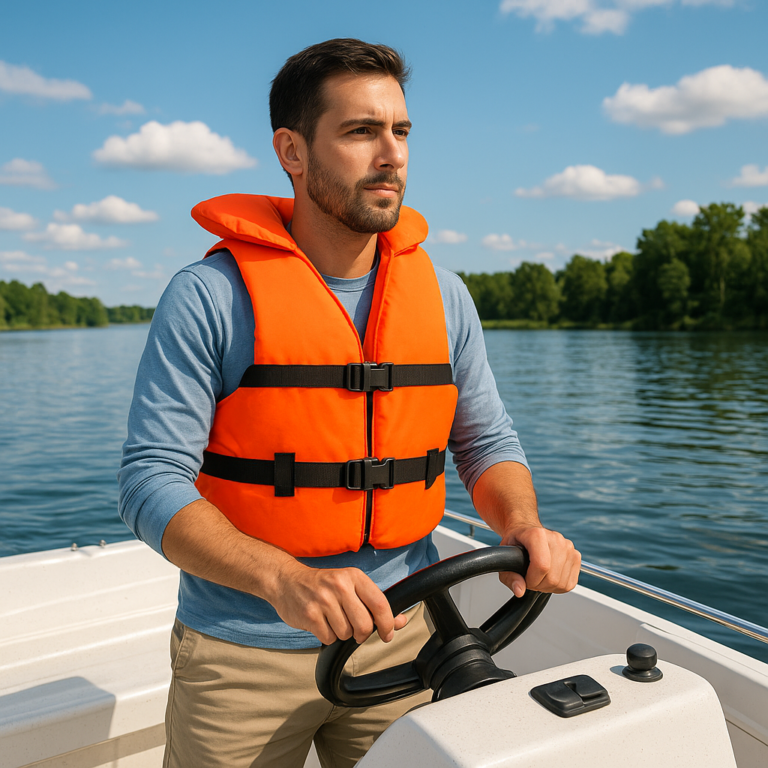
The leading cause of boating fatalities is drowning, and shockingly, 90% of those victims were not wearing a life jacket. When you ask what is the leading cause of boating fatalities, the answer isn’t a rogue wave or a mechanical failure; it’s the simple, preventable act of leaving your Personal Flotation Device (PFD) on the seat.
We once watched a seasoned captain laugh off the idea of wearing a vest on a calm, sunny afternoon, only to capsize his small skiff minutes later. He was a strong swimer, but the cold shock of the water left him gasping and unable to keep his head above the surface until his crew tossed him a ring buoy. By the time he was pulled in, he was exhausted and terrified, a stark reminder that swimming ability means nothing without a life jacket.
Statistics from the U.S. Coast Guard reveal that alcohol is the leading known contributing factor in fatal accidents, compounding the danger when combined with operator negligence. Yet, the most terrifying part of the data is that most accidents happen on calm, clear days when boaters let their guard down.
Key Takeaways
- Drowning is the #1 killer, but not wearing a life jacket is the primary reason people die.
- Alcohol is the leading known contributing factor in fatal boating accidents, impairing judgment and balance faster on water.
- Operator inattention and inexperience drive the majority of collisions and capsizing incidents.
- Cold water shock can incapacitate even the strongest swimmers within seconds, making a PFD essential regardless of the season.
- Complacency on calm days leads to more accidents than storms, proving that safety gear must be worn, not just carried.
Table of Contents
- ⚡️ Quick Tips and Facts
- 📜 A Brief History of Boating Safety: How We Got Here
- 🚨 The Uncomfortable Truth: What is the Leading Cause of Boating Fatalities?
- 🌊 Drowning Prevention: Why Life Jackets Are Your Best Friend
- 🍺 Alcohol and Boating: The Deadly Mix You Can’t Ignore
- 👀 The Role of Operator Negligence and Lack of Training
- 🌡️ Hypothermia and Cold Water Shock: The Silent Killers
- 🚤 Vessel Collisions and Capsizing: Avoiding Catastrophe
- 📊 Analyzing the Data: FWC and USCG Boating Accident Statistics
- ✅ Essential Safety Gear Checklist for Every Boat Owner
- 🎓 Boater Education Courses: Is It Worth Your Time?
- 🛠️ Pre-Trip Safety Inspections: What to Look For
- 🆘 Emergency Procedures: What to Do When Things Go Wrong
- 💡 Common Myths About Boating Safety Debunked
- 🏆 Conclusion: Taking Control of Your Safety on the Water
- 🔗 Recommended Links
- ❓ Frequently Asked Questions (FAQ)
- 📚 Reference Links
⚡️ Quick Tips and Facts
Before we dive into the murky depths of statistics and tragedy, let’s get the life-saving basics down pat. You don’t need a PhD in hydrodynamics to stay alive on the water, but you do need to know these non-negotiables.
- The 90% Rule: According to the U.S. Coast Guard, a staggering 90% of drowning victims were not wearing a life jacket, even though one was available on the boat. Yes, you read that right. The gear was there; it just wasn’t on.
- Alcohol is the Silent Saboteur: Alcohol is the leading known contributing factor in fatal boating accidents. It impairs balance, vision, and judgment faster on water than on land due to sun, wind, and vibration.
- The “Calm Day” Trap: Most accidents happen on calm, clear days during daylight hours. Why? Because complacency sets in. You think, “It’s just a quick run,” and that’s when you let your guard down.
- Speed Kills (Literally): Excessive speed is a top contributor to collisions. If you can’t stop within half the distance you can see, you’re going too fast.
- Education Matters: A huge chunk of accident operators had no formal boating safety education. Taking a course isn’t just for the kids; it’s for everyone.
For a deeper dive into the numbers that drive these stats, check out our comprehensive breakdown of boat statistics right here at Boat Brands™.
📜 A Brief History of Boating Safety: How We Got Here

Boating safety hasn’t always been a top priority. In the “good old days” (read: the 1950s and 60s), the prevailing attitude was “if you can swim, you’re fine.” The water was seen as a playground, not a hazard.
Fast forward to the 1970s, and the tide turned. The U.S. Coast Guard began realizing that drowning was the primary cause of death, not the boat sinking or crashing. This realization birthed the mandatory life jacket laws we have today.
However, the data tells a story of slow progress. For decades, the leading cause of boating fatalities remained stubbornly consistent: drowning due to not wearing a PFD (Personal Flotation Device).
- 1970s: Introduction of mandatory PFD carriage laws.
- 190s: Focus shifts to Boating Under the Influence (BUI) as alcohol-related deaths spike.
- 20s-Present: Emphasis on operator education and vessel safety checks.
Despite these advancements, the core issue remains human error. We’ve built better boats, but we haven’t necessarily built better boaters. As we’ll see later, the technology is there; it’s the willingness to use it that’s missing.
🚨 The Uncomfortable Truth: What is the Leading Cause of Boating Fatalities?
Here is the question that keeps us up at night: What is the leading cause of boating fatalities?
If you guessed “explosions” or “shark attacks,” you’re watching too many movies. The answer is far more mundane, and that’s what makes it so terrifying.
The leading cause of boating fatalities is drowning, and the primary reason people drown is not wearing a life jacket.
But wait, there’s a twist. While drowning is the mechanism of death, the root cause is often a chain of events starting with operator negligence or alcohol consumption.
The Data Doesn’t Lie
Let’s look at the numbers from the U.S. Coast Guard and state agencies like the Florida Fish and Wildlife Conservation Commission (FWC):
| Cause of Death | Percentage of Fatalities | Key Contributing Factor |
|---|---|---|
| Drowning | ~75% | Not wearing a PFD (90% of cases) |
| Collision | ~15% | Operator Inattention / Excessive Speed |
| Capsizing | ~10% | Overloading / Weather Ignorance |
| Suffocation | <5% | Carbon Monoxide (Boat exhaust) |
The Uncomfortable Reality:
Most people who drown were conscious when they hit the water. They didn’t go down like a stone; they flailed, panicked, and couldn’t get their heads above water because they weren’t wearing a life jacket.
“Accidents happen quickly and unexpectedly, and boaters might not have time to grab their life jacket before finding themselves in the water.” — Lt. Nicholas Korade, FWC Boating and Waterways Section
This brings us to a critical distinction: Carying a life jacket is not the same as wearing one. If you are in the water, you are likely disoriented, injured, or shocked. You won’t have the dexterity to strap on a vest.
🌊 Drowning Prevention: Why Life Jackets Are Your Best Friend
Let’s talk about the unsung hero of the water: the Personal Flotation Device (PFD).
We’ve all been there. You’re on a beautiful Saturday, the sun is shining, and you think, “I’m a strong swimer. I don’t need that bulky orange vest.”
Wrong.
The “Strong Swimmer” Myth
Being a strong swimer on a pool deck is different from being a strong swimer in a 40-degree lake with a 10-foot chop. Cold water shock can cause involuntary gasping, leading to water inhalation within seconds. A life jacket keeps your airway clear, regardless of your swimming ability.
Types of PFDs: Not All Created Equal
Not all life jackets are created equal. Choosing the right one is crucial.
| Type | Best For | Pros | Cons |
|---|---|---|---|
| Type I (Offshore) | Open water, rough seas | Highest buoyancy; turns unconscious person face-up | Bulky; uncomfortable for long wear |
| Type II (Near Shore) | Calm inland waters | Good buoyancy; turns some unconscious people face-up | Can be uncomfortable; less mobility |
| Type III (Flotation Aid) | Watersports, fishing | Comfortable; allows full movement | Does not turn unconscious person face-up |
| Type V (Special Use) | Specific activities (e.g., sailing, kayaking) | Highly specialized; often inflatable | Must be worn to be effective; maintenance required |
Our Recommendation:
For general recreational boating, we love Type III vests for their comfort, but we insist you wear them. If you are in open water or prone to falling overboard, consider a Type I or a high-quality inflatable Type V that you wear like a vest.
Real Brand Spotlight
We’ve tested dozens of PFDs, and here are a few that stand out for comfort and safety:
- Mustang Survival: Known for their M.I.T. 10 series, these are incredibly comfortable and offer great mobility.
- Onyx: Their A-Frame series is a favorite for fishing because it has plenty of pockets and is easy to move in.
- Stohlquist: Great for active watersports with their Fit series.
👉 CHECK PRICE on:
- Mustang Survival PFDs: Amazon | West Marine | Mustang Official
- Onyx Life Jackets: Amazon | West Marine | Onyx Official
🍺 Alcohol and Boating: The Deadly Mix You Can’t Ignore
If drowning is the how, alcohol is often the why.
Alcohol and boating are a match made in hell. On land, a few drinks might make you feel relaxed. On a boat, they make you a liability.
Why Alcohol is Worse on Water
- The “Boater’s Hangover”: Sun, wind, and engine vibration accelerate the effects of alcohol. A beer on the dock feels like three beers on the water.
- Impaired Judgment: You lose the ability to assess risk. Suddenly, that “quick jump” into the water seems like a great idea, even if you’re 50 feet from the boat.
- Slower Reaction Times: In an emergency, seconds count. Alcohol slows your brain to a crawl.
The Stats
According to the U.S. Coast Guard, alcohol is the leading known contributing factor in fatal boating accidents, accounting for roughly 15-20% of all deaths. In some states, that number is even higher.
The “One Drink” Rule:
There is no safe limit. If you are operating a boat, zero alcohol is the only safe limit. If you are a passenger, limit your intake to ensure you can help in an emergency.
“Staying sober keeps your decision-making sharp and your responses ready when seconds count.” — Sea Tow Safety Guidelines
👀 The Role of Operator Negligence and Lack of Training
We’ve talked about the gear and the booze, but what about the person behind the wheel?
Operator negligence is a massive, often overlooked, cause of fatalities. This includes:
- Failure to keep a proper lookout: Glancing at your phone, staring at the horizon, or getting distracted by passengers.
- Excessive speed: Going too fast for conditions.
- Inexperience: Not knowing how to handle the boat in rough water or how to react to an emergency.
The “Lookout” Problem
A common cause of collisions is the failure to maintain a 360-degree awareness. Dangers don’t just come from the front; they come from the sides and rear.
Step-by-Step: How to Maintain a Proper Lookout
- Assign a Lookout: If you have passengers, designate one person to scan the water while you drive.
- Scan in Sectors: Divide the water into 12-hour clock sectors. Check each sector every few seconds.
- Listen: Sometimes you hear a boat before you see it. Turn down the music!
- Use Technology: Radar and AIS are great, but they don’t replace human eyes.
The Education Gap
The FWC reports that nearly 50% of operators involved in fatal accidents had no formal boating safety education.
Taking a course isn’t just about passing a test; it’s about learning how to:
- Read the weather.
- Navigate safely.
- Handle emergencies.
- Understand right-of-way rules.
Boater Education Courses:
We highly recommend taking a course from the U.S. Coast Guard Auxiliary or the National Association of State Boating Law Administrators (NASBLA). Many states offer free online courses.
🌡️ Hypothermia and Cold Water Shock: The Silent Killers
You don’t need freezing water to die from cold. Hypothermia can set in when water temperatures are as high as 70°F (21°C).
The Cold Water Shock Response
When you fall into cold water, your body reacts instantly:
- Gasping: You inhale water involuntarily.
- Hyperventilation: You can’t control your breathing.
- Panic: Your heart rate spikes, and you might try to swim, burning energy and increasing the risk of drowning.
The Solution?
A life jacket keeps your head above water, allowing you to control your breathing and conserve energy.
Tips to Prevent Hypothermia
- Wear layers: Even in summer, the water is cold.
- Stay dry: Wet clothes lose heat 25x faster than dry ones.
- Huddle: If you’re in the water with others, huddle together to share body heat.
🚤 Vessel Collisions and Capsizing: Avoiding Catastrophe
Collisions and capsizing are the second and third leading causes of fatalities.
Collision Prevention
- Slow Down: Speed is the enemy of safety.
- Know the Rules: Understand navigation rules (e.g., who has the right of way).
- Use Lights: At night, lights are your only way to see and be seen.
Capsizing Prevention
- Don’t Overload: Every boat has a capacity plate. Do not exceed it.
- Distribute Weight: Keep the weight even. A heavy load one side can cause the boat to capsize.
- Watch the Weather: Sudden storms can turn calm waters into a death trap.
📊 Analyzing the Data: FWC and USCG Boating Accident Statistical Reports
Let’s dig into the numbers. The FWC 202 Boating Accident Statistical Report and the USCG Annual Report provide a clear picture of the dangers.
Key Findings from Recent Data:
- Falls overboard are the leading type of fatal accident.
- Drowning is the leading cause of death.
- 81% of drowning victims were not wearing a life jacket.
- Operator inattention and inexperience account for nearly half of all accidents.
Why the Data Varies:
Different agencies report data differently. Some count “fatalities,” while others count “accidents.” Some include “near misses,” while others don’t. This is why it’s important to look at multiple sources.
Competing Perspectives:
- Boat-Ed.com emphasizes that not wearing a life jacket is the primary cause.
- Sea Tow argues that alcohol is the leading contributing factor.
- FWC highlights falls overboard as the leading type of accident.
The Truth?
It’s a combination. Falls overboard lead to drowning, which is exacerbated by not wearing a life jacket and often triggered by alcohol or operator error.
✅ Essential Safety Gear Checklist for Every Boat Owner
You can’t just show up and hope for the best. You need the right gear.
The Must-Haves
- Life Jackets (PFDs): One for every person, plus extras.
- Fire Extinguishers: Properly charged and accessible.
- Visual Distress Signals: Flares, smoke signals, or LED lights.
- Sound-Producing Devices: Whistle or horn.
- Navigation Lights: Working and visible.
- Ventilation: For boats with enclosed fuel compartments.
- Backfire Flame Arrestor: For inboard engines.
The Nice-to-Haves
- VHF Radio: For communication in emergencies.
- GPS/Chartploter: For navigation.
- First Aid Kit: Stocked and accessible.
- Anchor: With enough line.
- Bilge Pump: Manual or automatic.
👉 CHECK PRICE on:
- Fire Extinguishers: Amazon | West Marine
- VHF Radios: Amazon | West Marine | Garmin Official
🎓 Boater Education Courses: Is It Worth Your Time?
Absolutely.
Taking a boater education course is the single best investment you can make for your safety.
What You’ll Learn
- Navigation Rules: Who has the right of way?
- Safety Equipment: How to use it properly.
- Emergency Procedures: What to do when things go wrong.
- Environmental Protection: How to avoid polluting the water.
Where to Take a Course
- Online: Boat-Ed, USCG Auxiliary
- In-Person: Local marinas, community colleges, or state agencies.
Our Experience:
We’ve taken courses from various providers, and the one thing they all agree on is that knowledge saves lives. Even if you’ve been boating for 20 years, a refresher course can teach you something new.
🛠️ Pre-Trip Safety Inspections: What to Look For
Before you cast off, do a quick check. It takes 5 minutes and could save your life.
The “5-Minute Check”
- Fuel: Is there enough? Is the tank secure?
- Engine: Check oil, coolant, and belts.
- Battery: Is it charged? Are connections tight?
- Safety Gear: Are life jackets, flares, and extinguishers on board?
- Hull: Any cracks or leaks?
The “Float Plan”
Tell someone where you’re going and when you’ll be back. If you don’t return, they know where to look.
🆘 Emergency Procedures: What to Do When Things Go Wrong
When the worst happens, panic is your enemy. Here’s what to do:
Man Overboard
- Shout: “Man Overboard!”
- Throw: Toss a life ring or buoyant object.
- Turn: Circle back to the person.
- Rescue: Pull them in safely.
Fire
- Stop: Shut off the engine.
- Aim: Point the extinguisher at the base of the fire.
- Squeeze: Squeeze the handle.
- Sweep: Sweep side to side.
Capsizing
- Stay Calm: Don’t panic.
- Stay with the Boat: It’s easier to spot than a person.
- Signal: Use flares or a whistle.
- Wait: Help is coming.
💡 Common Myths About Boating Safety Debunked
Let’s bust some myths.
- Myth: “I’m a good swimer, I don’t need a life jacket.”
Fact: Cold water shock can incapacitate even the best swimmers. - Myth: “I only drink a little, it won’t affect me.”
Fact: Alcohol affects you more on water than on land. - Myth: “I’ll just grab my life jacket if I fall in.”
Fact: You won’t have time. Wear it! - Myth: “The boat is big enough, I don’t need to worry about overloading.”
Fact: Overloading can cause capsizing.
🏆 Conclusion: Taking Control of Your Safety on the Water

So, what is the leading cause of boating fatalities? It’s a complex web of drowning, not wearing a life jacket, alcohol, and operator error. But the good news is that you can control most of these factors.
The Bottom Line:
- Wear your life jacket. Always.
- Stay sober. Zero alcohol while operating.
- Get educated. Take a course.
- Be vigilant. Keep a proper lookout.
- Prepare. Check your gear before every trip.
Safety isn’t just about following rules; it’s about cultivating an attitude where every boater remains alert and prepared. By taking these steps, you’re not just protecting yourself; you’re protecting your friends, family, and everyone else on the water.
Ready to hit the water safely?
Check out our Boat Buying Guide for tips on choosing the right vessel, or explore our Boat Lifestyle section for more fun and safe boating adventures.
🔗 Recommended Links
- Life Jackets & PFDs:
Mustang Survival: Amazon | West Marine | Mustang Official
Onyx: Amazon | West Marine | Onyx Official - Boating Safety Courses:
Boat-Ed: Boat-Ed.com
USCG Auxiliary: USCGAUX.org - Books:
“Chapman Piloting & Seamanship”: Amazon
“The Anapolis Book of Seamanship”: Amazon
❓ Frequently Asked Questions (FAQ)

What are some basic boating safety tips for beginners to avoid accidents?
Answer: The most critical tip is to wear a life jacket at all times. Additionally, never operate under the influence, maintain a proper lookout, and take a boater safety course. Always check the weather before heading out and ensure your boat is properly equipped with safety gear.
Read more about “📊 Boat Statistics 2026: 10 Shocking Trends You Must Know”
What are the risks associated with boating under the influence of alcohol or drugs?
Answer: Alcohol and drugs impair judgment, balance, vision, and reaction times. On water, these effects are amplified by sun, wind, and vibration. This leads to reckless behavior, por decision-making, and a significantly higher risk of collisions, capsizing, and drowning.
How do I prevent collisions with other boats or objects while sailing?
Answer: Prevention starts with slowing down and maintaining a proper lookout. Assign a passenger to scan for hazards. Follow navigation rules, use navigation lights at night, and avoid distractions like mobile phones. Always assume other boats may not see you.
Read more about “🌪️ How Weather Drives Boating Accidents: 6 Deadly Factors (2026)”
What safety equipment is required on a boat to prevent fatalities?
Answer: Required equipment varies by boat size and location but typically includes:
- Life Jackets (PFDs) for every person on board.
- Fire extinguishers.
- Visual distress signals (flares).
- Sound-producing devices (whistle/horn).
- Navigation lights.
- Ventilation systems for fuel compartments.
Read more about “🚨 15 Most Common Types of Boating Accidents (2026)”
How can I ensure my safety while boating on open water?
Answer: Ensure your boat is seaworthy, carry a VHF radio for communication, file a float plan with someone on shore, and always wear a life jacket. Monitor weather conditions closely and be prepared to seek shelter if conditions deteriorate.
Read more about “🚨 Boat Statistics 2020: The Shocking Truth Behind the Boom”
What are the most common causes of accidents on boats?
Answer: The most common causes are operator inattention, improper lookout, operator inexperience, excessive speed, and machinery failure. Alcohol is also a major contributing factor in fatal accidents.
Read more about “🚤 How Boat Size Affects Accident Rates: The Shocking Truth (2026)”
What type of report must be filed if there is an accident while boating?
Answer: In the U.S., a Boating Accident Report must be filed with the state agency (often the Department of Natural Resources or Fish and Wildlife) if the accident results in:
- A death.
- A missing person.
- Injuries requiring medical treatment beyond first aid.
- Property damage exceeding a certain threshold (usually $2,0).
Read more about “🚤 17M+ Boats & 83% Drowning Risk: Recreational Boat Statistics (2026)”
Who is required to keep a proper lookout while boating?
Answer: Everyone on the boat has a responsibility to keep a lookout, but the operator has the primary legal responsibility. However, assigning a dedicated lookout is a best practice for all vessels.
Read more about “Sailboat Statistics Uncovered: 10 Must-Know Metrics for 2026 ⛵️”
What is the cause of most fatal boating accidents: bad weather, operator error, poor boat design, or equipment defects?
Answer: Operator error is the leading cause. This includes inattention, inexperience, excessive speed, and alcohol use. While bad weather and equipment defects can contribute, human error is the primary factor in the vast majority of fatal accidents.
Read more about “💀 What Are Most Deaths in Boating Caused By? (Top 10 Causes)”
Which of these is a major contribution to fatal boating accidents?
Answer: Not wearing a life jacket is a major contribution to fatal boating accidents. Alcohol use is another significant factor. Both are preventable with proper safety practices.
Read more about “Unveiling the Truth: 10 Shocking Boating Statistics You Need to Know in 2024! 🚤📊”
What is the cause of most boating fatalities?
Answer: The cause of most boating fatalities is drowning, which occurs primarily because the victim was not wearing a life jacket.
Read more about “🌊 3,250+ Boating Deaths Per Year Worldwide: The Shocking Truth (2026)”
📚 Reference Links
- U.S. Coast Guard: Recreational Boating Statistics
- Florida Fish and Wildlife Conservation Commission (FWC): 202 Boating Accident Statistical Report
- Boat-Ed: Causes of Accidents and Fatalities
- Sea Tow: Primary Cause of Boating Fatalities
- National Association of State Boating Law Administrators (NASBLA): Boating Safety Education
- Mustang Survival: Life Jackets
- Onyx Safety: Life Jackets