Support our educational content for free when you purchase through links on our site. Learn more
What Causes Boating Fatalities? 9 Coast Guard Risks 🚤

According to the U.S. Coast Guard, what are the leading causes of recreational boating fatalities? Drowning is a leading cause of death, and not wearing a life jacket, alcohol use, capsizing, falls overboard, and operator errors are among the recurring risks behind fatal incidents. The exact ranking varies by year and by whether a report measures cause of death, accident type, or contributing factor.
We’ve watched a calm outing turn complicated when wind picked up and passengers started moving around the boat. That’s why our first recommendation is simple: wear a properly fitted life jacket, keep the operator sober, and check conditions before leaving the dock. The Coast Guard’s annual reports help explain the risks; good habits help you avoid becoming a statistic.
Key Takeaways
- Drowning is a leading cause of recreational boating deaths. Wearing a properly fitted life jacket can reduce the danger of an unexpected fall or capsize.
- Alcohol, inattention, and inexperience can contribute to fatal accidents. Keep the operator sober, alert, and trained for the vessel.
- Capsizing, falls overboard, collisions, flooding, and hazardous weather can escalate quickly. Plan for the boat, water, conditions, and people aboard.
- “Leading cause” depends on the statistic. Cause of death, accident type, and contributing factor are different categories in Coast Guard reports.
- Prepare before departure. Check the forecast and required equipment, brief passengers, and share a float plan.
Table of Contents
- ⚡️ Quick Tips and Facts: U.S. Coast Guard Boating Fatalities
- 🧭 What the Coast Guard Says About Recreational Boating Deaths
- How the Coast Guard tracks boating accidents
- Fatalities, accidents, and risk: what the numbers mean
- 🚨 Leading Causes of Recreational Boating Fatalities
- 1. Drowning and failure to wear a life jacket
- 2. Alcohol use and boating under the influence
- 3. Falls overboard
- 4. Capsizing and swamping
- 5. Collisions with vessels, objects, or fixed hazards
- 6. Operator inattention, inexperience, and inattention-related errors
- 7. Flooding and taking on water
- 8. Hazardous weather and rough water
- 9. Machinery, equipment, and carbon monoxide hazards
- 🛟 Why Drowning Is So Often Fatal
- Life-jacket use and sudden emergencies
- Cold water, exhaustion, and delayed rescue
- 🍻 Alcohol, Drugs, and Boating Fatality Risk
- How impairment affects boat operators and passengers
- Safer ways to handle alcohol on board
- 🚤 Which Boats and Boating Activities Face Greater Risks?
- Open motorboats, personal watercraft, and small craft
- Paddling, fishing, and boating alone
- 🌊 How Water, Weather, and Location Change the Risks
- Rivers, lakes, coastal waters, and offshore trips
- Wind, waves, cold water, and poor visibility
- ✅ How to Prevent the Leading Causes of Boating Deaths
- Before departure: vessel checks and trip planning
- On board: life jackets, lookout, and safe passenger behavior
- Operator training, sober boating, and emergency readiness
- 📋 What to Do During a Boating Emergency
- Man overboard response
- Capsizing, swamping, or taking on water
- Calling for help and using required safety equipment
- 📊 How to Read Coast Guard Boating Fatality Statistics
- Commonly reported accident types and contributing factors
- Why rankings and annual totals can change
- Conclusion
- Recommended Links
- FAQ
- What is the leading cause of recreational boating fatalities?
- What percentage of boating fatality victims were not wearing life jackets?
- Is alcohol a leading factor in fatal boating accidents?
- Which type of boating accident causes the most deaths?
- How can recreational boaters reduce their risk of dying on the water?
- Reference Links
⚡️ Quick Tips and Facts: U.S. Coast Guard Boating Fatalities
The U.S. Coast Guard’s annual Recreational Boating Statistics track deaths, injuries, and reported accidents. The recurring safety message is blunt: drowning, not wearing a life jacket, alcohol, and preventable operator errors feature prominently in fatal incidents. For the key takeaway in plain language, see our guide to what the leading cause of boating fatalities is.
| Quick fact | What it means for you |
|---|---|
| Drowning is a leading cause of boating deaths. | A wearable, properly fitted life jacket can help keep an unexpected fall from becoming a fatal one. |
| Many drowning victims were not wearing a life jacket. | Keep a correctly sized, U.S. Coast Guard-approved life jacket on each person, and wear it—especially in small craft, cold water, or rough conditions. |
| Alcohol is a major risk factor. | A sober operator has better judgment, balance, and reaction time. Designate the driver before leaving the dock. |
| Capsizing, falls overboard, and collisions can escalate quickly. | Put on life jackets before trouble starts; reaching for one after a capsize may be difficult or impossible. |
| The exact ranking depends on the statistic. | “Leading cause of death,” “most common accident type,” and “most frequent contributing factor” are different categories. Check which one a source is measuring. |
Our crew has seen calm-looking water turn choppy faster than a picnic cooler can slide across a cockpit. Wear life jackets, check the forecast, and keep a sober, attentive operator at the helm. You can find more practical guidance in our boating buying guide and boat lifestyle articles.
🧭 What the Coast Guard Says About Recreational Boating Deaths
The Coast Guard’s annual reports help answer the search question, “According to the U.S. Coast Guard, what are the leading causes of recreational boating fatalities?” The most useful answer is not one oversimplified ranking: fatal outcomes commonly involve drowning, while accidents and deaths are associated with circumstances such as not wearing a life jacket, alcohol use, operator inexperience, falls overboard, and capsizing.
A cause, an accident type, and a contributing factor are not interchangeable. For instance, drowning describes how someone died; capsizing describes what happened to a vessel; and alcohol use may be a contributing factor. One fatal incident can involve all three.
The Coast Guard Foundation’s boating safety article also points readers toward Coast Guard safety guidance and highlights life jackets. That’s useful context, but for exact annual counts and definitions, go to the Coast Guard’s boating statistics and reports, not a headline or a social-media snippet.
How the Coast Guard tracks boating accidents
The Coast Guard collects and publishes data on recreational boating incidents, including reported accidents, deaths, injuries, vessel types, and contributing factors. The Boating Accident Report Database and annual reports are the best starting points for checking specific claims.
Keep three distinctions in mind:
- Fatality cause: The direct medical or physical cause of death, such as drowning or traumatic injury.
- Accident type: The event, such as a collision, capsizing, or person falling overboard.
- Contributing factor: A circumstance associated with the event, such as alcohol use, inattention, or inexperience.
The categories can overlap, and the report’s terminology matters. A headline that says “the top cause” might mean the most common accident type, the most frequently reported contributing factor, or the leading cause of death. Those are different questions, so their answers can differ without the underlying data being contradictory.
Fatalities, accidents, and risk: what the numbers mean
A large share of accidents does not automatically mean the same share of deaths. One type of incident may happen often but be survivable; another may be less frequent but more likely to turn fatal.
| Statistic | What it tells you | What it does not tell you by itself |
|---|---|---|
| Number of fatalities | How many deaths were recorded in a period | The risk per outing, passenger, or boating hour |
| Accident count | How many reportable incidents were recorded | How deadly each type of accident was |
| Cause of death | The mechanism that directly resulted in death | What initiated the emergency |
| Contributing factor | A circumstance recorded as relevant to an incident | That the factor alone caused the death |
| Vessel type | The kinds of boats involved in reported incidents | That one vessel design is inherently unsafe in every use |
For the broader context behind Coast Guard reporting, browse the agency’s recreational boating safety statistics. The practical takeaway is simple: use the numbers to spot recurring risks, then match your safety plan to the boat, activity, water, and people aboard.
🚨 Leading Causes of Recreational Boating Fatalities
Rather than pretend every year produces one tidy, universal ranking, we’ll focus on the recurring fatal risks that boaters can actually reduce. The Coast Guard’s annual data and its boating safety resources repeatedly direct attention to drowning prevention, life jackets, sober operation, safe boat handling, and preparedness.
The list below is a practical guide to major risks, not a claim that these factors always appear in the same order. A boater falling overboard without a life jacket in cold water, for example, may face several risks at once.
1. Drowning and failure to wear a life jacket
Drowning is a major cause of recreational boating deaths. A sudden fall, capsize, collision, or medical emergency can put someone in the water before they have time to find or put on a flotation device.
The Coast Guard explains life-jacket requirements and types in its life jacket guidance. For recreational use, make sure each person has a wearable, Coast Guard-approved life jacket that fits that person and suits the activity.
- Wear it before the emergency. A life jacket stowed under a seat cannot help you while you’re struggling in the water.
- Check the fit. A loose or oversized jacket can ride up; a jacket that is too small may not provide the intended buoyancy.
- Match it to the activity. Kayaking, sailing, fishing, and powerboating may call for different designs and mobility.
- Check its condition. Look for damaged straps, torn fabric, missing closures, and any manufacturer inspection or service requirements.
A helpful perspective appears in the featured video: its boating-safety presentation emphasizes that drowning prevention and life-jacket use are core interventions, not optional extras. That advice applies whether you’re on a family runabout or paddling a quiet lake.
Benefits: A worn, properly fitted life jacket keeps flotation immediately available and can help conserve energy while waiting for assistance.
Limitations: No life jacket removes every risk. Fit, condition, correct use, water conditions, and rescue time still matter.
2. Alcohol use and boating under the influence
Alcohol can impair balance, judgment, coordination, and reaction time—the very skills that help you spot a hazard and respond before it becomes an accident. On the water, glare, vibration, heat, motion, and fatigue can compound the effects.
The U.S. Coast Guard’s boating safety guidance warns boaters about the risks of alcohol. Federal law prohibits operating a recreational vessel while intoxicated, and states may have additional laws and penalties. Check the rules where you boat rather than assuming they are identical everywhere.
Our recommendation is uncomplicated: keep the operator sober. One person should take responsibility for operating the vessel, and passengers should avoid pressuring that person to drink. It’s a lot easier to enjoy the day when nobody has to guess whether the skipper’s reaction time is keeping up with the wake.
3. Falls overboard
A person overboard can be difficult to spot, especially at night, in choppy water, or when passengers assume someone else is watching. Falls may happen while fishing, moving between seats, reaching for gear, or standing suddenly when a boat turns.
Reduce the chance of a fall:
- Wear a life jacket, especially when moving around or operating a small vessel.
- Keep walkways clear of rods, coolers, ropes, and loose gear.
- Use handholds, move deliberately, and avoid standing in an unstable position.
- Assign a lookout when passengers are active or conditions are challenging.
- If someone goes overboard, keep the person in sight and follow your vessel’s emergency procedures.
For specific equipment and operating guidance, consult the Coast Guard’s recreational boater safety resources. Small boats have little margin for sudden movement; one passenger shifting weight at the wrong moment can change the whole scene.
4. Capsizing and swamping
A capsize overturns a vessel; swamping floods it with water. Both can leave occupants in the water, where cold, waves, current, and distance from shore make rescue harder. Small open craft are especially sensitive to weight distribution and changing conditions.
Before you depart:
- Check the boat’s capacity plate and follow its passenger and weight limits.
- Distribute people and gear evenly.
- Keep weight low and avoid sudden, unnecessary movement.
- Secure loose equipment without blocking exits or access to safety gear.
- Wear life jackets and check weather and water conditions before heading out.
The Coast Guard’s safe boating guidance and state boating authorities offer vessel-specific rules. If you operate a kayak, canoe, dinghy, or small open motorboat, take instruction for that craft; a generic boating course is valuable, but hands-on practice makes the advice usable when the boat starts behaving like a bathtub with ambitions.
5. Collisions with vessels, objects, or fixed hazards
Collisions can cause blunt-force injuries, ejections, capsizing, or damage that leads to flooding. Hazards include other boats, docks, pilings, buoys, submerged objects, and shorelines. Poor visibility, speed, inattention, and unfamiliar waters can raise the risk.
Use a proper lookout, travel at a safe speed for conditions, and learn local navigation markers. The U.S. Coast Guard Navigation Center provides aids-to-navigation information, while the Coast Guard’s boating safety resources cover safe operation.
A chartploter is helpful, but it is not a lookout. Keep your eyes up, give other vessels room, and slow down when visibility or traffic gets complicated.
6. Operator inattention, inexperience, and inattention-related errors
The Coast Guard reports contributing factors in boating incidents; among the recurring concerns are operator behaviors such as inattention, inexperience, and improper lookout. Fatigue, unfamiliar controls, distractions, and overconfidence can turn an ordinary maneuver into a close call.
The National Association of State Boating Law Administrators links to state boating education resources. Training requirements vary by state, so confirm what applies where you operate. Even if a course is not legally required for you, instruction can help you understand navigation rules, weather, emergency response, and boat handling.
The featured video also stresses craft-specific instruction. That distinction matters: handling a personal watercraft, pontoon, sailboat, kayak, and offshore powerboat are not the same skill set.
7. Flooding and taking on water
Water entering the hull can reduce stability, impair engine operation, and ultimately lead to swamping or sinking. Leaks, damaged fittings, overloaded vessels, rough water, and failed equipment can all play a part.
Before launching, check the hull, drain plugs, hoses, bilge area, and relevant safety equipment. On board, secure the drain plug and know how to use any bilge pump or manual bailing equipment. The Coast Guard’s required equipment guidance can help you check what your vessel needs; state requirements may add to federal rules.
A quick walk-around is not busywork. It is easier to spot a missing plug at the ramp than to explain to your passengers why the deck is getting wetter by the minute.
8. Hazardous weather and rough water
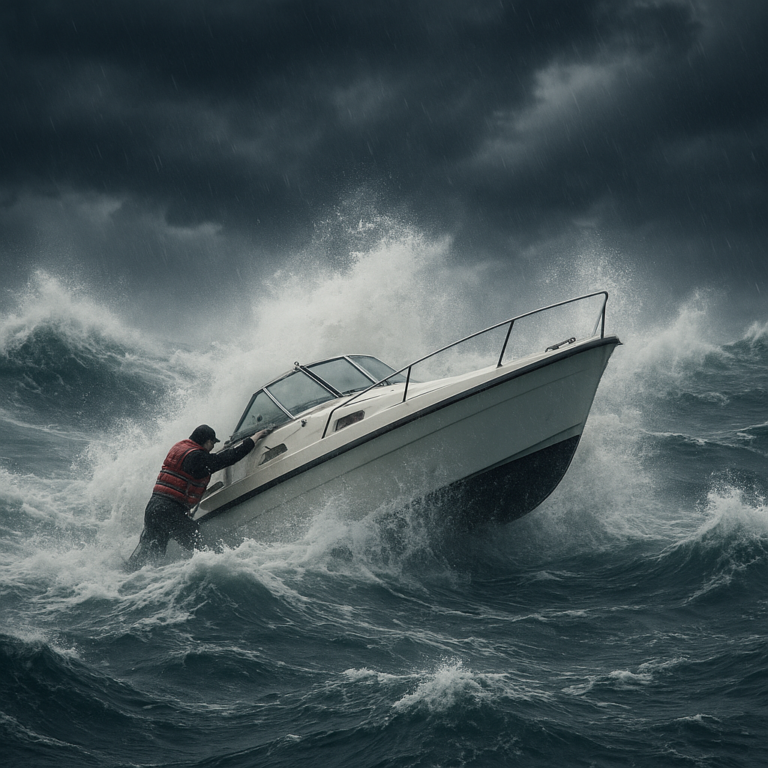
Wind, waves, lightning, reduced visibility, cold water, and rapidly changing conditions can overwhelm a boat or crew. A forecast is only a starting point; local conditions can differ across a lake, river, or coastline.
Check the National Weather Service’s marine forecasts and warnings before leaving and monitor conditions while underway. The featured video’s advice to plan trips around hazardous conditions and recognize unsafe water and weather is worth taking literally: turning back is a boating skill, not a defeat.
9. Machinery, equipment, and carbon monoxide hazards
Mechanical failures can contribute to emergencies, while carbon monoxide (CO) exposure can cause severe illness or death. CO is an odorless, colorless gas produced by fuel-burning engines and generators. It can accumulate in or around boats, including near swim platforms and enclosed spaces.
The U.S. Coast Guard’s carbon monoxide safety information explains where exposure can occur and how to reduce risk. Maintain engines and fuel systems, use properly installed CO alarms where appropriate, and never ignore symptoms such as headache, dizziness, nausea, or confusion.
For maintenance ideas and manufacturer news, explore Boat Brands™’ boat industry news and boat manufacturer coverage. A well-maintained boat reduces risk; it does not excuse skipping safety gear or a pre-departure check.
🛟 Why Drowning Is So Often Fatal
A boating emergency may begin in seconds, but rescue can take much longer. The person in the water may be disoriented, injured, exhausted, or unable to keep their airway clear. Waves, current, darkness, and cold make the situation harder.
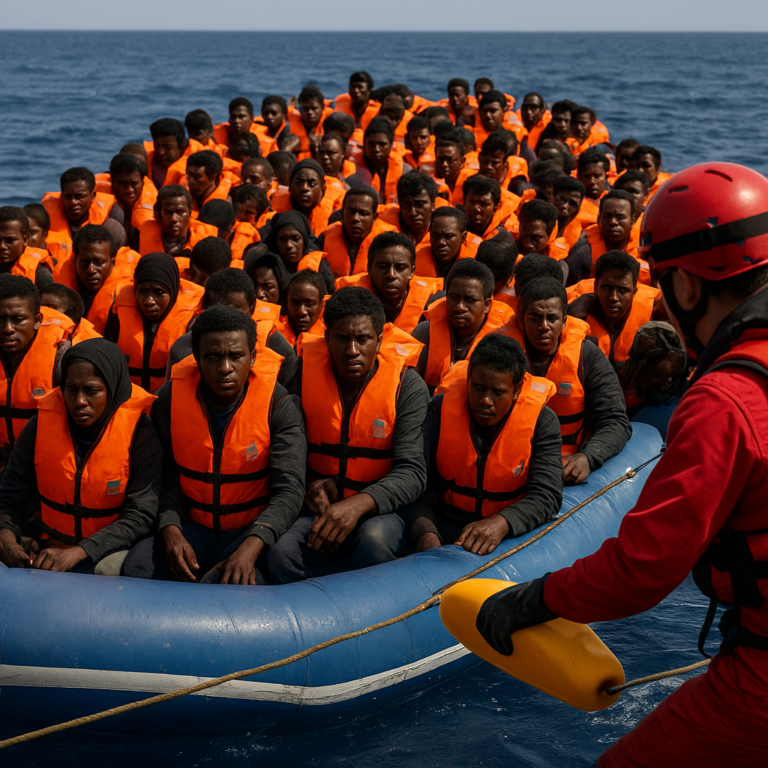
That’s why the Coast Guard and other safety organizations emphasize wearing life jackets rather than merely carrying them. The U.S. Coast Guard’s life-jacket page explains selection and use. Flotation is most useful when it is already on you.
Life-jacket use and sudden emergencies
When a vessel capsizes or someone falls overboard, there may be no safe moment to retrieve and put on a jacket. Keep a properly fitted jacket available for every person and encourage everyone to wear one.
The right choice depends on the wearer, activity, and conditions. For instance, paddlers may value mobility, while an offshore crew may need equipment designed for more demanding conditions. Check the label and manufacturer instructions, and inspect inflatable models according to their service requirements.
Cold water, exhaustion, and delayed rescue
Cold water can quickly make movement and self-rescue more difficult. Even strong swimmers can lose energy while staying afloat, especially when wearing heavy clothing or fighting current.
- Check the water temperature and conditions, not just the air temperature.
- Dress for immersion risk and carry communication equipment suitable for your trip.
- File a float plan with someone on shore.
- Wear a life jacket and know how to use it.
- Learn self-rescue and assisted-rescue techniques for your specific boat.
The National Weather Service’s marine safety information can help with forecasts and warnings. A warm afternoon does not guarantee warm water.
🍻 Alcohol, Drugs, and Boating Fatality Risk
Alcohol and impairing drugs can make safe operation harder by affecting judgment, coordination, attention, and decision-making. That risk does not stop at the helm: passengers who are impaired may be less steady, less likely to follow instructions, and more vulnerable to falls.
How impairment affects boat operators and passengers
A boat operator has to scan for traffic, read water and weather, maintain safe speed, and react to changing conditions. Impairment can interfere with those tasks. Passengers also need to move safely, use handholds, and respond to instructions during an emergency.
Federal rules and state laws address boating under the influence; the Coast Guard provides boating safety information at its recreational boating portal. The safest rule for the operator is no alcohol or impairing drugs.
Safer ways to handle alcohol on board
If alcohol will be part of the outing, separate it from vessel operation:
- Choose a sober operator before departing.
- Keep that person sober for the entire trip, including docking and anchoring.
- Assign a backup adult who understands the boat and emergency plan.
- Keep passengers seated or holding on when underway.
- Do not let social pressure override a safe decision to delay or cancel the trip.
Our crew’s perspective: the most relaxing skipper is the one who doesn’t need to calculate whether they’re still okay to drive the boat. Make that decision easy in advance.
🚤 Which Boats and Boating Activities Face Greater Risks?
Risk varies with vessel design, activity, experience, conditions, and the number of people aboard. The Coast Guard’s annual reports break out incidents by vessel type, but a high accident count does not prove a particular boat is unsafe. It may also reflect how many people use that type of boat or how often it is used.
Open motorboats, personal watercraft, and small craft
Open motorboats, personal watercraft, and small craft have different operating characteristics and risks. Small boats may respond quickly to shifting passenger weight; personal watercraft require close attention to speed and maneuvering; larger motorboats demand awareness of stopping distance and blind spots.
The featured video discusses differences across vessel types and calls for craft-specific instruction. Treat that as a useful reminder, not a substitute for checking current Coast Guard reports: the mix of boats involved incidents can change from year to year.
| Craft or activity | Risk considerations | Practical preparation |
|---|---|---|
| Open motorboat | Passenger movement, speed, collision exposure, changing conditions | Wear life jackets, keep a lookout, observe capacity limits |
| Personal watercraft | High-speed operation, falls, collision and traumatic-injury risk | Take approved instruction, use required safety gear, operate sober |
| Kayak or canoe | Immersion, cold water, limited freeboard, distance from shore | Wear a life jacket, dress for water temperature, plan a reachable route |
| Paddleboard | Falls, wind drift, changing weather, separation from board | Use a suitable leash where conditions and local rules allow, wear a PFD |
| Sailboat | Wind shifts, riging movement, falls, changing sea state | Wear a PFD, maintain a lookout, practice recovery procedures |
Paddling, fishing, and boating alone
Paddling and fishing can feel peaceful enough to lull you into treating safety as optional. But a quiet trip can still involve cold water, changing winds, entanglement, a fall, or a medical emergency. Boating alone adds another challenge: there may be no one on board to call for help or assist with recovery.
Before heading out alone:
- Tell someone where you’re going and when you expect to return.
- Wear a life jacket and carry a communication device suited to the area.
- Check weather, water levels, and access points.
- Avoid conditions beyond your training or equipment.
- Know your self-rescue plan before you launch.
For more boating and outdoor perspectives, visit Boat Brands™’ boating lifestyle coverage.
🌊 How Water, Weather, and Location Change the Risks
A lake, a tidal inlet, and an offshore route can present completely different hazards. Local currents, water temperature, traffic, wind exposure, visibility, and distance to help all affect what counts as a safe plan.
Rivers, lakes, coastal waters, and offshore trips
| Environment | Hazards to consider | Preparation |
|---|---|---|
| Rivers | Current, debris, changing water levels, limited maneuvering room | Check flow and local hazards; plan exits and recovery points |
| Lakes | Suden wind, wakes, crowded ramps, long distances to shore | Check local forecast; monitor traffic and exposed stretches |
| Coastal waters | Tides, currents, shoals, traffic, changing weather | Check marine forecasts, tide information, charts, and local notices |
| Offshore | Longer rescue times, rapid weather changes, communication range | File a float plan, carry suitable communications, and make conservative decisions |
The National Weather Service marine forecast page and the Coast Guard Navigation Center are useful sources for planning. Conditions vary locally, so pair official forecasts with local knowledge and your own assessment.
Wind, waves, cold water, and poor visibility
Wind can build waves and make a return trip more demanding than the outward run. Poor visibility reduces reaction time; cold water makes immersion more dangerous; and a forecast can change while you’re underway.
Before committing, ask:
- Can everyone aboard handle the expected conditions?
- Does the boat suit the route and weather?
- Can you return safely if the wind or water worsens?
- Do you have the right flotation, clothing, lights, and communications?
- Is turning back the safer choice?
The Coast Guard’s boating safety guidance and National Weather Service warnings are better companions than wishful thinking. If the conditions are beyond your crew or vessel, postpone.
✅ How to Prevent the Leading Causes of Boating Deaths
No single action prevents every incident. A layered approach reduces the chance that one mistake becomes a fatal emergency: wear a life jacket, operate sober, maintain the boat, plan for conditions, and train for your vessel.
Before departure: vessel checks and trip planning
Use this simple pre-departure routine:
- Check weather and water conditions. Review official forecasts and warnings.
- Inspect the vessel. Look over the hull, drain plug, engine, fuel system, steering, and safety equipment.
- Confirm capacity and load. Follow the boat’s limits and distribute passengers and gear sensibly.
- Check required equipment. Review the Coast Guard’s required equipment guidance and any state-specific rules.
- Choose a sober operator. Make the decision before the first drink or departure.
- Share a float plan. Tell someone your route, timing, and who is aboard.
- Brief passengers. Point out life jackets, communications gear, and emergency procedures.
On board: life jackets, lookout, and safe passenger behavior
- Have each passenger wear a properly fitted life jacket.
- Keep a responsible lookout, particularly in traffic, low visibility, or busy waterways.
- Keep walkways clear and move carefully.
- Keep passengers seated or holding on when appropriate.
- Slow down when visibility, traffic, or conditions change.
- Keep safety equipment accessible rather than buried under gear.
The Coast Guard’s life-jacket guidance and boating resources explain key safety practices. The best time to locate a life jacket is before you need one.
Operator training, sober boating, and emergency readiness
Take a boating safety course recognized by your state, then practice operating the specific vessel you use. The National Association of State Boating Law Administrators helps boaters find education resources, while the Coast Guard provides recreational boating safety information.
Build readiness with a short crew briefing:
- Who takes the helm if the operator is hurt?
- Where are the life jackets and first-aid kit?
- How do you call for help?
- What is the plan for a person overboard?
- How do you shut off the engine or stop the vessel safely?
The featured video sums up the mindset well: prevent problems, learn to rescue yourself and others, and use instruction tailored to your vessel. Practice turns a safety checklist into a response people can actually remember.
📋 What to Do During a Boating Emergency
When an emergency begins, focus on immediate safety, clear communication, and following the procedures you’ve practiced. The right response depends on the boat and conditions, so use your vessel’s manual and formal training as your primary guides.
Man overboard response
- Alert everyone immediately and keep the person in sight.
- Assign a spoter to point continuously at the person in the water.
- Control the vessel safely and follow your training and boat-specific recovery procedure.
- Use flotation and communication equipment as appropriate.
- Call for assistance if the situation exceeds your crew’s ability or the person is injured, exhausted, or in danger.
Every crew member should know who is the lookout and how the operator will maneuver. A life jacket makes the rescue more manageable, but getting back aboard may still require a practiced plan.
Capsizing, swamping, or taking on water
- Put on or keep life jackets on and account for everyone aboard.
- Follow the vessel’s safety instructions and avoid actions that make the boat less stable.
- Use communications equipment to request help if needed.
- Stay with the vessel when doing so is safe and appropriate; a boat may be easier for rescuers to locate than a person in the water.
- Do not attempt a recovery or re-entry method you have not practiced if it creates more danger.
The Coast Guard offers general guidance through its recreational boater resources. A capsized-boat response should be learned before the trip, not invented while wet and startled.
Calling for help and using required safety equipment
Know how to use the communication and signaling equipment aboard your boat. Required equipment depends on vessel type, size, and operating area; check the Coast Guard’s equipment requirements and local rules.
Before departure, show the crew:
- Where communications equipment is stored.
- How to send an emergency call or signal.
- Where visual distress signals and first aid supplies are kept.
- How to shut down the engine and use relevant safety equipment.
- Who will contact shore or emergency services if the operator cannot.
For device-specific purchasing and safety information, consult manufacturers such as Garmin and read the product’s operating manual. Equipment only helps when it is compatible, maintained, reachable, and understood by the people aboard.
📊 How to Read Coast Guard Boating Fatality Statistics
The Coast Guard’s reports are valuable, but a statistic needs context. Always check the year, definition, and unit being counted before using a number to make a safety claim. Start with the official annual boating accident statistics, then compare like with like.
Commonly reported accident types and contributing factors
Reports may classify data by accident type, injury or death outcome, vessel, and contributing factor. Those categories answer different questions:
- “What happened?” Look at accident types such as capsizing, collision, or falls overboard.
- “How did people die?” Look at causes of death, such as drowning or trauma.
- “What conditions were involved?” Look at contributing factors such as alcohol, inattention, or inexperience.
- “What vessels were involved?” Review vessel-type data, while remembering that exposure and popularity influence counts.
Why rankings and annual totals can change
Year-to-year comparisons can shift because boating activity, vessel mix, reporting, weather, and other conditions change. Counts also do not always show risk per trip or per hour on the water. A rise incidents involving a popular vessel type does not automatically mean each individual trip is riskier.
Some supplied competitor pages do not expose their underlying answer or statistics: the Brainly page is blocked by a verification screen, and the Facebook post displays a login prompt. They therefore cannot verify a ranking or figure. The Coast Guard Foundation article says the annual report offers insights on accident causes and emphasizes life jackets, but it is not a substitute for the report’s underlying tables. When sources conflict, trust the Coast Guard report for the official dataset and check that both sources are using the same year and category.