Support our educational content for free when you purchase through links on our site. Learn more
Is Boating Still Popular in 2026? 🚤

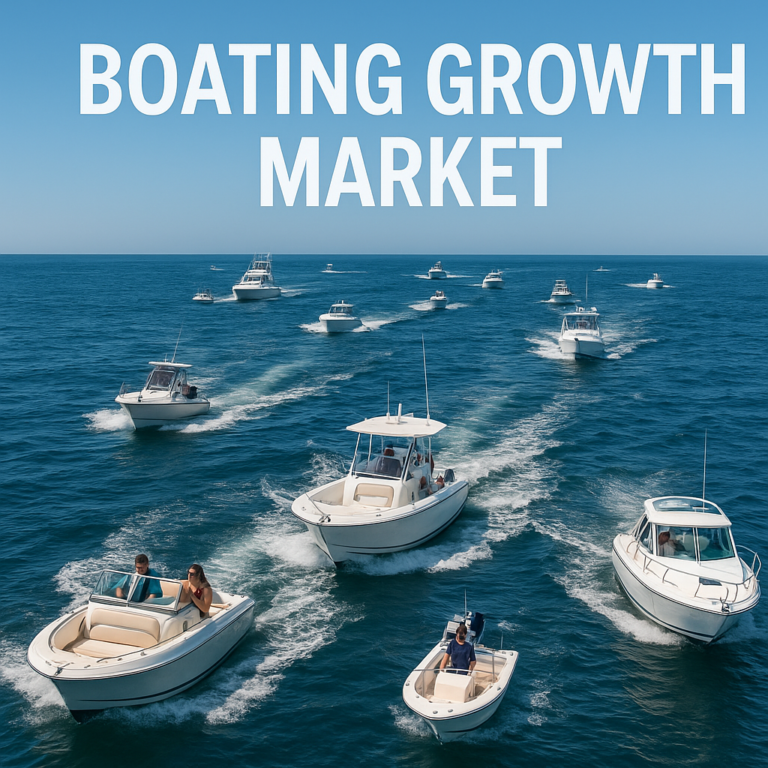
Yes, boating is still popular in 2026—but fewer people are treating boat ownership as the only way to enjoy it. Rentals, boat clubs, smaller vessels, fishing boats, kayaks, and paddleboards let people get on the water while new-boat sales settle back from the extraordinary pandemic-era boom.
That difference matters: a slower boat-buying market doesn’t automatically mean fewer people are boating. At a busy launch, we’ve watched an old aluminum fishing boat, a rented pontoon, and a pair of kayaks all head out within minutes—three very different ways to answer the same question.
So what’s really changing: a decline in boating, or a shift in how people access it? We’ll look at the sales, costs, boat types, and trends behind the headlines—and what they mean if you’re thinking about getting afloat.
Key Takeaways
- Boating remains popular, but new-boat sales and boating participation measure different things.
- More people are choosing flexible access through rentals, boat clubs, charters, and paddlecraft instead of buying.
- The pandemic-era sales surge wasn’t a typical baseline; a slowdown from that peak doesn’t prove boating has disappeared.
- Costs, storage, service access, and local water conditions influence whether people buy and how often they go out.
- Small boats, fishing boats, pontons, personal watercraft, and paddlecraft all serve different boating needs.
- Try before you buy: a rental, guided trip, club outing, or safety course can help you find the right fit before taking on ownership.
Table of Contents
- ⚡️ Quick Tips and Facts: Is Boating Still Popular?
- 📊 Boating’s Popularity Today: Who’s Getting on the Water?
- How Boat Sales, Registrations, and Participation Tell Different Stories
- What “Popular” Means: Ownership, Rentals, and Time Afloat
- 📜 From Wooden Hulls to Modern Fiberglass: Boating’s Boom-and-Bust History
- 👥 Who Boats Today? Demographics, Newcomers, and the Next Generation
- Are Younger Adults and Families Still Interested in Boating?
- How Boating Participation Varies by Region and Community
- 💸 What It Costs to Go Boating: Ownership, Fuel, Storage, and Upkeep
- Boat Ownership vs. Renting, Charters, and Boat Clubs
- Ways to Make Boating More Affordable
- 🚤 Which Boats Are Still Popular? From Pontoon Boats to PWCs
- Why Small Boats, Fishing Boats, and Personal Watercraft Stay in Demand
- Pontoon Boats, Runabouts, Sailboats, and Other Favorites
- 🎣 Why People Still Love Boating: Fishing, Family Time, and Freedom
- Boating as a Social, Outdoor, and Vacation Lifestyle
- How Social Media and Boat-Life Culture Shape Interest
- 🌦️ What’s Making Boating Harder? Weather, Access, and Regulations
- Climate, Water Levels, and Changing Boating Conditions
- Marina Access, Boat Ramps, Insurance, and Safety Rules
- 🛠️ 7 Signs Your Local Marina Is Struggling—and Why It Matters
- 🔮 The Future of Boating: Electric Boats, Shared Access, and New Technology
- Can Electric Boats Make Boating More Accessible?
- How Boat Clubs, Rentals, and Peer-to-Peer Sharing Could Grow
- 🧭 Is Boating Still Worth It? How to Decide if It’s Right for You
- Conclusion
- Recommended Links
- FAQ
- Is boating becoming less popular?
- Are boat sales declining while boating participation stays strong?
- What type of boat is best for a first-time boater?
- Is renting a boat cheaper than owning one?
- Can you enjoy boating without owning a boat?
- What is the biggest challenge facing boating today?
- Reference Links
⚡️ Quick Tips and Facts: Is Boating Still Popular?
Yes—boating is still popular, but popularity is shifting from new-boat ownership toward more flexible ways to get on the water. If you’re weighing falling sales against steady-looking participation, our related guide, Is Boating on the Decline?, explains why those trends can coexist.
| Question | The practical answer |
|---|---|
| Are people still boating? | Yes. Powerboating, fishing, paddling, sailing, rentals, and boat-club outings all bring people onto the water. |
| Are new boats selling as briskly as during the pandemic boom? | No. Sales have cooled from unusually high levels, and that doesn’t automatically mean participation has collapsed. |
| What’s changing? | Buyers are more cost-conscious; many are choosing smaller boats, used boats, rentals, clubs, kayaks, and paddleboards. |
| What remains a major draw? | Fishing, family time, watersports, sightseeing, and the simple pleasure of being somewhere without a parking lot. |
| What should newcomers prioritize? | Try the activity before buying, learn local rules, check weather, and wear a properly fitted life jacket. |
A useful distinction: boat sales measure purchases, not every boat trip. Someone renting a pontoon, borrowing a friend’s fishing boat, or launching a kayak is still boating, even if no new powerboat changes hands.
The National Marine Manufacturers Association reports on U.S. recreational boating and industry sales; its industry data and resources are a better place to verify market claims than a dramatic social-media chart. For participation and safety context, check the U.S. Coast Guard’s recreational boating reports and the Outdoor Industry Association’s participation research.
Our quick take: Boating hasn’t disappeared. It has become more varied, more price-sensitive, and, for many people, less tied to owning a boat. Keep that thought in mind: it helps make sense of the apparently conflicting sales headlines later.
📊 Boating’s Popularity Today: Who’s Getting on the Water?
Boating isn’t one market with one dial labeled “popular.” It includes powerboats, sailboats, personal watercraft, canoes, kayaks, paddleboards, rentals, charters, and organized boat clubs. A slowdown in one corner can sit alongside strong interest in another.
The U.S. Bureau of Economic Analysis outdoor recreation accounts track the wider economic footprint of outdoor recreation, while the National Marine Manufacturers Association tracks marine-industry indicators. They answer different questions: economic activity and product sales aren’t the same thing as how many people went boating this weekend.
How Boat Sales, Registrations, and Participation Tell Different Stories
Here’s why reports can seem to disagree:
| Measure | What it tells you | What it doesn’t tell you |
|---|---|---|
| New-boat sales | How many new boats were sold or shipped in a period | How many people used existing boats |
| Boat registrations | The number of registered vessels, subject to state rules and reporting | How often each vessel is used |
| Participation surveys | How many people report taking part in activities | Whether they own, rent, borrow, or use a club boat |
| Marina traffic or launch counts | Local use at a particular place and time | National participation across all water types |
| Marine-industry revenue | Commercial activity across relevant businesses | Whether boating is becoming more or less accessible |
After a pandemic-era surge in outdoor recreation, many manufacturers and dealers faced more cautious buyers, financing pressure, and leftover inventory. That’s a market correction, not proof that everyone has given up fishing or family lake days.
The first video linked as #featured-video presents a more severe industry-distress perspective, describing dealer inventory, manufacturer closures, and financial strain at specific companies. Treat those as claims about particular businesses and market segments—not a complete national count of boaters. The video’s striking figures, such as dealers reporting excess inventory and boats taking a long time to sell, need dated, independently verifiable sourcing before being repeated as settled industry-wide facts.
Our rule of thumb: trust each statistic for the question it actually measures. For sales, look at dated industry releases; for accident and safety information, use the Coast Guard; for outdoor participation, check the survey methodology and definition of “participant.”
What “Popular” Means: Ownership, Rentals, and Time Afloat
If popularity means new boats sold, the recent picture is cooler than the pandemic boom. If it means people still choosing water-based recreation, the picture is broader: fishing boats, rental pontons, kayak launches, sailing lessons, guided charters, and boat-club reservations all count.
We see this distinction at the ramp. A launch can be busy with older aluminum fishing boats while a nearby dealer is working through unsold new inventory. One measures use; the other measures purchases.
| Way to boat | Typical appeal | Main trade-off |
|---|---|---|
| Own a powerboat | Spontaneous access and personal setup | Upkeep, storage, insurance, and operating costs |
| Join a boat club | Access to several boats without full ownership | Reservations, membership terms, and location availability |
| Rent or charter | Try an activity or destination with less commitment | Less flexibility; availability may be seasonal |
| Paddle a kayak or SUP | Simpler launching and quiet exploration | Weather, physical effort, and limited range |
| Sail | Wind-powered cruising and skill-building | Learning curve, weather dependence, and riging upkeep |
That variety helps explain how boating can remain appealing even while traditional boat buying becomes more selective. For practical guides on ownership and shopping, explore our Boat Buying Guide, and browse the wider Boat Lifestyle category for ways people use the water.
📜 From Wooden Hulls to Modern Fiberglass: Boating’s Boom-and-Bust History

Recreational boating has always been shaped by what people can afford, how they travel, and what technology makes practical. Wooden craft gave way to mass-produced materials and engines; fiberglass helped make durable recreational boats widely available; today, digital navigation, advanced outboards, and new propulsion options keep changing the experience.
There’s a familiar pattern: a burst of demand encourages investment and inventory; a slowdown makes buyers cautious and forces the industry to adjust. That cycle has affected boat builders and dealers before. A pandemic-era surge—when outdoor activities looked especially attractive—was followed by a market with more inventory and buyers thinking harder about borrowing costs and long-term expenses.
The National Marine Manufacturers Association publishes industry resources, while the National Park Service’s boating and water-recreation guidance reflects the enduring role of boating on public waters. For historical perspective on recreational-boat construction and the companies behind it, our Boat Manufacturers and Boat Brands directories offer useful starting points.
Why the pandemic boom is a tricky baseline
Comparing every year with the extraordinary demand spike can make a normal market look like a catastrophe. A dip from a temporary high is real, but it doesn’t prove that long-term interest has vanished. The more useful questions are:
- Are boats being used, even if owners are buying fewer new ones?
- Which types of boats are practical for local waters and budgets?
- Are newcomers finding rentals, clubs, and launch access?
- Can dealers and service shops support the boats already in use?
We’ll return to the last question when we look at marina warning signs. A boat’s popularity is only part of the story; the support network matters too.
👥 Who Boats Today? Demographics, Newcomers, and the Next Generation
Boating has long attracted families, anglers, retirees, sailors, and watersports fans. Today, its audience also includes renters, club members, paddle-sport enthusiasts, and people who might never describe themselves as “boat owners.”
Be careful with simple claims about the “average boater.” The number changes depending on whether a survey counts registered boat owners, household decision-makers, occasional participants, paddlers, or all outdoor recreation participants. That’s why exact demographic figures should be tied to a named study and a clearly defined group.
Are Younger Adults and Families Still Interested in Boating?
Yes—though interest doesn’t always lead to buying a boat. Younger adults may be drawn to fishing, paddleboarding, wake sports, day trips, or a rental weekend, but face barriers such as storage, operating knowledge, and the cost of keeping a boat ready.
For families, the appeal is easy to understand: one boat outing can combine swimming, picnicking, wildlife watching, and a lesson in why sunscreen should not be forgotten. The drawbacks are equally practical: life jackets, food, weather planning, bathroom logistics, and a child who has decided the snack bag belongs to them.
Ways newcomers commonly start include:
- Renting a boat with an experienced operator or booking a guided outing.
- Joining a local sailing, paddling, or fishing club.
- Trying a boat club to learn different hull types before choosing one.
- Borrowing a small boat only after receiving a proper orientation.
- Taking a boating-safety course before operating independently.
The U.S. Coast Guard’s boating safety education resources and the BoatUS Foundation’s free online boating-safety course are sensible starting points. A confident driver on land is not automatically a confident boat operator—wind and current don’t care about your parallel-parking record.
How Boating Participation Varies by Region and Community
Local geography often matters more than national headlines. A community with public ramps, lakes, rivers, and affordable storage has a different boating culture from a coastal region with expensive dockage or a town where the nearest launch is a long drive away.
| Local factor | What it can mean for boaters |
|---|---|
| Public launch access | Lower barrier to using trailerable boats |
| Marina capacity | More options for slips, repairs, and fuel—or long waitlists |
| Water conditions | Seasonal access, drought impacts, flooding, currents, or ice |
| Fishing opportunities | Strong demand for angling boats, guides, and gear |
| Local rules | Limits on engine type, speed, wake, launch access, or invasive species |
| Tourism | More rentals and charters, but potentially more competition for docks |
Always check current rules with the relevant state agency, harbor authority, or park. The U.S. Fish and Wildlife Service’s boating and aquatic invasive-species resources explain why boat-cleaning requirements can differ between waters. Regional popularity is real; so are regional restrictions.
💸 What It Costs to Go Boating: Ownership, Fuel, Storage, and Upkeep
A boat’s purchase price is only the beginning. The actual cost depends on size, engine, age, storage arrangement, location, how often you use it, and whether you hire out maintenance.
Before buying, build a full-year budget for:
- Storage or marina fees
- Fuel, oil, batteries, and routine service
- Insurance and registration
- Safety equipment and electronics
- Winterization, haul-out, or other seasonal work
- Repairs and unexpected parts
- Tow vehicle, trailer maintenance, and launch permits, if applicable
The BoatUS Boat Buying and Ownership resources provide practical ownership guidance. For safety equipment and federal requirements, consult the U.S. Coast Guard’s boating safety information.
Boat Ownership vs. Renting, Charters, and Boat Clubs
There isn’t one universally cheaper option. Ownership can make sense if you use the boat often, have affordable storage, enjoy maintenance, and value being able to go when you want. Renting or joining a club may suit you better if you boat occasionally, are still learning, or don’t want to store and service a vessel.
| Option | Best fit | Ask before committing |
|---|---|---|
| Buying new | Buyers who want current equipment, a warranty, and a specific configuration | What does the warranty cover, and who performs service? |
| Buying used | Experienced shoppers or buyers with an independent survey and inspection plan | Can I verify maintenance, engine hours, title, and damage history? |
| Boat club | Frequent boaters who want access without day-to-day ownership chores | What are the booking rules, blackout dates, training requirements, and local fleet options? |
| Rental | Occasional outings or trying a new activity | What safety briefing, gear, fuel policy, and weather cancellation rules apply? |
| Charter | Destination trips or outings where an operator is useful | Is the captain licensed as required, and what is included? |
For a used boat, bring in a qualified marine surveyor when appropriate and have the engine inspected by a competent technician. The BoatUS marine survey overview explains why an inspection can reveal costly issues that a shiny gelcoat politely hides.
Ways to Make Boating More Affordable
You don’t need a giant boat to have a great day. A simple plan can reduce both the financial commitment and the odds of discovering an expensive surprise.
- Try before you buy. Rent or borrow a similar boat and see how it fits your waterways and crew.
- Match the boat to the actual outing. A small aluminum fishing boat may suit quiet lakes better than a large offshore design.
- Consider a trailerable vessel. Storing at home may be an option where local rules and space allow.
- Get an independent inspection. Don’t let a seller’s enthusiastic “runs great” replace records and a technical check.
- Compare total annual costs. Include storage, insurance, fuel, maintenance, and transport.
- Learn basic maintenance. Follow the manufacturer’s manual, and leave safety-critical or unfamiliar repairs to qualified professionals.
- Keep an emergency reserve. Boats are happiest when their owners are prepared for the occasional unplanned repair.
We’ve seen first-time buyers fall in love with a boat’s seating capacity and forget to ask where it will live in February. Storage is part of the boat; budget for it before you buy.
🚤 Which Boats Are Still Popular? From Pontoon Boats to PWCs
The best-selling boat in the country is not necessarily the best boat for your water. Local conditions and intended use matter more than fashion: a family cruiser, bass boat, kayak, sailing dinghy, and personal watercraft solve different problems.
| Boat type | Common use | Strength | Trade-off |
|---|---|---|---|
| Aluminum fishing boat | Inland fishing and practical lake use | Lightweight, simple, and often trailerable | Less shelter and comfort than larger cruisers |
| Bass boat | Freshwater bass fishing | Fishing-focused layout and equipment | Specialized design may be less versatile |
| Pontoon boat | Social outings, cruising, and family use | Open deck and stable layout | Needs suitable storage and access; size affects handling |
| Bowrider or runabout | Day boating, swimming, and watersports | Flexible seating and recreation | Less weather protection and overnight space |
| Center console | Coastal fishing and general-purpose boating | Open deck and useful fishing access | Exposure to sun and weather |
| Personal watercraft | Short, fast rides and watersports | Compact and exciting | More limited passenger and gear capacity |
| Sailboat | Day sailing or cruising | Wind-driven recreation and skill development | Learning, riging, and weather planning |
| Kayak or SUP | Quiet exploring and paddling | Simple access and low logistical burden | More dependent on paddling ability and conditions |
For examples of manufacturers and models across these categories, browse Boat Brands™’ boat-brand directory and manufacturer directory. For product-specific buying considerations, start with our Boat Buying Guide.
Why Small Boats, Fishing Boats, and Personal Watercraft Stay in Demand
Small boats can be easier to trailer, store, and launch, which makes them attractive to people who want access without a full-size marina setup. Fishing boats also offer a clear purpose: go to a lake, find fish, return with stories—sometimes even fish.
Brands such as Lund, Tracker Boats, Hobie, and Old Town serve different boating styles, from fishing boats to paddling craft. These names are examples, not endorsements of a specific model; compare hull design, capacity, service access, and intended waters before choosing.
Personal watercraft from brands such as Sea-Doo and Yamaha WaveRunner bring speed and compact storage appeal. But they require responsible operation, careful attention to local wake and noise rules, and enough room to ride without crowding other users. The U.S. Coast Guard’s PWC safety guidance is worth reading before you twist the throttle.
Pontoon Boats, Runabouts, Sailboats, and Other Favorites
Pontons remain a favorite for social cruising because their open layouts make it easy to bring friends, snacks, and a large cooler with mysterious contents. Runabouts and bowriders suit day trips, swimming, and some watersports. Sailboats attract people who enjoy skill, quiet movement, and the satisfaction of making progress without an engine doing all the work.
There is no contradiction between “people still love pontons” and reports of weaker pontoon sales. A category can remain popular with boaters while new purchases slow, especially if owners keep existing boats longer or buying becomes harder.
When comparing designs, ask:
- How many people will you regularly carry?
- Will you fish, swim, cruise, sail, or tow watersports?
- Is the water sheltered, coastal, shallow, or exposed?
- Can you store and transport the boat safely?
- Is there a nearby dealer or qualified service shop?
- What equipment is needed to meet local safety rules?
🎣 Why People Still Love Boating: Fishing, Family Time, and Freedom
Ask a group of boaters what keeps them coming back and you’ll get different answers. One wants to fish before sunrise. Another wants a quiet kayak route. Someone else wants tubing, sailing, birdwatching, or a picnic where the only traffic jam is a flock of gese.
Fishing is a particularly powerful reason to go boating: boats open access to different water, depths, and shoreline. Recreational anglers should check local licenses, seasons, size limits, and species rules through the relevant state wildlife agency. The U.S. Fish and Wildlife Service fishing resources provide a starting point, but state regulations govern many practical details.
The boating lifestyle also has a less glamorous side: loading gear, checking weather, flushing an engine, cleaning fish, and taking home a damp towel that has somehow multiplied. Still, for many of us, that’s a fair trade for a day outside. Browse our Boat Lifestyle articles for more ideas on making time afloat part of everyday life.
Boating as a Social, Outdoor, and Vacation Lifestyle
Boating can be a social activity, but it doesn’t have to be a floating party. Families may use a pontoon for easy swimming access; couples might sail a small cruiser; anglers may prefer a quiet aluminum boat; paddlers may head out alone or with a club.
A good outing usually starts before the engine turns over:
- Check the forecast, wind, water level, and local advisories.
- Tell someone where you’re going and when you expect to return.
- Confirm the vessel’s capacity and required safety gear.
- Make a simple float plan, especially for unfamiliar waters.
- Carry drinking water, sun protection, a charged phone, and a backup communication plan where appropriate.
- Give the operator a clear understanding of who is responsible for the boat.
The Coast Guard’s Float Plan Central offers tools and safety reminders. A little preparation keeps a pleasant day from turning into a very expensive lesson in weather.
How Social Media and Boat-Life Culture Shape Interest
Online videos make boat life look like sunlight, polished teak, and perfect anchorages. Real boating also includes fuel stops, tangled dock lines, weather delays, and a captain asking, “Who moved the boat hook?” for the third time.
Social media can introduce people to new boats, destinations, and activities, but it tends to favor spectacular outings over routine costs and maintenance. Use it for inspiration, not as a substitute for checking specifications, safety requirements, or independent reviews.
For boat-shopping research, compare manufacturer information with owners’ experiences and reputable inspection advice. Our Boat Brands and Boat Buying Guide categories can help you move from “That looks fun” to “Will it fit my garage and my actual weekend?”
🌦️ What’s Making Boating Harder? Weather, Access, and Regulations
Cost isn’t the only barrier. Boaters also contend with weather, drought or flooding, launch restrictions, crowded waterways, maintenance delays, insurance questions, and environmental rules. These issues vary widely by region, so treat local agency notices as the final word.
Climate, Water Levels, and Changing Boating Conditions
Water conditions can change the boating season and the places where a boat can operate. Low water may affect ramps and navigation; high water can increase current and debris; heat and storms create their own risks. Even a familiar lake can become unfamiliar after a major weather event.
Before launching, check:
- Current forecasts and marine warnings.
- Local water levels, closures, and navigation notices.
- Visibility, wind, current, and temperature.
- Whether your boat’s draft and propulsion suit the route.
- Local advisories about harmful algal blooms or water quality.
The National Weather Service marine forecasts and NOAA’s National Ocean Service boating resources help with planning. On the Great Lakes and other large bodies of water, conditions can change faster than the forecast you checked at breakfast.
Marina Access, Boat Ramps, Insurance, and Safety Rules
A boat can be popular but difficult to use if there’s no convenient ramp, slip, parking, or repair shop. Before committing to a vessel, investigate the whole access chain: where it launches, where it stays, who services it, and how you get it home.
Rules may cover registration, life jackets, sound-producing devices, fire extinguishers, navigation lights, operator age, and safety education. Requirements vary by vessel and jurisdiction. Check your state boating agency and the U.S. Coast Guard’s equipment requirements.
Insurance is another area where circumstances matter. Coverage can depend on boat type, operating area, storage, use, and claims history. Ask an insurer what your policy covers for liability, theft, damage, towing, and passengers; never assume your homeowner’s policy handles everything.
🛠️ 7 Signs Your Local Marina Is Struggling—and Why It Matters
A marina’s health can affect service access, parts, storage, fuel, and resale confidence. These are signals to investigate, not proof that a business is failing. Ask direct questions, verify contracts, and avoid relying on dockside gossip.
- Maintenance delays keep growing. Ask for realistic turnaround times and whether the shop has the parts and technicians for your engine.
- Essential services become unreliable. Repeated fuel-dock closures, unavailable pump-out service, or shrinking operating hours may affect your plans.
- Staff turnover is unusually high. A changing team can make communication and warranty work harder, though seasonal staffing changes are common.
- Communication becomes vague. Request written updates, work orders, and clear explanations of what is complete.
- Storage or slip arrangements change suddenly. Review your agreement and learn what happens to your vessel if a facility changes hands.
- A dealer can’t explain warranty or parts support. Confirm who handles claims and whether the manufacturer or another authorized shop supports the model.
- The business environment shows public signs of distress. Court filings, official closure notices, or formal restructuring announcements matter more than rumors.
If a builder or retailer enters financial distress, owners may need maintenance records, manuals, and an independent service option. The video linked at #featured-video raises concerns about dealer inventory and company failures, but its individual claims should be verified against official company statements and reliable reporting before you make decisions.
Practical safeguards:
- Keep digital and paper copies of purchase documents, service records, warranties, and manuals.
- Photograph the boat, engine serial numbers, and installed equipment.
- Ask who owns your deposit and how it is protected before placing an order.
- Identify independent mechanics familiar with your engine brand.
- Read the marina contract before paying for long-term storage or services.
🔮 The Future of Boating: Electric Boats, Shared Access, and New Technology
Boating’s next chapter is likely to include a mix of traditional engines, electric propulsion, shared access, digital tools, and boats designed for narrower use cases. None is a magic fix. Every option has conditions where it works well—and conditions where it doesn’t.
Can Electric Boats Make Boating More Accessible?
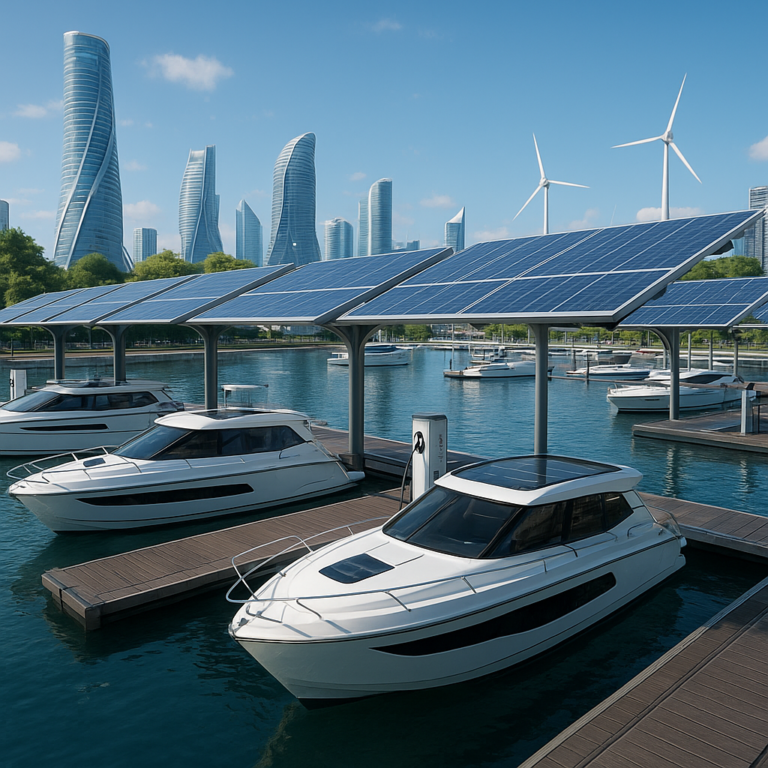
Electric propulsion can be quiet and convenient for certain trips, especially on sheltered waters or where local rules limit combustion engines. But range, battery weight, charging access, speed, and water conditions matter. A short lake outing is not the same engineering problem as an offshore passage.
Brands and technology providers include Mercury Marine’s Avator electric outboards and ePropulsion. Compare manufacturer specifications for the specific motor, battery, boat, load, speed, and conditions; headline range figures can change dramatically in real use.
| Consideration | Potential benefit | Question to resolve |
|---|---|---|
| Noise | Quieter operation | Is the electric setup powerful enough for your intended route? |
| Local restrictions | May suit waters with engine limitations | Are electric motors permitted, and what power limits apply? |
| Maintenance | Fewer conventional engine service items | Who supports the battery, controls, and proprietary components? |
| Range | Works well for some short trips | Is charging available at your launch and storage location? |
| Environmental impact | No tailpipe emissions while operating | What are the full equipment, charging, and battery-replacement considerations? |
Electric boats are a promising choice for the right mission, not a universal replacement for every gas-powered boat. Before buying, confirm local charging options and service support.
How Boat Clubs, Rentals, and Peer-to-Peer Sharing Could Grow
Shared access helps people try boating without immediately taking on storage and maintenance. Boat clubs, peer-to-peer rentals, guided trips, and traditional rental fleets can all reduce the ownership barrier, though availability and terms vary.
Companies such as Freedom Boat Club offer membership-based access in participating locations. Read the agreement carefully and ask about training, reservations, vessel availability, home-club rules, fuel, cleaning, damage responsibility, and peak-season restrictions.
For a first-time boater, shared access can be a smart test run. For an experienced owner who uses a boat every weekend, it may feel less convenient. The best option depends on your frequency of use, local availability, and appetite for maintenance.
Smarter Buying in a Market With Uneven Inventory
A softer market can give shoppers more time to compare, but available inventory doesn’t automatically mean a good deal. Inspect the actual boat, check the builder’s support network, and avoid rushing because a salesperson says another buyer is “on the way.”
The first video’s view of dealer inventory and manufacturer strain is a useful reminder to check who will service the boat after the sale. Its claims about specific closures and companies need confirmation from current, primary sources. For broader market context, follow the Boat Industry News category and compare industry reporting with company announcements.
For buyers considering an order or deposit:
- Confirm the builder, dealer, and warranty provider are clearly identified in writing.
- Ask how deposits are handled and what happens if delivery is delayed.
- Confirm parts and service availability in your region.
- Review the purchase agreement, delivery inspection, and cancellation terms.
- Get an independent inspection when buying used or when a vessel’s history is unclear.
The big question isn’t just whether people still want boats. It’s whether boating can remain accessible, safe, and supportable for the people who want to use them.
🧭 Is Boating Still Worth It? How to Decide if It’s Right for You
For many people, yes—but you don’t have to buy a boat to find out. Start with the kind of day you want, then choose the simplest way to make it happen.
A practical step-by-step way to start
- Pick an activity. Fishing, sailing, cruising, paddling, and watersports require different boats and skills.
- Try it locally. Rent, book a guided trip, take a lesson, or join a club.
- Check your waterway. Learn about launch access, operating rules, weather, and seasonal conditions.
- Take safety training. The BoatUS Foundation course and your state’s boating agency can help you build practical knowledge.
- Estimate the true cost. Include storage, fuel, maintenance, insurance, and transport.
- Only then compare ownership options. New, used, shared, and rental access each have different trade-offs.
- Choose a manageable first boat. Size and complexity should match your experience and the water you plan to use.
A small first boat or rental may teach you more than a long afternoon comparing glossy brochures. And if the boat you test feels like too much work, that’s not failure—it’s useful information. You may discover that your ideal boating life is a kayak, a club membership, or a few guided fishing trips each year.
So, is boating still popular? Yes—but the better answer is that people are finding more ways to boat, while becoming more selective about what they own. The next question is whether those new paths can make the water easier to reach without sacrificing safety, good service, or the simple joy of a day afloat.