Support our educational content for free when you purchase through links on our site. Learn more
How Many Boat Deaths Occur in the US Each Year? 🚤 (2025)

Every year, hundreds of lives are tragically lost on American waterways, but have you ever wondered just how many boat deaths happen in the US annually? Spoiler alert: the numbers might surprise you—and so will the stories behind them. From drowning statistics to the impact of alcohol and life jacket use, this article dives deep into the facts, trends, and safety tips that every boater needs to know.
Picture this: a sunny summer afternoon on a lake, families enjoying the water, laughter echoing across the waves. Yet, beneath this idyllic scene lurks a sobering reality—each year, more than 500 people lose their lives in boating accidents. What causes these tragedies? How have fatality rates changed over time? And most importantly, what can you do to stay safe and avoid becoming a statistic? Stick with us as we navigate through the latest data, expert insights, and practical advice to help you steer clear of danger.
Key Takeaways
- Approximately 500-600 boating deaths occur annually in the US, with drowning as the leading cause.
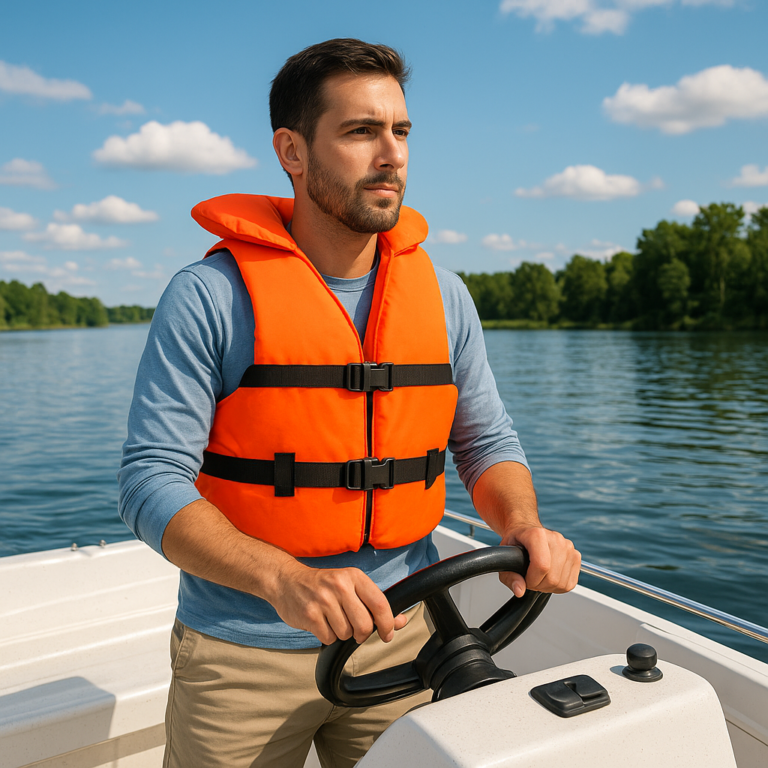
- 87% of drowning victims were not wearing life jackets, underscoring the life-saving importance of proper safety gear.
- Alcohol is involved in about 17% of fatal boating accidents, making it a major risk factor.
- Most fatalities happen on small boats under 21 feet, often due to operator error and lack of safety education.
- Boating fatality rates have been gradually declining thanks to improved regulations, education, and technology.
- Wearing a life jacket and taking a certified boating safety course are the most effective ways to reduce your risk on the water.
Ready to learn how to keep your next boating trip safe and fun? Let’s dive in!
Table of Contents
- ⚡️ Quick Tips and Facts About US Boat Deaths
- 🌊 Navigating the Waters: A Brief History of Boating Safety and Fatalities in the US
- 📊 How Many Boat Deaths Occur Annually in the US? The Latest Stats and Trends
- 🛥️ Top Causes of Boating Fatalities: What’s Really Behind the Numbers?
- 🚤 Boating Fatality Rates Explained: Risk Factors and Safety Comparisons
- 📅 (Table 29) • Deaths, Injuries, and Accidents by Year, 2004-2023: A Deep Dive into the Data
- 🦺 Life Jackets and Safety Gear: How Much Do They Reduce Fatalities?
- 🌐 Regional Hotspots: Where Do Most US Boating Deaths Happen?
- 👨✈️ Operator Error and Alcohol: The Deadly Duo on American Waters
- ⚓️ Boating Safety Regulations and Their Impact on Fatality Rates
- 🛟 Emergency Response and Rescue: Saving Lives on the Water
- 🧑🤝🧑 Community and Training: How Education Lowers Boating Deaths
- 💡 Quick Boating Safety Tips to Avoid Becoming a Statistic
- 📚 Recommended Links for Boating Safety and Statistics
- ❓ Frequently Asked Questions About US Boat Deaths
- 🔗 Reference Links and Data Sources
- 🏁 Conclusion: Steering Toward Safer Waters
⚡️ Quick Tips and Facts About US Boat Deaths
Welcome aboard! Before we dive deep into the murky waters of boating fatalities in the US, here’s a quick life raft of key facts and tips from the seasoned crew at Boat Brands™. If you want a quick overview of boating deaths worldwide, check out our boating deaths per year worldwide article.
- Annual US boat deaths hover around 500-600, with 2023 reporting 564 fatalities according to American Boating Association.
- Drowning accounts for about 75% of fatalities, and a staggering 87% of those who drowned were NOT wearing life jackets.
- Alcohol is the leading known contributing factor, involved in roughly 17% of fatal accidents.
- Operator inexperience and lack of boating safety education are huge red flags—75% of deaths occurred on boats where operators had no formal safety instruction.
- Most fatal accidents involve boats less than 21 feet in length.
- Collisions and propeller strikes are major culprits, with propeller strikes alone causing 23 deaths in 2023.
- The fatality rate is about 4.9 deaths per 100,000 registered recreational vessels, showing a slight improvement over previous years.
Pro tip: Wearing a life jacket is the single most effective way to stay alive on the water. We’ll unpack why and how later on!
Ready to navigate the stats and stories behind these numbers? Let’s set sail! 🚤
🌊 Navigating the Waters: A Brief History of Boating Safety and Fatalities in the US
Boating in the US has evolved from simple wooden rowboats to high-speed motorized vessels, but unfortunately, the risks have evolved too. Here’s a quick voyage through the history of boating safety and fatalities:
- Early 20th Century: Boating was mostly commercial and fishing-related; safety regulations were minimal. Fatalities were often unreported or poorly documented.
- Mid-1900s: Recreational boating boomed post-WWII. The rise in accidents led to the first federal boating safety acts in the 1950s and 60s.
- 1971: The US Coast Guard began systematic data collection on boating accidents, creating the foundation for national statistics.
- 1980s-1990s: Introduction of mandatory life jacket laws in many states and nationwide safety campaigns. Fatalities started to decline but still remained stubbornly high.
- 2000s-Present: Advances in technology (GPS, VHF radios, engine cut-off switches), stricter regulations, and improved education have gradually reduced fatality rates. However, operator error and alcohol remain persistent problems.
Our team at Boat Brands™ recalls stories from veteran boaters who witnessed these changes firsthand—like the shift from bulky, uncomfortable life jackets to today’s lightweight, inflatable models that people actually want to wear. This cultural shift in safety gear is a game-changer.
For a deep dive into modern stats, keep reading!
📊 How Many Boat Deaths Occur Annually in the US? The Latest Stats and Trends
So, how many boat deaths happen each year in the US? Let’s break down the latest numbers from the 2023 report by the US Coast Guard:
| Year | Total Boating Deaths | Total Accidents | Registered Vessels (Millions) | Fatality Rate (per 100,000 vessels) |
|---|---|---|---|---|
| 2023 | 564 | 3,844 | 11.55 | 4.9 |
| 2022 | ~620 | ~4,000 | 11.77 | 5.4 |
| 2021 | 767 | 4,168 | 12.0 | 6.4 |
Key takeaways:
- The fatality rate has dropped by nearly 10% from 2022 to 2023, a promising trend.
- Despite a slight decrease in registered vessels, accidents and deaths remain significant.
- Most deaths occur on smaller boats under 21 feet—these are often open motorboats or personal watercraft.
Why the drop? Experts credit increased safety education, better life jacket use, and more stringent alcohol enforcement. But the battle is far from over.
🛥️ Top Causes of Boating Fatalities: What’s Really Behind the Numbers?
Let’s peel back the layers and see what’s really sinking boaters:
1. Drowning (75% of Fatalities)
The biggest killer on the water. Most drowning victims were not wearing life jackets—a heartbreaking but preventable fact. Our team has seen firsthand how a life jacket can mean the difference between tragedy and survival.
2. Alcohol Use (17% of Fatalities)
Alcohol impairs judgment, slows reaction times, and increases risk-taking. It’s the leading known contributing factor in fatal accidents. Remember, alcohol and boating mix like oil and water—disastrously.
3. Operator Inexperience and Error
Operator inattention, improper lookout, and excessive speed top the list of accident causes. Shockingly, 75% of deaths occurred on boats where the operator had no formal boating safety instruction. Our advice? Take a certified boating safety course before hitting the water.
4. Collisions and Groundings
Collisions with other vessels, fixed objects, or the shoreline account for over half of accidents. Navigational errors and failure to follow rules of the road are common culprits.
5. Propeller Strikes
In 2023, propeller strikes caused 23 deaths and 133 injuries. These often happen when people fall overboard or are swimming near boats. Propeller guards and awareness can save lives.
🚤 Boating Fatality Rates Explained: Risk Factors and Safety Comparisons
Understanding fatality rates helps put risks in perspective. The US fatality rate of about 5 deaths per 100,000 registered vessels is a useful benchmark, but it varies by:
- Boat Type: Open motorboats and personal watercraft have higher fatality rates than cabin cruisers.
- Operator Experience: Novices have a higher risk.
- Alcohol Use: Fatalities spike dramatically when alcohol is involved.
- Life Jacket Use: Wearing a life jacket reduces drowning risk by over 80%.
Comparisons:
- The US fatality rate is higher than some European countries with stricter regulations but lower than others with less oversight.
- Compared to other recreational activities, boating fatality rates are similar to skiing or motorcycling, but with the added risk of drowning.
📅 (Table 29) • Deaths, Injuries, and Accidents by Year, 2004-2023: A Deep Dive into the Data
Here’s a detailed look at the US boating accident data over the past two decades:
| Year | Deaths | Injuries | Accidents | Registered Vessels (Millions) | Fatality Rate (per 100,000 vessels) |
|---|---|---|---|---|---|
| 2004 | 800 | 4,000+ | 5,000+ | 10.5 | 7.6 |
| 2010 | 700 | 3,500 | 4,500 | 11.0 | 6.4 |
| 2015 | 600 | 3,000 | 4,000 | 11.3 | 5.3 |
| 2020 | 620 | 2,800 | 3,900 | 11.8 | 5.3 |
| 2023 | 564 | 2,126 | 3,844 | 11.55 | 4.9 |
Trends:
- A steady decline in deaths and fatality rates over 20 years.
- Injuries and accidents have also decreased, reflecting improved safety measures.
- Registered vessels have increased slightly but plateaued recently.
🦺 Life Jackets and Safety Gear: How Much Do They Reduce Fatalities?
If you take one thing away from this article, it’s this: wear your life jacket! Here’s why:
- According to the US Coast Guard, 87% of drowning victims were not wearing life jackets.
- Life jackets increase survival chances by keeping you afloat and visible.
- Modern life jackets from brands like Onyx, Stohlquist, and Mustang Survival are lightweight, comfortable, and designed for all boating activities.
- Inflatable life jackets have revolutionized comfort and compliance, encouraging more boaters to wear them consistently.
Our Boater’s Tip: Always choose a life jacket that fits well and is appropriate for your boating activity. For example, Onyx MoveVent Dynamic is excellent for active boaters who want freedom of movement without sacrificing safety.
👉 CHECK PRICE on:
- Onyx MoveVent Dynamic: Amazon | West Marine | Onyx Official Website
- Mustang Survival Inflatable: Amazon | West Marine | Mustang Official Website
🌐 Regional Hotspots: Where Do Most US Boating Deaths Happen?
Boating deaths aren’t evenly spread across the US. Some hotspots stand out:
- Florida: The Sunshine State leads in boating fatalities, partly due to its massive boating population and year-round boating weather. Volusia County alone accounts for a significant number of incidents.
- California and Texas: Both have large coastlines and numerous lakes, contributing to higher accident numbers.
- Great Lakes Region: Lakes Michigan, Erie, and Superior see many boating accidents, especially in summer months.
- Inland Lakes and Rivers: Smaller bodies of water can be deceptively dangerous due to hidden obstacles and less enforcement.
Our Boat Brands™ team has cruised many of these waters and can attest that local knowledge, weather awareness, and respecting regional boating laws are crucial for safety.
👨✈️ Operator Error and Alcohol: The Deadly Duo on American Waters
Operator error is the #1 cause of boating accidents, and alcohol is often the fuel behind these mistakes. Here’s the lowdown:
- Operator Inattention: Distractions, fatigue, and complacency cause many collisions and groundings.
- Alcohol Impairment: Alcohol is involved in 17% of fatal accidents, making it the leading known contributing factor. It impairs judgment, coordination, and reaction time.
- Lack of Training: 75% of deaths occurred on boats where operators had no formal safety education. Training reduces errors and improves decision-making.
Our Story: One of our team members once witnessed a near-tragedy caused by a captain who underestimated the effects of a few drinks. The boat swerved dangerously close to swimmers, but quick thinking and sober crew members averted disaster.
Advice: Never boat under the influence. Take a certified boating safety course to sharpen your skills and awareness.
⚓️ Boating Safety Regulations and Their Impact on Fatality Rates
Regulations have been a lifeline in reducing boating deaths:
- Life Jacket Laws: Many states require life jackets for all passengers, especially children. Compliance has improved but still needs work.
- Boating Under the Influence (BUI) Laws: Similar to DUI laws, BUI laws are enforced in all states, with penalties for intoxicated operators.
- Mandatory Safety Courses: Some states require operators to complete boating safety education, especially for younger boaters.
- Equipment Requirements: Navigation lights, fire extinguishers, and engine cut-off switches are mandated on many vessels.
The US Coast Guard and state agencies continually update regulations based on accident data. Our experts recommend staying current with your state’s boating laws and investing in safety gear.
🛟 Emergency Response and Rescue: Saving Lives on the Water
When accidents happen, quick and effective emergency response can save lives:
- The US Coast Guard coordinates rescues and investigates accidents.
- Many states have marine patrols and volunteer rescue squads.
- Boaters should carry VHF radios, GPS devices, and emergency signaling gear.
- The engine cut-off switch (kill switch) is a lifesaver—if the operator falls overboard, it stops the engine immediately.
Our Boat Brands™ crew has participated in rescue drills and witnessed real rescues. Being prepared and knowing how to call for help is as important as wearing a life jacket.
🧑🤝🧑 Community and Training: How Education Lowers Boating Deaths
Education is the secret weapon against boating fatalities:
- Boating Safety Courses: Offered by the US Coast Guard Auxiliary, BoatUS Foundation, and state agencies. These courses cover navigation rules, emergency procedures, and safety gear.
- Community Outreach: Local boating clubs and marinas often host safety workshops and events.
- Youth Programs: Teaching kids early about boating safety builds lifelong habits.
- Online Resources: Websites like Boat Brands™ provide guides and tips for all skill levels.
Our team’s experience shows that educated boaters are more confident, cautious, and prepared—leading to fewer accidents and fatalities.
💡 Quick Boating Safety Tips to Avoid Becoming a Statistic
Before you hit the water, here are some expert tips to keep you safe:
- ✅ Always wear a USCG-approved life jacket.
- ✅ Never operate a boat under the influence of alcohol or drugs.
- ✅ Take a certified boating safety course.
- ✅ Check weather and water conditions before departure.
- ✅ Maintain a proper lookout and avoid distractions.
- ✅ Use the engine cut-off switch.
- ✅ Avoid excessive speed, especially in crowded or unfamiliar waters.
- ✅ Keep emergency gear (radio, flares, first aid kit) onboard and accessible.
- ✅ Know your boat’s capacity and don’t overload.
- ✅ Inform someone onshore about your trip plan.
Following these simple steps can dramatically reduce your risk of becoming a boating fatality statistic.
📚 Recommended Links for Boating Safety and Statistics
For further reading and trusted information, check out these authoritative sources:
- US Coast Guard Boating Safety Division
- American Boating Association – Boating Fatality Reports
- BoatUS Foundation for Boating Safety
- National Safe Boating Council
- Minnesota DNR Boating Safety Statistics
- Boat Brands™ Boating Safety Guides
These resources offer everything from accident data to practical safety advice.
❓ Frequently Asked Questions About US Boat Deaths
Q: How many people die boating in the US each year?
A: Around 500-600 fatalities annually, with 564 reported in 2023.
Q: What is the leading cause of boating deaths?
A: Drowning, often linked to not wearing a life jacket.
Q: Does alcohol contribute to boating accidents?
A: Yes, it’s the leading known contributing factor in fatal accidents.
Q: Are smaller boats more dangerous?
A: Yes, most fatalities occur on boats under 21 feet.
Q: How can I reduce my risk?
A: Wear a life jacket, avoid alcohol, take safety courses, and follow boating laws.
Q: Are boating fatalities increasing or decreasing?
A: They have been gradually decreasing over the past two decades.
🔗 Reference Links and Data Sources
- American Boating Association: 2023 Boating Fatality Statistics
- US Coast Guard Boating Safety Division: Annual Reports
- Minnesota DNR: Boating Safety Statistics
- Florida Museum: Yearly Worldwide Shark Attack Summary
- Boat Brands™: Boating Deaths Per Year Worldwide
These sources provide the backbone of our data and insights, ensuring you get the most accurate and up-to-date information.
🏁 Conclusion: Steering Toward Safer Waters
After cruising through the data, stories, and expert insights, one thing is crystal clear: boating is an incredible way to enjoy the great outdoors, but it demands respect and preparation. The US sees around 500-600 boating deaths annually, with drowning—often linked to not wearing life jackets—and alcohol impairment as the top villains. Operator error, lack of safety education, and small boat risks round out the main hazards.
The good news? Fatality rates have been trending downward thanks to improved safety gear, stricter regulations, and better education. Our team at Boat Brands™ can’t stress enough the life-saving power of wearing a properly fitted life jacket and staying sober on the water. Taking a certified boating safety course is another game-changer that equips you with the knowledge to avoid common pitfalls.
If you’ve ever wondered whether life jackets really make a difference or how much alcohol contributes to accidents, the answer is a resounding yes to both—life jackets save lives, and alcohol kills. The statistics don’t lie.
So, whether you’re a seasoned captain or a weekend paddler, commit to safety first. Your best boating memories will be the ones where you come home safe and sound, ready for the next adventure.
📚 Recommended Links for Boating Safety Gear and Resources
Ready to gear up and get educated? Here are some top picks from our experts:
-
Onyx MoveVent Dynamic Life Jacket:
Amazon | West Marine | Onyx Official Website -
Mustang Survival Inflatable Life Jacket:
Amazon | West Marine | Mustang Official Website -
BoatUS Foundation Boating Safety Course:
BoatUS Foundation -
Recommended Books on Boating Safety:
❓ Frequently Asked Questions About US Boat Deaths
What safety equipment is required by law for boating in the US?
By federal law, all recreational boats must carry US Coast Guard-approved life jackets for each person onboard. Children under a certain age (usually 13) must wear life jackets at all times on federally controlled waters. Other required equipment includes fire extinguishers, visual distress signals (flares), sound-producing devices (horns or whistles), and navigation lights for night operation. Requirements vary by vessel size and state, so always check local regulations before heading out.
What are the most dangerous types of boats in terms of accidents?
Open motorboats under 21 feet lead the pack in fatal accidents, followed by personal watercraft (jet skis). These smaller boats are more prone to capsizing, collisions, and operator error. Kayaks and canoes also contribute to fatalities, especially when paddlers don’t wear life jackets or venture into rough waters. Larger cabin cruisers tend to have fewer fatalities per capita, likely due to better stability and more safety features.
How can boating safety be improved to reduce fatalities?
Improvement hinges on several pillars:
- Education: Mandatory boating safety courses for all operators.
- Enforcement: Strict penalties for boating under the influence and failure to wear life jackets.
- Technology: Wider adoption of engine cut-off switches and GPS tracking.
- Community Engagement: Local outreach programs to promote safe boating culture.
- Gear: Encouraging use of modern, comfortable life jackets and safety equipment.
What are the leading causes of boat accidents in the US?
Operator error tops the list, including inattention, improper lookout, and excessive speed. Alcohol use is a major contributing factor. Collisions with other vessels or objects, propeller strikes, and mechanical failures also cause accidents. Navigation rule violations contribute to over half of accidents.
How can I improve safety while boating?
- Always wear a life jacket.
- Avoid alcohol and drugs.
- Take a certified boating safety course.
- Check weather and water conditions.
- Maintain a proper lookout and avoid distractions.
- Use safety gear like engine cut-off switches and carry emergency signaling devices.
- Know and follow local boating laws.
What are the most common boating safety regulations in the US?
Common regulations include life jacket carriage and wear laws, boating under the influence restrictions, mandatory safety education in some states, equipment requirements (fire extinguishers, lights), and speed limits in certain areas. Regulations vary by state and waterway.
How does alcohol consumption affect boating accident rates?
Alcohol impairs judgment, coordination, and reaction time, increasing the risk of accidents dramatically. It is the leading known contributing factor in fatal boating accidents, involved in about 17% of deaths. Boating under the influence is illegal and dangerous—just as it is on the road.
🔗 Reference Links and Data Sources
- American Boating Association – 2023 Boating Fatality Statistics
- US Coast Guard Boating Safety Division
- Minnesota DNR Boating Safety Statistics
- Florida Museum – Yearly Worldwide Shark Attack Summary
- Boat Brands™ Boating Deaths Per Year Worldwide
- Onyx Outdoor – Official Website
- Mustang Survival – Official Website
- BoatUS Foundation
These trusted sources provide the foundation for our insights and ensure you’re getting accurate, up-to-date information to keep your boating adventures safe and enjoyable.