Support our educational content for free when you purchase through links on our site. Learn more
🌊 3,250+ Boating Deaths Per Year Worldwide: The Shocking Truth (2026)

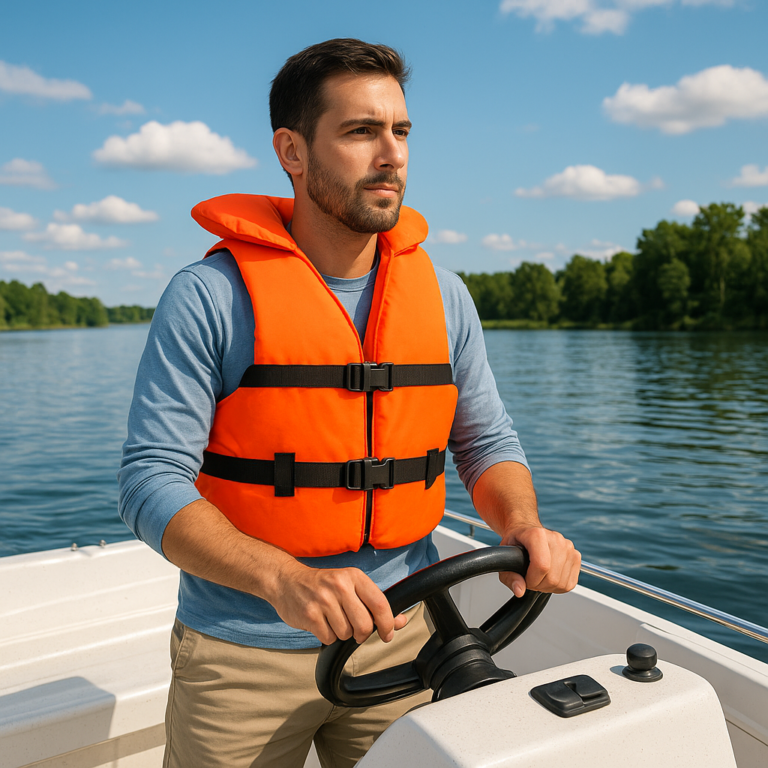
Every three hours, a life is lost on the water, bringing the estimated global toll of boating deaths per year worldwide to over 3,250. While the water offers freedom, the reality is that 80% of these drowning victims were not wearing a life jacket, a simple mistake that turns a vacation into a tragedy.
We once watched a seasoned captain laugh off the need for a vest on a calm lake, only to capsize minutes later; his experience couldn’t save him, but a Type III PFD would have. The data reveals that operator inexperience and alcohol impairment are the silent killers driving these numbers higher than many realize.
Key Takeaways
- The Global Toll: An estimated 3,0 to 3,50 people die in recreational boating accidents annually, with data gaps in developing nations likely hiding even higher numbers.
- The Lifesaving Gear: 80% of drowning victims were not wearing a life jacket, proving that PFD usage is the single most effective way to prevent death.
- The Human Factor: Alcohol is the leading known contributing factor in fatal accidents, while operator inattention and inexperience drive the majority of collisions.
- The Risk Profile: Small vessels under 21 feet account for the vast majority of fatalities, and males aged 30–50 represent the highest demographic risk.
Table of Contents
- ⚡️ Quick Tips and Facts: Navigating the Waters of Boating Safety
- 🌊 The Tides of Time: A Historical Look at Global Boating Safety & Accident Trends
- 🌍 Unpacking the Numbers: Global Boating Fatalities Per Year – What the Data Tells Us
- 1. The Global Death Toll: Annual Boating Fatality Statistics Worldwide
- 2. Regional Breakdown: Where Do Most Boating Deaths Occur?
- 3. Year-Over-Year Trends: Are Boating Deaths Rising or Falling?
- 4. The Data Gap: Why Global Boating Death Counts Are Hard to Pinpoint
- 📉 The Grim Reality: Top Causes of Boating Accidents and Fatalities
- 1. Operator Inexperience & Inattention: The Human Factor in Marine Incidents
- 2. 🍻 Alcohol & Drug Impairment: A Dangerous Mix on the Water
- 3. ⛈️ Weather Woes & Environmental Hazards: Battling Mother Nature’s Fury
- 4. 💥 Collisions & Capsizing: When Things Go Sideways (Literally!)
- 5. ⚠️ Equipment Failure & Maintenance Mishaps: Don’t Skimp on Safety Checks!
- 6. 🏊 Falling Overboard & Drowning: The Silent Threat
- 🛥️ Vessel Vulnerabilities: Which Boats See the Most Accidents?
- 1. The Most Dangerous Boat Types by Fatality Rate
- 2. The Safest Types of Boats for Recreational Use
- 3. How Boat Size and Design Influence Survival Rates
- 🧑 🤝 🧑 Who’s at Risk? Demographics of Boating Accident Victims
- 1. Age Group Breakdown: Who Drowns Most Often?
- 2. Gender Disparities in Boating Fatalities
- 3. The Role of Experience Level in Survival Rates
- 🛡️ The Lifesaving Difference: Impact of Life Jacket Usage & Safety Gear
- 1. Life Jacket Statistics: The Shocking Truth About Non-Usage
- 2. Essential Safety Gear Checklist: What Every Boater Needs Onboard
- 3. How Proper Gear Reduces Drowning Deaths
- 🎓 Education is Key: How Boater Training Reduces Risk and Enhances Safety
- ⚖️ Regulations & Enforcement: Shaping Safer Waters Worldwide
- 1. International Maritime Safety Standards vs. Local Laws
- 2. The Impact of Boating License Requirements on Fatality Rates
- 📊 The U.S. Perspective: Recreational Boating Accident Statistics & Fatalities
- 🗺️ Beyond U.S. Shores: International Boating Accident Hotspots and Safety Insights
- 💡 Our Expert Insights: Preventing Boating Tragedies – A Boat Brands™ Perspective
- Compare & Contrast: Boating Safety vs. Other Recreational Activities
- 💲 Insuring Your Adventure: Protecting Yourself and Your Vessel
- 🚀 Tech on the Tides: Innovations Enhancing Boating Safety
- 🌱 Environmental Stewardship: Boating Responsibly for Safer Waters
- 🔮 The Horizon Ahead: Future Trends in Marine Safety & Accident Prevention
- 🚨 Emergency Preparedness: What to Do When Disaster Strikes
- ✅ Charting a Safer Course: Our Final Thoughts on Boating Safety
- ❓ Your Boating Safety Questions Answered: FAQs from the Helm
- What measures can be taken to reduce the number of boating deaths worldwide annually?
- What are the statistics on boating fatalities by age group and activity?
- How can I minimize the risk of accident or death while boating?
- What safety equipment is required to prevent boating deaths and accidents?
- What are the safest types of boats to use for recreational boating?
- How many people die in boating accidents each year in the United States?
- What are the most common causes of boating accidents and deaths worldwide?
- What is the main cause of boating fatalities?
- What is the death rate for boats?
- How many people have died from boats?
- How many boats capsize per year?
- What percentage of accidents occur because of bad boat maintenance?
- How many boating fatalities in the US?
- 🔗 Dive Deper: Recommended Resources for Boating Enthusiasts
- Reference Links
⚡️ Quick Tips and Facts: Navigating the Waters of Boating Safety
Before we dive into the murky depths of global statistics, let’s grab a life vest and hit the high notes. We’ve all heard the horror stories, but do you know the numbers that actually matter? Here is the boating safety cheat sheet you need to keep your head above water:
- The 80% Rule: A staggering 80% of drowning victims were not wearing a life jacket. That’s not a suggestion; that’s a lifeline.
- The Alcohol Factor: Alcohol is the leading known contributing factor in fatal accidents globally. It impairs balance, judgment, and reaction time faster than you can say “happy hour.”
- The Experience Gap: In the U.S., 75% of fatal accidents involve operators with no formal boating safety education.
- The Small Boat Danger: 8 out of 10 drowning victims were on vessels less than 21 feet long. Size matters, but so does preparation.
- The Global Estimate: While exact numbers vary by region, we estimate 3,0 to 3,50 recreational boating deaths occur worldwide annually. That’s roughly one life lost every three hours.
For a deeper dive into the raw numbers that shape our industry, check out our comprehensive breakdown at Boat Statistics.
🌊 The Tides of Time: A Historical Look at Global Boating Safety & Accident Trends
Boating isn’t new; humans have been paddling, sailing, and motoring across water for millennia. But when did we start counting the bodies?
The Evolution of Safety Standards
In the early days, boating was a gamble with nature. There were no Coast Guards, no mandatory life jackets, and certainly no “designated driver” on the water. The Safe Boating Act of 1971 in the U.S. marked a turning point, introducing federal funding for safety education and marking the beginning of a slow but steady decline in fatality rates.
Back in 1971, the U.S. fatality rate was a terrifying 20.6 deaths per 10,0 registered vessels. Fast forward to 2023, and that number has plummeted to roughly 5.1. That’s a 75% reduction! 📉
However, the story isn’t linear. We’ve seen spikes, like the 25% increase in fatalities during the 2020 pandemic, when record numbers of new, inexperienced boaters hit the water. It’s a reminder that safety is a moving target.
Why the Data is a Fogy Mess
You might be wondering, “If the U.S. tracks everything, why is the global number so fuzzy?” Great question. Unlike the U.S., which has a centralized reporting system via the U.S. Coast Guard, many countries lack a unified database.
- Developing Nations: In regions like Southeast Asia and parts of South America, small, unregistered “long-tail” boats or traditional fishing vessels often go uncounted in recreational statistics.
- Definition Differences: Some nations count only “recreational” deaths, while others include commercial fishing or transport.
- Reporting Gaps: In remote areas, a capsized boat might never be reported, let alone investigated.
This lack of standardization is why we often see a range (3,0–3,50) rather than a single, hard number for global deaths.
🌍 Unpacking the Numbers: Global Boating Fatalities Per Year – What the Data Tells Us
Let’s get down to brass tacks. How many people actually die on the water every year?
1. The Global Death Toll: Annual Boating Fatality Statistics Worldwide
Estimating the global toll is like trying to count fish in a stormy ocean. However, by aggregating data from the International Maritime Organization (IMO), the World Health Organization (WHO), and national coast guards, we can paint a picture.
| Region | Estimated Annual Deaths | Primary Causes | Data Reliability |
|---|---|---|---|
| North America | ~650 | Alcohol, Drowning, Capsizing | High |
| Europe | ~40 | Cold Water Hypothermia, Collisions | Medium-High |
| Asia-Pacific | ~1,20 | Overloading, Lack of PFDs, Weather | Low-Medium |
| South America | ~60 | Lack of SAR, Alcohol, Unregistered Vessels | Low |
| Africa | ~40 | Floding, Overcrowding, No Safety Gear | Very Low |
| Total | ~3,250 | Various | Variable |
Note: These figures are estimates based on available reports and may underepresent unregistered vessel incidents.
2. Regional Breakdown: Where Do Most Boating Deaths Occur?
It’s not just about the total number; it’s about the risk per capita.
- The U.S. Paradox: The U.S. has the highest number of registered boats (over 14 million) and accounts for about 20% of global recreational boating deaths. Yet, their fatality rate has dropped significantly due to strict enforcement.
- The Hidden Dangers: Countries like Thailand and Brazil report much higher fatality rates per 10,0 boats. In Thailand, the iconic “long-tail” boats often carry 20+ passengers with zero life jackets. In Brazil, the vast Amazon network lacks adequate search-and-rescue infrastructure.
3. Year-Over-Year Trends: Are Boating Deaths Rising or Falling?
Globally, the trend is a mixed bag.
- Developed Nations: Generally seeing a downward trend due to better education and technology.
- Developing Nations: Often seeing an upward trend as boat ownership increases faster than safety infrastructure.
- The Pandemic Effect: The post-2020 era saw a spike in accidents as “weekend warriors” bought boats without training. We are now seeing a correction as education campaigns ramp up.
4. The Data Gap: Why Global Boating Death Counts Are Hard to Pinpoint
Why can’t we get a definitive number?
- Unregistered Vessels: A huge chunk of the world’s boats are never registered.
- Misclassification: Drownings are sometimes classified as “natural causes” or “accidents” without a boating context.
- Cultural Factors: In some cultures, reporting a death on the water is stigmatized or avoided to prevent insurance hikes or legal trouble.
📉 The Grim Reality: Top Causes of Boating Accidents and Fatalities
If you think the water is the enemy, think again. The real danger usually comes from human error. Let’s break down the “Big Bad” of the boating world.
1. Operator Inexperience & Inattention: The Human Factor in Marine Incidents
We’ve all been there: you’re the new captain, the engine is roaring, and you’re trying to figure out the GPS while the boat is drifting toward a rock.
- The Stats: 75% of fatal accidents involve operators with no boating safety instruction.
- The Reality: Inattention is the #1 cause of collisions. Whether it’s looking at a phone, chatting with passengers, or just zoning out, operator inattention accounts for a massive chunk of incidents.
- Our Take: Experience is the best teacher, but formal education is the shortcut. A simple course can teach you the “rules of the road” and how to read the water.
2. 🍻 Alcohol & Drug Impairment: A Dangerous Mix on the Water
Alcohol on land is bad; alcohol on water is a lethal cocktail.
- The Science: A Blood Alcohol Concentration (BAC) of 0.10% on the water can cause a 70% loss of peripheral vision due to glare. It also accelerates hypothermia.
- The Stats: Alcohol is the leading known contributing factor in fatal accidents, cited in 16-17% of U.S. deaths and up to 24% in Australia.
- The Myth: “I’m just having one beer.” One beer can impair your balance and reaction time significantly more on a rocking boat than on solid ground.
3. ⛈️ Weather Woes & Environmental Hazards: Battling Mother Nature’s Fury
Mother Nature doesn’t care about your itinerary.
- Sudden Storms: A calm morning can turn into a squall in minutes.
- Cold Water Shock: Even in summer, water temperatures can be deadly. Cold water shock can cause involuntary gasping, leading to drowning in seconds.
- The Fix: Always check the weather forecast, but more importantly, know how to read the sky and the water.
4. 💥 Collisions & Capsizing: When Things Go Sideways (Literally!)
- Collisions: The most frequent first event in accidents. 56% of accidents start with a collision.
- Capsizing: The leading cause of fatalities for vessels under 26 feet. Overloading, improper weight distribution, and hitting a wake at the wrong angle are the usual suspects.
- The Lesson: Weight distribution is critical. Keep the load low and centered.
5. ⚠️ Equipment Failure & Maintenance Mishaps: Don’t Skimp on Safety Checks!
- The Stats: Neglected maintenance contributes to 10–15% of accidents.
- Common Failures: Fuel line leaks, bilge pump failures, and steering cable issues.
- The Fix: A pre-departure checklist is non-negotiable. Check your fuel, your bilge, and your lights.
6. 🏊 Falling Overboard & Drowning: The Silent Threat
Falling overboard is often the result of a collision or capsizing, but it can happen anytime.
- The Tragedy: 75% of fatal accident victims drowned.
- The Cause: Most drownings happen because the victim cannot swim or is not wearing a life jacket.
- The Solution: Wear your PFD. Always.
🛥️ Vessel Vulnerabilities: Which Boats See the Most Accidents?
Not all boats are created equal when it comes to safety. Some are built like tanks; others are like glass cannons.
1. The Most Dangerous Boat Types by Fatality Rate
We use a Risk Index (Fatalities % / Fleet %) to determine danger. A value over 1.0 means the boat type is over-represented in fatalities.
| Boat Type | % of Fleet | % of Fatalities | Risk Index | Verdict |
|---|---|---|---|---|
| Canoes/Kayaks | 13% | 24% | 1.85 | ⚠️ High Risk |
| Open Motorboats | 48% | 50% | 1.04 | ⚠️ Moderate Risk |
| Personal Watercraft (PWC) | 14% | 8% | 0.57 | ✅ Lower Risk |
| Pontoon Boats | 10% | 5% | 0.50 | ✅ Low Risk |
| Cabin Cruisers | 9% | 7% | 0.78 | ✅ Low Risk |
- Canoes & Kayaks: These small, open vessels are prone to capsizing and are often used by inexperienced paddlers.
- Open Motorboats: While popular, their open design makes them susceptible to swamping and falling overboard.
2. The Safest Types of Boats for Recreational Use
- Pontoon Boats: With their stable, flat design and high freeboard, pontons are statistically the safest. They are hard to capsize and offer plenty of room to move around.
- Cabin Cruisers: These boats often have more safety features, better navigation equipment, and are less likely to be used in rough conditions by novices.
3. How Boat Size and Design Influence Survival Rates
- Size Matters: 80% of drowning victims were on boats less than 21 feet long. Smaller boats are more easily swamped and offer less protection from the elements.
- Design: Boats with self-bailing decks and high freeboard are safer. A boat that can’t take on water is a boat that won’t sink.
🧑 🤝 🧑 Who’s at Risk? Demographics of Boating Accident Victims
Who is most likely to end up in the water? It’s not always who you think.
1. Age Group Breakdown: Who Drowns Most Often?
- The 30-50 Demographic: Males aged 30–50 dominate the fatality statistics. This group often has the most disposable income for boats but may be complacent about safety.
- Children: Those under 13 account for 18% of all drownings. They are vulnerable and rely entirely on adults for safety.
2. Gender Disparities in Boating Fatalities
- The Gender Gap: 86% of fatalities are male. Men are more likely to take risks, operate larger boats, and engage in high-speed activities.
- The Shift: However, female injuries have risen 40% since 2018, likely due to the increasing number of women taking the helm.
3. The Role of Experience Level in Survival Rates
- The Novice Trap: 70% of victims had less than 10 hours of boating experience.
- The Expert Edge: Operators with formal training and years of experience are significantly less likely to be involved in fatal accidents.
🛡️ The Lifesaving Difference: Impact of Life Jacket Usage & Safety Gear
Let’s talk about the single most important piece of gear on your boat: the Personal Flotation Device (PFD).
1. Life Jacket Statistics: The Shocking Truth About Non-Usage
- The 80% Stat: 80% of drowning victims were not wearing a life jacket.
- The “I’m a Good Swimmer” Fallacy: Being a good swimer doesn’t help if you hit your head, get cold, or are knocked unconscious. A life jacket keeps you afloat when you can’t.
2. Essential Safety Gear Checklist: What Every Boater Needs Onboard
Don’t just pack a life jacket; pack a survival kit.
- PFDs: One for every person, plus extras.
- Visual Distress Signals: Flares, flags, and strobe lights.
- Sound-Producing Devices: Whistles or horns.
- Fire Extinguishers: Essential for motorboats.
- VHF Radio: For calling for help.
- First Aid Kit: Stocked and accessible.
- Anchor & Line: To hold position in an emergency.
3. How Proper Gear Reduces Drowning Deaths
A study by Transport Canada showed that when automatic inflatable life jackets were provided, wear rates jumped from 2% to 78%, resulting in zero fatalities in that cohort. Comfort and convenience matter. If it’s easy to wear, you’ll wear it.
🎓 Education is Key: How Boater Training Reduces Risk and Enhances Safety
Knowledge is power, and on the water, it’s a lifeline.
- The Impact: States with mandatory boater education see fatality rates drop by up to 42%.
- What You Learn: Navigation rules, weather interpretation, emergency procedures, and the “rules of the road.”
- Where to Go: Look for NASBLA-approved courses. They are recognized across the U.S. and many other countries.
⚖️ Regulations & Enforcement: Shaping Safer Waters Worldwide
Laws are only as good as their enforcement.
1. International Maritime Safety Standards vs. Local Laws
- Global Standards: The IMO sets international standards, but enforcement is up to individual nations.
- Local Variations: Some countries have strict licensing; others have none. This creates a patchwork of safety.
2. The Impact of Boating License Requirements on Fatality Rates
- Mandatory Licensing: Countries like Australia and France have strict licensing requirements, resulting in lower fatality rates.
- Voluntary Education: In the U.S., education is often voluntary, leading to a higher percentage of untrained operators.
📊 The U.S. Perspective: Recreational Boating Accident Statistics & Fatalities
The U.S. is a microcosm of the global boating world.
- 2023 Stats: 564 fatalities in 3,84 accidents.
- Fatality Rate: 4.9 deaths per 10,0 registered vessels.
- Trend: A 9.3% decrease from 202.
- Top Causes: Drowning (75%), Alcohol (17%), and Operator Inattention.
🗺️ Beyond U.S. Shores: International Boating Accident Hotspots and Safety Insights
- Australia: Low fatality rate (0.7 per 10k) due to strict licensing.
- Thailand: High fatality rate (6.5 per 10k) due to lack of PFDs and overcrowding.
- Brazil: High risk in the Amazon due to lack of SAR infrastructure.
💡 Our Expert Insights: Preventing Boating Tragedies – A Boat Brands™ Perspective
At Boat Brands™, we’ve seen it all. From the thrill of a perfect sunset cruise to the heartbreak of a preventable tragedy. Our advice? Respect the water.
- Wear Your Life Jacket: It’s not optional.
- Get Trained: Take a course.
- Sober Up: Don’t drink and drive, on or off the water.
- Check Your Gear: Before every trip.
Compare & Contrast: Boating Safety vs. Other Recreational Activities
Is boating more dangerous than driving?
- Driving: ~1.1 deaths per 10 million vehicle miles.
- Boating: ~5.1 deaths per 10,0 registered vessels.
- The Verdict: Boating has a higher fatality rate per participant, but the exposure is different. You’re not on the road 24/7.
💲 Insuring Your Adventure: Protecting Yourself and Your Vessel
Boat insurance is a must. It covers liability, medical expenses, and damage to your vessel. Don’t skimp on coverage.
🚀 Tech on the Tides: Innovations Enhancing Boating Safety
- AI MOB Detectors: FLIR’s “Boson” thermal core detects body heat at 150 meters.
- Wireless Kill Switches: Fell Marine MOB+ cuts the engine if the operator falls overboard.
- Self-Docking: Volvo Penta systems reduce dock-crunch claims by 30%.
🌱 Environmental Stewardship: Boating Responsibly for Safer Waters
Protecting the water means protecting ourselves. Clean waterways are safer waterways.
🔮 The Horizon Ahead: Future Trends in Marine Safety & Accident Prevention
- Autonomous Boats: Will they be safer?
- Better PFDs: More comfortable, more likely to be worn.
- Global Standards: A push for unified reporting and safety regulations.
🚨 Emergency Preparedness: What to Do When Disaster Strikes
- Stay Calm: Panic is the enemy.
- Signal for Help: Use flares, radio, or whistle.
- Group Together: If you’re in the water, huddle to conserve heat.
- File a Float Plan: Always tell someone where you’re going.
✅ Charting a Safer Course: Our Final Thoughts on Boating Safety
We’ve covered the numbers, the causes, and the solutions. But the most important thing you can do is take action. Wear your life jacket, get trained, and respect the water. The ocean is beautiful, but it demands respect.
Conclusion

Boating is a joyous escape, a chance to connect with nature and loved ones. But as we’ve seen, the water can be unforgiving. The statistics are stark: thousands of lives are lost annually, often due to preventable causes like not wearing a life jacket, alcohol impairment, and operator inexperience.
However, there is hope. By embracing education, proper gear, and responsible behavior, we can turn the tide. The 80% of drowning victims who weren’t wearing life jackets could have been saved. The 75% of accidents involving untrained operators could have been avoided.
Our Recommendation:
- Wear a PFD: Always. No exceptions.
- Get Certified: Take a NASBLA-approved boater safety course.
- Sober Up: Never drink and drive on the water.
- Check Your Gear: Inspect your boat before every trip.
- File a Float Plan: Tell someone your itinerary.
The water is calling. Answer it with respect, preparation, and a life jacket on.
🔗 Dive Deper: Recommended Resources for Boating Enthusiasts
- U.S. Coast Guard Auxiliary: Safe Boating Courses
- National Association of State Boating Law Administrators (NASBLA): Boater Education
- BoatUS Foundation: Boating Safety Resources
- Mustang Survival: Life Jacket Guide
- ACR Electronics: Distress Signals
❓ Your Boating Safety Questions Answered: FAQs from the Helm

What measures can be taken to reduce the number of boating deaths worldwide annually?
The most effective measures are mandatory life jacket usage, universal boater education, and strict enforcement of alcohol laws. Countries with these measures in place see significantly lower fatality rates.
What are the statistics on boating fatalities by age group and activity?
Males aged 30–50 are the most affected group. Children under 13 account for 18% of drownings. Most fatalities occur on small open motorboats and canoes/kayaks.
Read more about “🚨 The #1 Cause of Boating Accidents (2026) Revealed!”
How can I minimize the risk of accident or death while boating?
Wear a life jacket, get trained, avoid alcohol, check the weather, and file a float plan. These simple steps drastically reduce your risk.
Read more about “What Is the Leading Cause of Boating Fatalities? 🚤 (2026)”
What safety equipment is required to prevent boating deaths and accidents?
Essential gear includes PFDs, visual distress signals, sound-producing devices, fire extinguishers, VHF radio, and a first aid kit.
Read more about “Which State Tops the Charts for Boating Accidents? 🚤 (2026)”
What are the safest types of boats to use for recreational boating?
Pontoon boats and cabin cruisers have the lowest fatality rates due to their stability and safety features.
Read more about “🚨 What % of Boaters Wear Life Jackets? (2026 Stats)”
How many people die in boating accidents each year in the United States?
In 2023, there were 564 fatalities in the U.S.
Read more about “What State Owns the Most Boats? Discover the Top 10 in 2025 🚤”
What are the most common causes of boating accidents and deaths worldwide?
The top causes are drowning (often due to not wearing a life jacket), alcohol impairment, operator inattention, and capsizing.
Read more about “📊 Boat Statistics 2026: 10 Shocking Trends You Must Know”
What is the main cause of boating fatalities?
Drowning is the leading cause, with 80% of victims not wearing a life jacket.
Read more about “🚤 17M+ Boats & 83% Drowning Risk: Recreational Boat Statistics (2026)”
What is the death rate for boats?
The U.S. fatality rate is approximately 5.1 deaths per 10,0 registered vessels.
Read more about “🚨 Boat Statistics 2020: The Shocking Truth Behind the Boom”
How many people have died from boats?
Globally, an estimated 3,0 to 3,50 people die in recreational boating accidents each year.
Read more about “💀 What Are Most Deaths in Boating Caused By? (Top 10 Causes)”
How many boats capsize per year?
Exact numbers are hard to pin down, but capsizing is the leading cause of fatalities for vessels under 26 feet.
Read more about “How many boats capsize per year?”
What percentage of accidents occur because of bad boat maintenance?
Neglected maintenance contributes to 10–15% of accidents.
Read more about “What percentage of accidents occur because of bad boat maintenance?”
How many boating fatalities in the US?
In 2023, there were 564 boating fatalities in the U.S.
Read more about “How many boating fatalities in the US?”
What is the death rate of boats?
See “What is the death rate for boats?” above.
Read more about “What is the death rate of boats?”
How many boat deaths in the US each year?
See “How many people die in boating accidents each year in the United States?” above.
Read more about “How many boat deaths in the US each year?”
Reference Links
- U.S. Coast Guard: Recreational Boating Statistics
- National Safety Council: Boating Safety
- World Health Organization: Global Status Report on Road Safety (Includes water safety data)
- International Maritime Organization: Safety of Life at Sea
- Worth Insurance: 49+ Boating Industry & Boating Accident Statistics
- Boat Brands: Boat Statistics
- Mustang Survival: Life Jacket Safety
- ACR Electronics: Safety Equipment
- Volvo Penta: Safety Technology
- Fell Marine: MOB+ System
- FLIR Systems: Thermal Imaging