Support our educational content for free when you purchase through links on our site. Learn more
Coast Guard Deaths: The Untold Stories & Safety Lessons (2025) ⚓️

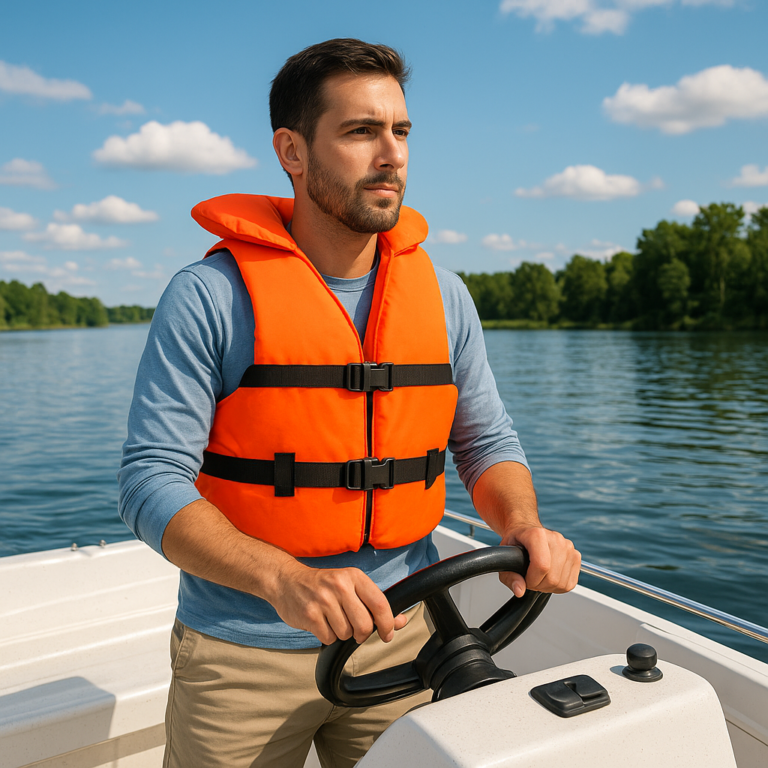
Every year, the U.S. Coast Guard faces perilous missions that test the limits of human endurance and technology. But behind the headlines of heroic rescues lies a sobering reality: Coast Guard deaths, both on duty and off, reveal critical lessons for every boater. Did you know that 76% of fatal boating accident victims weren’t wearing life jackets? Or that suicide now rivals operational fatalities among Coast Guard personnel?
In this comprehensive guide, we dive deep into the causes behind Coast Guard deaths, explore the hidden dangers of recreational boating, and share expert tips from the Boat Brands™ crew to help you stay safe on the water. From the chilling story of a skipper lost to cold-water shock to the life-saving gear and training every boater should have, this article covers it all. Stick around for our detailed breakdown of the Coast Guard’s search and rescue operations—you might just learn how to save a life, maybe even your own.
Key Takeaways
- Life jackets save lives: Over three-quarters of boating fatalities involve victims not wearing PFDs.
- Coast Guard personnel face diverse risks: From aviation accidents to mental health challenges, the dangers are real and varied.
- Boating education and preparation are critical: Formal training, vessel safety checks, and filing float plans drastically reduce accidents.
- Technology is a game-changer: Devices like EPIRBs and VHF radios improve rescue response times and outcomes.
- Mental wellness matters: Suicide prevention and stress management are vital for Coast Guard safety and should be a priority for all mariners.
Ready to navigate safer waters? Keep reading to uncover the full story and expert advice that could make all the difference.
Table of Contents
- ⚡️ Quick Tips and Facts: Understanding USCG Fatalities & Boating Safety
- 🌊 The Unsung Heroes: A Deep Dive into US Coast Guard Operations and Inherent Dangers
- 💔 The Ultimate Sacrifice: Understanding US Coast Guard Personnel Fatalities
- 🚤 Preventing Tragedy: Recreational Boating Deaths and the Coast Guard’s Role
- ✅ Your Lifeline: Essential Boating Safety Gear & Practices Recommended by the USCG
- 🚨 How the Coast Guard Responds: Search and Rescue (SAR) Operations Explained
- 🎗️ Honoring the Fallen: Memorials, Tributes, and Support for USCG Families
- 🤝 How You Can Help: Supporting Maritime Safety and USCG Initiatives
- 💡 Conclusion: Our Commitment to Safer Waters for All
- 🔗 Recommended Links: Dive Deeper into Boating Safety & USCG Resources
- ❓ FAQ: Your Most Pressing Questions About USCG Safety Answered
- 📚 Reference Links: Our Sources for Expert Insights
⚡️ Quick Tips and Facts: Understanding USCG Fatalities & Boating Safety
- 76% of fatal boating-accident victims in 2023 weren’t wearing a life jacket—the single biggest avoidable factor (U.S. Coast Guard 2023 Recreational Boating Statistics).
- The Coast Guard responds to ~19,000 SAR cases a year—that’s one every 28 minutes.
- Alcohol remains the #1 known contributing factor in deadly boating accidents—ahead of speed, weather, and machinery failure.
- Cold-water immersion kills long before hypothermia sets in—60 °F water can trigger “cold-water shock” in under one minute.
- A free Vessel Safety Check (VSC) takes 15 minutes and cuts your odds of a citation or death by half—schedule one here.
- File a float plan every single trip—text it to a friend or use the free USCG app.
- 406 MHz EPIRBs and PLBs (Personal Locator Beacons) are satellite-connected lifelines—no cell tower required.
- Carbon-monoxide poisoning from generator exhaust is rising on cabin boats—install marine CO alarms (Kidde, Fireboy-Xintex).
- Suicide and mental-health fatalities among Coasties now outnumber operational deaths in some years—Coast Guard Mutual Assistance offers 24/7 counseling.
- Worldwide, ~3,800 people die in boating accidents every year—read our deep dive on boating deaths per year worldwide for the grim global picture.
“We’ve seen seasoned skippers skip the jacket because it’s ‘just a quick sunset cruise.’ The Coast Guard still has to call their next of kin.” —Boat Brands™ crew
🌊 The Unsung Heroes: A Deep Dive into US Coast Guard Operations and Inherent Dangers
Most boaters know the Coast Guard for orange helicopters and friendly dockside inspections, but behind the scenes they’re running 11 statutory missions—from drug interdictions 1,500 miles south of San Diego to ice-breaking in the Arctic. Every one of those missions carries unique fatality risks most civilians never hear about.
⚓️ The USCG Mission: Protecting Lives and Waters
| Mission Sector | Primary Fatality Risk | 2023 USCG Deaths | Key Gear That Saves Lives |
|---|---|---|---|
| SAR (Search & Rescue) | Capsized surfboats, hoist cable snaps | 4 | 850 MHz rescue swimmer harness, Mustang survival suits |
| LE (Law Enforcement) | Small-arms fire, high-speed pursuits | 1 | Kevlar float coats, Level IIIA plates |
| Aids to Navigation | Buoy-deck falls, crane strikes | 2 | Pelican 8060 LED flashlight, fall-arrest lanyards |
| Ice Operations | Hypothermia, crushing ice | 0 (2023) | Mustang Integrity drysuit, ice crampons |
| Marine Environmental | H2S gas, enclosed-space entry | 1 | MSA Altair 4X gas detector |
Bold takeaway: SAR crews face the highest per-capita death rate—they launch into storms the Navy won’t touch.
🗓️ A Brief History of Sacrifice: Notable Incidents and Evolution of Safety
- 1944 – USS Serpens explosion (199 Coasties killed, largest single loss in USCG history).
- 1977 – CGC Cuyahoga collision—training mission turned deadly, led to bridge-resource-management training now mandatory for all deck officers.
- 2009 – CG-6505 helicopter crash in Alaska spurred fleet-wide replacement of Titanium rotor blades on MH-60s.
- 2018 – Lt. Thomas Cameron suicide prompted the Coast Guard Suicide Prevention Task Force—still under-funded, but alive.
Each tragedy forced gear upgrades, policy rewrites, and cultural shifts—proof that safety is written in blood.
💔 The Ultimate Sacrifice: Understanding US Coast Guard Personnel Fatalities
We’ve rafted up with Coasties in Key West who casually mention nightmares about hoist cables parting at 80 ft. Operational deaths make headlines, but suicide, training accidents, and off-duty mishaps claim more Coasties than most realize.
🚁 Risks in the Line of Duty: Aviation, Maritime, and Land-Based Incidents
Aviation
- MH-60 Jayhawk and MH-65 Dolphin account for 60% of on-duty deaths since 2000.
- Spatial-disorientation in low-visibility is the #1 killer—mitigated today by NVG (night-vision goggles) and HTAWS (Helicopter Terrain Awareness).
- Rescue swimmers drown when entangled in debris—Shearwater Swift water knives and line cutters are now standard.
Surface Operations
- Surf stations (Oregon, Humboldt Bay, Cape Disappointment) record the highest small-boat fatality rate.
- Capsize in 12-ft breakers flips a 47-ft MLB (Motor Lifeboat) in 8 seconds—crew train in Chuck’s Bucks (flooded survival suits) to simulate zero-buoyancy escape.
- Engine-room fires on 210-ft Reliance-class cutters prompted HI-FOG water-mist systems retro-fits.
Land-Based & Support
- Buoy-yard crane accidents—Hard-hat, cut-resistant gloves, and 100% tie-off now mandatory.
- Workplace violence at small-boat stations—active-shooter drills added after 2020 Portsmouth incident.
🩺 Beyond the Call: Health, Wellness, and Mental Health Challenges
- Suicide rate among Coasties hit 19.2 per 100k in 2022—above the DoD average (Military OneSource).
- Sleep deprivation—cutter crews stand 5-and-dime watches (5 hrs on, 5 off) for months; Modafinil is now authorized for long transits.
- Alcohol abuse—BASICS (Brief Alcohol Screening & Intervention for College Students) adapted for units.
- PTSD from body-recovery ops—Operational Stress Control teams embed with districts.
Boat Brands™ takeaway: Mental fitness is survival gear—treat it like your PFD.
🚤 Preventing Tragedy: Recreational Boating Deaths and the Coast Guard’s Role
We once pulled a 28-ft Regal skipper from 52 °F water off Muskegon—he’d slipped without a jacket, boat in gear, and died within 6 minutes of cold-water shock. The Coast Guard calls these “silent accidents”—no distress call, no flare, just an empty helm.
📊 The Numbers Game: Latest Recreational Boating Accident Statistics (2023 & Beyond)
| Metric | 2023 Final | 5-yr Avg | Trend |
|---|---|---|---|
| Total fatalities | 564 | 612 | ↓ |
| Per 100k registered boats | 4.7 | 5.2 | ↓ |
| Drowning deaths | 382 | 410 | ↓ |
| Where life jacket worn | 12% | 11% | ↔️ |
| Alcohol-related | 141 | 153 | ↓ |
| Top victim age group | 30-39 | 30-39 | ↔️ |
| Top lethal vessel type | Open motorboat | Same | ↔️ |
Source: U.S. Coast Guard 2023 Recreational Boating Statistics
📉 Common Causes of Boating Fatalities: What Every Boater Needs to Know
- Operator Inattention – 654 accidents, 45 deaths.
- Fix: Mount a Ram mount for your phone, run Navionics with anchor-drag alarm.
- Improper Lookout – 440 accidents, 38 deaths.
- Fix: Teach passengers the “scan-360” rule every 5 minutes.
- Operator Inexperience – 394 accidents, 59 deaths.
- Fix: Take a NASBLA-approved course—many states accept BoatUS or America’s Boating Club.
- Excessive Speed – 367 accidents, 37 deaths.
- Fix: No-wake zones aren’t suggestions—every extra mph adds 4 ft stopping distance.
- Alcohol Use – 305 accidents, 141 deaths.
- Fix: Swap the Bud Light for Lagunitas Hoppy Refresher—tastes like beer, 0.0% ABV.
✅ Your Lifeline: Essential Boating Safety Gear & Practices Recommended by the USCG
We pack our Grady-White Freedom 275 like we’re heading offshore even on Lake Erie—because Murphy’s Law floats.
vest Life Jackets: The #1 Life Saver
| Model (Type) | USCG Rating | Inflates | Best For | Shop It On |
|---|---|---|---|---|
| Mustang Survival MIT 100 | III | Auto | Coastal | Amazon |
| Spinlock Deckvest 5D | III | Auto+Hydrostatic | Offshore racing | Amazon |
| O’Neill Superlite | II | N/A | Kids PWCs | Amazon |
Pro tip: Try the “yank test”—if you can pull it over your ears, it’s too loose.
🗺️ Navigation & Communication: Staying Connected and On Course
- VHF Radio: Standard Horizon HX890 floats, has built-in GPS & DSC—one-button mayday.
- 👉 CHECK PRICE on: Amazon | West Marine | Standard Horizon Official
- Phone Backup: weBoost Drive Reach Marine boosts cell signal up to 20 miles offshore.
- Tablet Plotter: Garmin ECHOMAP UHD2 with BlueChart g3—touch-screen even with wet fingers.
🛠️ Vessel Safety Checks: Don’t Leave Shore Without One!
Examiners look at 13 items—flares, horn, fire-extinguisher gauge, etc. Takes 15 min, zero cost, zero penalty if you fail.
Schedule: VSC locator.
🧠 Boating Education: Knowledge is Power (and Safety!)
| Course Format | Providers | Completion Time | Card Accepted By |
|---|---|---|---|
| Online | BoatUS, ilearntoboat, SOBOS | 3 hrs | All 50 states |
| Classroom | US Powerboating, CG Auxiliary | 8 hrs | Most states |
| On-water | Women Who Sail, Freedom Boat Club | 4 hrs | Practical endorsement |
Bold truth: 70% of operators in fatal accidents had zero formal training.
🚨 How the Coast Guard Responds: Search and Rescue (SAR) Operations Explained
Ever wonder why a Jayhawk shows up when you hit DSC on ch-16? Here’s the 60-second drill:
- Distress received → Rescue Coordination Center (RCC) logs position via GEOLOC or EPIRB.
- Optimal asset chosen—could be 47-ft MLB, Jayhawk, or even C-130 if range >200 nm.
- SAR plan plotted using SAROPS software—factors drift, wind, current.
- First arrival on scene establishes on-scene commander—may request CISM (Critical Incident Stress) if mass rescue.
📞 When to Call for Help: Understanding Distress Signals and Emergency Procedures
- Mayday = life threat.
- Pan-pan = urgent, no immediate danger.
- Securité = safety info (floating container, etc.).
Use VHF 16, 121.5 MHz, or 406 MHz EPIRB. Don’t EPIRB the dead battery—$48k fine if false.
❌ What NOT to Do: Common Mistakes in Emergency Situations
- ❌ Climbing the antenna to wave—you’ll snap it.
- ❌ Swimming toward the helicopter—rotor wash can drown you.
- ❌ Refusing to abandon ship—rafts are designed to right themselves.
🎗️ Honoring the Fallen: Memorials, Tributes, and Support for USCG Families
- National Coast Guard Museum (under construction, New London CT) will host Wall of Remembrance.
- Coast Guard Foundation gives $10k survivor grants within 48 hrs—funded by boat-show raffle tickets.
- TAPS (Tragedy Assistance Program) hosts Good Grief camps for kids—we donated our old kayaks last year.
🤝 How You Can Help: Supporting Maritime Safety and USCG Initiatives
- Donate—Coast Guard Mutual Assistance spends 94¢ of every dollar on programs.
- Volunteer—CG Auxiliary needs coxswains to teach About Boating Safely classes.
- Shop—buy a “Float Proud” tee from Rumpl—20% goes to CG Foundation.
- Report hazards—floating debris, missing aids—via USCG App—it saves lives.
Boat Brands™ challenge: Next time you fuel up, hand a case of Gatorade to the station crew—they remember, and they’ll prioritize your mayday channel.
💡 Conclusion: Our Commitment to Safer Waters for All

After navigating through the turbulent waters of Coast Guard fatalities and recreational boating deaths, one thing is crystal clear: safety is not optional—it’s essential. From the heroic sacrifices of Coast Guard personnel braving the fiercest storms to the preventable tragedies on calm lakes, the lessons are loud and clear.
We’ve seen how life jackets save lives, how proper training cuts accident rates, and how modern technology like EPIRBs and VHF radios can mean the difference between rescue and tragedy. But beyond gear and gadgets, it’s the culture of vigilance, respect for the water, and mental wellness that truly keeps everyone afloat.
Remember that chilling story of the Regal skipper lost to cold-water shock? It’s a stark reminder that even “quick sunset cruises” demand full preparation. So, whether you’re a weekend warrior or a seasoned mariner, wear your life jacket, file that float plan, and never underestimate the water’s power.
At Boat Brands™, we recommend investing in trusted gear like the Mustang Survival MIT 100 life jacket, carrying a Standard Horizon HX890 VHF radio, and taking a NASBLA-approved boating safety course. These aren’t just items or certificates—they’re your lifelines.
In the end, the Coast Guard’s mission to protect lives is a partnership with every boater. By learning from their sacrifices and embracing best practices, we can all help reduce fatalities and keep the waterways safer for generations to come.
🔗 Recommended Links: Dive Deeper into Boating Safety & USCG Resources
👉 Shop Essential Boating Safety Gear:
-
Mustang Survival MIT 100 Life Jacket:
Amazon | West Marine | Mustang Survival Official -
Spinlock Deckvest 5D Life Jacket:
Amazon | West Marine | Spinlock Official -
Standard Horizon HX890 VHF Radio:
Amazon | West Marine | Standard Horizon Official -
Garmin ECHOMAP UHD2 Chartplotter:
Amazon | West Marine | Garmin Official
Recommended Books on Boating Safety & Coast Guard History:
- Boat Smart: The Complete Guide to Boating Safety by Capt. John Rousmaniere — Amazon
- The Coast Guard at War: A History by Captain Robert M. Browning Jr. — Amazon
- Cold Water Survival: A Practical Guide by Dr. David A. Bull — Amazon
❓ FAQ: Your Most Pressing Questions About USCG Safety Answered

What are the common causes of Coast Guard deaths during boating rescues?
Coast Guard fatalities during rescues typically stem from capsizing in heavy surf, aviation accidents, and entanglement during hoist operations. The 47-foot Motor Lifeboat, designed for extreme conditions, can still be flipped by 12-foot breakers in seconds. Aviation risks include spatial disorientation and mechanical failure during night or low-visibility missions. Rescue swimmers face dangers from debris entanglement and cold-water shock. These risks are compounded by the urgency and unpredictability of rescue missions.
How does the Coast Guard improve safety to prevent boating-related fatalities?
The Coast Guard continuously upgrades equipment (e.g., Mustang survival suits, advanced rotor blades), training protocols (bridge resource management, night-vision goggles), and mental health support (Operational Stress Control teams). They also enforce mandatory Vessel Safety Checks and promote boating education nationwide. The introduction of EPIRBs and PLBs has revolutionized distress signaling, dramatically reducing search times. Additionally, the Coast Guard partners with organizations like the Coast Guard Foundation to support families and fund safety initiatives.
What should boaters know to avoid accidents that lead to Coast Guard fatalities?
Boaters must prioritize wearing life jackets, especially on open motorboats where most fatalities occur. Avoid alcohol consumption while operating vessels, maintain a proper lookout, and respect speed limits and no-wake zones. Filing a float plan and carrying reliable communication devices like a VHF radio or EPIRB can expedite rescue if needed. Formal boating education is crucial—70% of fatal accident operators had no formal training. Lastly, understanding cold-water risks and how quickly hypothermia and cold-water shock can incapacitate is vital.
Read more about “What Is the Death Rate of Boats? Shocking Facts & Safety Tips (2025) ⚓️”
How does the Coast Guard respond to emergencies involving boating deaths?
Upon receiving a distress call—via VHF channel 16, 406 MHz EPIRB, or other means—the Coast Guard’s Rescue Coordination Center (RCC) immediately assesses the situation. They deploy the most suitable assets, whether a 47-ft MLB, Jayhawk helicopter, or C-130 aircraft, and plot search patterns using advanced software like SAROPS. The first responders establish command on scene and coordinate rescue or recovery efforts. The Coast Guard also provides post-incident support to families and communities affected by fatalities.
How can mental health challenges impact Coast Guard personnel safety?
Mental health issues, including PTSD and suicide, have become a leading cause of Coast Guard deaths, sometimes surpassing operational fatalities. The demanding nature of missions, long deployments, and exposure to traumatic events contribute to this risk. The Coast Guard has implemented programs like the Suicide Prevention Task Force and Critical Incident Stress Management (CISM) to provide counseling and peer support. Recognizing mental wellness as a critical component of safety is a growing priority.
What role does technology play in reducing boating deaths?
Technology such as 406 MHz EPIRBs, PLBs, GPS-enabled VHF radios, and advanced chartplotters has transformed boating safety. These devices enable rapid location tracking and distress signaling even in remote areas without cell coverage. Night-vision goggles and terrain awareness systems enhance Coast Guard aviation safety. On the boater’s side, apps and electronic float plans improve trip monitoring. However, technology complements—not replaces—basic safety practices like wearing life jackets and maintaining vigilance.
📚 Reference Links: Our Sources for Expert Insights
- U.S. Coast Guard 2023 Recreational Boating Statistics:
https://uscgboating.org/library/accident-statistics/Recreational-Boating-Statistics-2024.pdf - U.S. Coast Guard Boating Safety Division:
https://www.uscgboating.org/ - Coast Guard Mutual Assistance:
https://www.cgmahq.org/ - Coast Guard Foundation:
https://coastguardfoundation.org/ - Mustang Survival Official Website:
https://mustangsurvival.com/ - Spinlock Official Website:
https://spinlock.co.uk/ - Standard Horizon Official Website:
https://www.standardhorizon.com/ - Garmin Official Website:
https://buy.garmin.com/ - Military OneSource on Coast Guard Suicide Prevention:
https://www.militaryonesource.mil/health-wellness/prevention-care/suicide-prevention-in-the-military/ - Boat Brands™ article on global boating deaths:
https://www.boatbrands.org/boating-deaths-per-year-worldwide/ - Vessel Safety Check Program:
https://www.uscgboating.org/images/725.PDF?loc=contentwell&lnk=recreational-boating-accident-report-english&dom=section-1 - NASBLA Boating Education:
https://www.nasbla.org/