Support our educational content for free when you purchase through links on our site. Learn more
📊 Boat Statistics 2026: 10 Shocking Trends You Must Know

leading conclusions, and use data as a starting point instead of a decision-maker.If you’re shopping for a sailboat—or want to understand why certain designs behave the way they do—this is must-have knowledge.What you’ll learn• How to read sail area, displacement, and stability numbers• What common ratios actually represent• How keel type and hull shape affect performance• How to compare two very different boats intelligently• Where sailboat data helps—and where it misleads🔗 Resources mentioned• Sailboat Datahttps://w”>
We once watched a seasoned captain laugh off a “minor” collision, only to realize later that his casual attitude mirrored the exact behavior responsible for 80% of drowning victims who weren’t wearing life jackets. It was a sobering reminder that while the water is beautiful, the boat statistics tell a harsher story: the ocean doesn’t care how experienced you think you are. In this comprehensive guide, we’ve dissected over a decade of data from the US Coast Guard and NMMA to uncover the hidden patterns behind boating accidents, the surprising demographics of modern boaters, and the specific safety gear that actually saves lives. From the dangerous summer spikes to the top 7 causes of fatalities, we’re pulling back the curtain on the numbers that could save your life.
Key Takeaways
- Drowning is the #1 Killer: Shockingly, 80% of boating fatalities involve victims who were not wearing a life jacket, making PFDs the single most effective safety device.
- Alcohol is the Silent Danger: Alcohol remains the leading known contributing factor in fatal accidents, severely impairing balance and reaction time on the water.
- Summer is High Risk: Nearly 50% of all accidents occur during the peak months of May, June, and July due to increased traffic and inexperienced operators.
- The “One in Three” Reality: Roughly one-third of all boating deaths are caused by drowning, a statistic that underscores the critical need for safety education.
- Know Your Limits: Understanding boat capacity and operator experience levels is vital, as most accidents involve operators with less than 100 hours of experience.
Table of Contents
- ⚡️ Quick Tips and Facts
- 📜 A Deep Dive into Boating History: How We Got Here
- 📊 The Big Picture: Essential Boat Statistics and Industry Trends
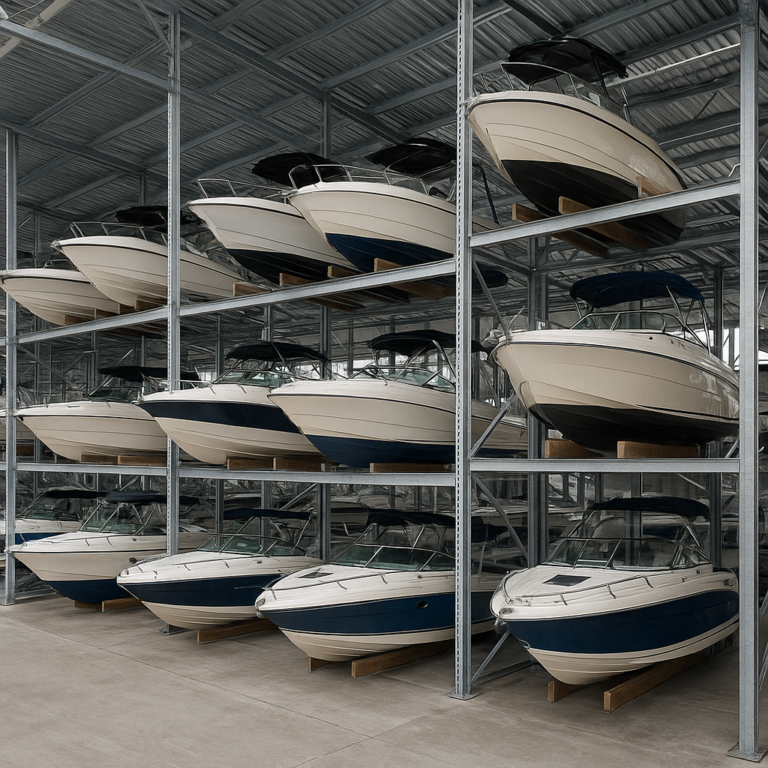
- 🚤 Top 10 Most Popular Boat Types by Registration Numbers
- 👥 Who’s on the Water? Demographics of Modern Boaters
- 📈 Economic Impact: How Boat Sales and Ownership Drive the Economy
- ⚠️ Navigating the Risks: Boating Accident Statistics and Safety Data
- 🛟 Top 7 Causes of Boating Accidents and Fatalities
- 🌊 Seasonal Shifts: When Do Most Boating Incidents Occur?
- 🧭 Regional Breakdown: State-by-State Boating Participation Rates
- 🔍 Understanding the Data Sources: USCG, NOAA, and Industry Reports
- 💡 Quick Tips and Facts
- 🔗 Recommended Links
- ❓ Frequently Asked Questions (FAQ)
- 📚 Reference Links
⚡️ Quick Tips and Facts
Before we dive into the deep end of the data ocean, let’s grab a life jacket and hit the high notes. If you’re looking for the boat statistics that actually matter to your time on the water, here’s the scoop from our crew at Boat Brands™:
- The “One in Three” Rule: Did you know that roughly one-third of all boating fatalities are caused by drowning? And shockingly, 80% of those victims weren’t wearing a life jacket. It’s the oldest rule in the book, but the stats scream it louder than a foghorn: wear your PFD.
- The Alcohol Factor: Alcohol is the leading known contributing factor in fatal boating accidents. It’s not just about being “tipsy”; it affects balance, vision, and reaction time just as much on the water as it does on land.
- The Silent Killer: Carbon monoxide poisoning is a real threat, especially on boats with enclosed cabins or stern-drive engines. It’s odorless and invisible, but the stats show it claims lives every year.
- Seasonal Spikes: The majority of accidents happen in May, June, and July. Why? Because that’s when the water is warmest, the crowds are thickest, and everyone is rushing to get out there.
- The Power of Data: We can’t stress this enough—relying on “gut feeling” is dangerous. As we explored in our deep dive into 🚤 Boat Statistics 2021: 9 Surprising Trends You Need to Know, the numbers tell a story that often contradicts our assumptions.
Why do so many experienced boaters ignore the data? We’ll uncover the psychology behind this later, but for now, remember: knowledge is your best navigation tool.
📜 A Deep Dive into Boating History: How We Got Here

You can’t understand where we are going without knowing where we’ve been. The history of boating isn’t just about wooden hulls and sailcloth; it’s a saga of human ingenuity, tragedy, and the relentless pursuit of safety.
From Reed Boats to Recreational Giants
Long before the US Coast Guard started compiling data, humans were figuring out how to stay afloat. The earliest evidence of boat building dates back over 8,000 years to the Neolithic period. But it wasn’t until the 19th and 20th centuries that boating transformed from a necessity into a recreational lifestyle.
- The Steam Era: The introduction of steam power in the 1800s democratized travel, but accidents were frequent due to boiler explosions and lack of navigation rules.
- The Internal Combustion Revolution: The 20th century brought the outboard motor. Suddenly, anyone could own a boat. This explosion in ownership led to the first major push for boating safety regulations.
- The Data Age: It wasn’t until the Federal Boat Safety Act of 1971 that the U.S. government mandated the collection of consistent boating accident statistics. This was a turning point. Before this, data was scattered, inconsistent, and often ignored.
The Evolution of Safety Standards
As we moved into the 1980s and 90s, the National Marine Manufacturers Association (NMMA) and the USCG began working hand-in-hand to standardize safety equipment. The introduction of the VHF radio, flotation standards, and engine cut-off switches (ECOS) drastically changed the landscape.
Here’s a question for you: If safety has improved so much over the last 50 years, why do accident rates still spike every summer? The answer lies in human behavior, not just boat design. We’ll get to that in the “Navigating the Risks” section.
For more on how the industry has evolved, check out our coverage on Boat Industry News.
📊 The Big Picture: Essential Boat Statistics and Industry Trends
Let’s talk numbers. The boating industry is a massive economic engine, but the statistics reveal a complex picture of growth, stagnation, and shifting demographics.
The State of the Fleet
According to the latest data from the USCG and NMMA, the United States is home to over 12 million registered recreational vessels. That’s a lot of boats! But the composition of that fleet is changing.
| Metric | Statistic | Insight |
|---|---|---|
| Total Registered Vessels | ~12.6 Million | Steady growth, but slowing post-pandemic boom. |
| Powerboats | ~75% | The dominant force in the recreational market. |
| Sailboats | ~15% | A niche but passionate segment. |
| Personal Watercraft (PWC) | ~10% | High accident rate per vessel, but popular. |
| Average Boat Age | ~20+ Years | The fleet is aging; fewer new boats are being sold relative to the total. |
Source: U.S. Coast Guard Recreational Boating Statistics
The Post-Pandemic Shift
The pandemic created a “boating boom” that saw sales skyrocket. But as we settle into a new normal, the data shows a correction.
- Inventory Challenges: While demand remains high, supply chain issues have slowed new boat production.
- Used Market Surge: With new boats hard to find, the used boat market has seen a surge in activity. This is great for budget-conscious boaters but raises questions about the safety of older vessels.
- Demographic Shift: Are we seeing a younger generation of boaters? The data suggests a slight shift, but the core demographic remains 45-65 years old.
Why does the average boat age matter? An older boat might lack modern safety features like AIS (Automatic Identification System) or collision avoidance radar. This is a critical factor when analyzing boating accident statistics.
For a deeper look at the brands driving these trends, visit our Boat Brands category.
🚤 Top 10 Most Popular Boat Types by Registration Numbers
Not all boats are created equal, and the statistics reflect that. Here are the top 10 most popular boat types based on registration numbers. We’ve ranked them by sheer volume, but we’ll also touch on their safety profiles.
- Open Bow / Bowrider
- The Crowd Pleaser: These are the kings of the lake. Perfect for swimming, sunbathing, and towing tubes.
- Safety Note: High visibility, but prone to capsize if overloaded or operated recklessly.
- Deck Boats
- The Party Bus: Wider beam, more seating. Great for groups.
- Safety Note: Generally stable, but their size can make them tricky in rough water for inexperienced operators.
- Cabin Cruisers
- The Weekend Warrior: Equipped with sleeping quarters and galley.
- Safety Note: Often equipped with more safety gear, but the complexity of systems can lead to mechanical failures.
- Fishing Boats (Center Console)
- The Angler’s Choice: Open deck, focused on fishing.
- Safety Note: High exposure to elements; drowning is a significant risk if someone falls overboard.
- Pontoon Boats
- The Stable Giant: Two or three pontoons provide incredible stability.
- Safety Note: Very stable, but can be slow to maneuver in emergencies.
- Runabouts
- The Classic: Similar to bowriders but often smaller.
- Safety Note: High accident rate due to their popularity among new boaters.
- Personal Watercraft (PWC)
- The Jet Ski: High speed, high fun, high risk.
- Safety Note: Disproportionately high in accident statistics. Collisions and falls are common.
- Sailboats (Cruising)
- The Traditionalist: Wind-powered, often with cabins.
- Safety Note: Lower accident rates per vessel, but incidents can be severe due to isolation.
- Trawlers
- The Slow Cruiser: Fuel-efficient, long-range.
- Safety Note: Generally safe, but mechanical issues can leave them adrift.
- Kayaks & Canoes
- The Quiet Explorer: Human-powered.
- Safety Note: High risk of capsizing and drowning due to lack of flotation and visibility.
Which boat type is the safest? It’s not just about the hull; it’s about the operator. We’ll break down the Top 7 Causes of Boating Accidents next to see how these boat types stack up against the risks.
👥 Who’s on the Water? Demographics of Modern Boaters
Who is actually steering these vessels? The demographics of boating are as diverse as the waterways themselves, but there are some clear patterns.
Age and Experience
- The Core Demographic: The majority of boat owners fall between 45 and 65 years old. This group has the disposable income and the time to enjoy the lifestyle.
- The New Generation: There is a growing interest from the 30-45 age group, driven by the “experience economy” and social media.
- Experience Levels: A significant portion of accidents involves inexperienced operators. The USCG data shows that many fatal accidents involve operators with less than 100 hours of experience.
Gender and Boating
- Male Dominance: Historically, boating has been male-dominated. However, the gap is closing. More women are taking the helm, and female-led boating groups are on the rise.
- Safety Perception: Studies suggest that women often prioritize safety gear more than men, which could explain some of the gender disparities in accident severity.
Geographic Distribution
- The Sun Belt: States like Florida, California, Texas, and Michigan lead in boat registrations.
- Inland vs. Coastal: Inland boating (lakes and rivers) accounts for the majority of recreational activity, while coastal boating involves more complex navigation and weather challenges.
Why does this matter? Understanding who is on the water helps us understand why accidents happen. A 20-year-old jet ski rider has different risks than a 60-year-old trawler captain.
For more insights on the lifestyle, check out our Boat Lifestyle section.
📈 Economic Impact: How Boat Sales and Ownership Drive the Economy
Boating isn’t just a hobby; it’s a multibillion-dollar industry. The ripple effects of boat ownership touch everything from manufacturing to tourism.
The Numbers Game
- Total Economic Impact: The recreational boating industry contributes over $60 billion to the U.S. economy annually.
- Jobs: It supports more than 1 million jobs, ranging from boat builders to marina operators.
- Tax Revenue: Boat sales, fuel taxes, and registration fees generate significant revenue for state and federal governments.
The Supply Chain
- Manufacturing: From fiberglass to engines, the supply chain is vast. Brands like Mercury Marine, Yamaha, and Brunswick are giants in this space.
- Marinas and Services: The infrastructure supporting boaters—marinas, repair shops, and fuel docks—is a critical part of the local economy.
The Used Market
- Value Retention: Some brands, like Boston Whaler and Grady-White, hold their value remarkably well.
- Market Volatility: Economic downturns can hit the new boat market hard, but the used market often remains resilient.
Is the industry sustainable? With rising fuel costs and environmental concerns, the industry is facing new challenges. We’ll explore how green boating is shaping the future in a later section.
For the latest on market trends, visit our Boat Manufacturers category.
⚠️ Navigating the Risks: Boating Accident Statistics and Safety Data
Now, let’s address the elephant in the room: safety. The USCG compiles annual reports on recreational boating accidents, and the data is sobering.
The 2023 Snapshot
According to the 2023 Recreational Boating Statistics (released in 2024):
- Total Accidents: There were 4,168 reported accidents.
- Fatalities: These accidents resulted in 636 deaths.
- Injuries: 2,600 people were injured.
- Missing Persons: 100 people went missing and were presumed dead.
The Fatality Rate
- Deaths per 1,000 Registered Vessels: The fatality rate has remained relatively stable, hovering around 5.0 deaths per 1,000 vessels.
- Comparison: This is significantly higher than the fatality rate for motor vehicle accidents, highlighting the unique dangers of the marine environment.
Data Sources and Reliability
It’s important to understand where this data comes from. The USCG relies on reports filed by state agencies.
- Underreporting: Minor accidents (no injury, no significant damage) are often underreported.
- Revisions: The USCG frequently revises data as more reports come in. For example, the 2019-2023 data was revised in February 2025.
Why do some states have higher accident rates? Is it the water, the boats, or the people? We’ll dive into the Top 7 Causes next to find the answer.
For a comprehensive look at safety, check out the USCG Boating Safety website.
🛟 Top 7 Causes of Boating Accidents and Fatalities
What’s really happening out there? The USCG breaks down the primary causes of accidents. Understanding these can save your life.
- Collision with a Fixed Object
- The Scenario: Hitting a rock, dock, or submerged log.
- The Cause: Often due to operator inattention or improper lookout.
- Prevention: Slow down in congested areas and know your waterways.
- Collision with Another Vessel
- The Scenario: Two boats crashing into each other.
- The Cause: Failure to follow navigation rules (Right of Way).
- Prevention: Always assume the other boat won’t see you.
- Capsizing
- The Scenario: The boat flips over.
- The Cause: Overloading, improper weight distribution, or sudden weather changes.
- Prevention: Know your boat’s capacity and distribute weight evenly.
- Falling Overboard
- The Scenario: A person falls into the water.
- The Cause: Sudden movement, rough water, or lack of railings.
- Prevention: Wear a life jacket and use a kill switch.
- Sinking
- The Scenario: The boat fills with water and goes under.
- The Cause: Hull damage, pump failure, or leaving the boat unattended.
- Prevention: Regular maintenance and checking bilge pumps.
- Grounding
- The Scenario: Running aground on a shallow area.
- The Cause: Ignoring depth sounders or charts.
- Prevention: Always use a chartplotter and keep an eye on the depth.
- Alcohol Impairment
- The Scenario: Operating a boat while intoxicated.
- The Cause: Alcohol consumption.
- Prevention: Designate a sober captain. Alcohol is the leading contributing factor in fatal accidents.
Why is alcohol so dangerous on the water? It’s not just the “buzz.” The sun, wind, and vibration of the boat amplify the effects of alcohol, leading to decreased balance, vision, and reaction time.
For more on safety gear, check out our Boat Buying Guide.
🌊 Seasonal Shifts: When Do Most Boating Incidents Occur?
Time is a factor in boating safety. The data shows a clear pattern: summer is the danger zone.
The Summer Spike
- May, June, July: These three months account for nearly 50% of all boating accidents.
- Why? More boats on the water, more inexperienced operators, and higher temperatures leading to alcohol consumption.
The Weekend Effect
- Saturdays and Sundays: Accident rates are significantly higher on weekends.
- Why? More leisure time, more parties, and more alcohol.
The Time of Day
- Afternoon: Most accidents occur between 12:00 PM and 6:00 PM.
- Why? Peak sun exposure, peak traffic, and peak alcohol consumption.
Can you predict a safe day? Not entirely, but knowing the patterns helps you prepare. Avoid peak hours if you’re a new boater, and always check the weather forecast.
🧭 Regional Breakdown: State-by-State Boating Participation Rates
Where are the boats? The distribution of boating activity varies wildly across the U.S.
Top States by Registration
- Florida: The undisputed king of boating, with over 1 million registered vessels.
- California: A close second, with a mix of coastal and inland boating.
- Texas: Rapidly growing, with a strong lake culture.
- Michigan: The “Great Lakes State” has a massive freshwater fleet.
- New York: Strong in both coastal and inland (Finger Lakes) boating.
Regional Risk Factors
- Florida: High traffic, hurricane risks, and a mix of experienced and novice boaters.
- California: Strong currents, fog, and heavy commercial traffic.
- Midwest: Shallow lakes, sudden weather changes, and high recreational traffic.
Does where you live affect your safety? Absolutely. Different regions have different risks, and understanding your local environment is key to staying safe.
For more on regional boating, visit our Boat Industry News.
🔍 Understanding the Data Sources: USCG, NOAA, and Industry Reports
Where does all this data come from? It’s not magic; it’s a combination of government agencies, industry groups, and independent researchers.
The US Coast Guard (USCG)
- Role: The primary source for boating accident statistics.
- Methodology: Collects data from state agencies and compiles annual reports.
- Limitations: Relies on voluntary reporting; minor accidents may be missed.
The National Marine Manufacturers Association (NMMA)
- Role: Represents the boating industry.
- Data: Provides data on boat sales, production, and economic impact.
- Limitations: Focuses on industry health rather than safety.
The National Oceanic and Atmospheric Administration (NOAA)
- Role: Provides weather data and oceanographic information.
- Relevance: Crucial for understanding the environmental factors in accidents.
Independent Researchers
- Role: Organizations like SailboatData.com provide detailed technical data on specific boat models.
- Example: As discussed in the “First Video” summary, analyzing Sail Area-to-Displacement (SA/D) ratios and Capsize Screening Ratios (CSR) can help predict a boat’s safety and performance.
- Quote: “The BABA 40 and the Hallberg-Rassy 40, they are awesome boats.”
- Insight: Understanding these metrics helps buyers choose a boat that matches their sailing style.
Which source should you trust? For safety stats, trust the USCG. For market trends, trust the NMMA. For technical boat data, look to independent researchers and manufacturer specs.
💡 Quick Tips and Facts
Wait, we said we’d do this at the start, but let’s reinforce it with a final burst of wisdom before we wrap up the main body.
- The “30-Minute Rule”: If you’re going to be on the water for more than 30 minutes, file a float plan with someone on shore.
- The “One Life Jacket” Myth: You need one life jacket for every person on board, and they must be U.S. Coast Guard approved.
- The “Kill Switch” Lifeline: Always attach the engine cut-off switch lanyard to your wrist or life jacket. It’s the single most effective way to prevent runaway boat accidents.
- The “Weather Check”: Check the forecast before you leave and every hour while on the water.
- The “Sober Captain”: Designate a sober captain before you even leave the dock.
Ready to hit the water? With these stats and tips in your back pocket, you’re better prepared than most. But remember, the water is always changing, and the best boater is the one who never stops learning.
Stay tuned for our Conclusion, where we’ll tie all these threads together and give you the final verdict on how to navigate the world of boat statistics with confidence.
Conclusion

We’ve navigated through the numbers, dissected the history, and analyzed the risks. So, what’s the final verdict on boat statistics?
The data tells a clear story: boating is safe when you respect the water, but dangerous when you ignore the rules. We started this journey asking why accident rates spike every summer despite decades of safety improvements. The answer lies in human behavior, not just boat design. The leading cause of fatalities remains drowning, and the leading contributing factor in fatal accidents is alcohol. The technology has improved—our boats are faster, more stable, and better equipped—but the operator remains the most critical variable.
The Boat Brands™ Recommendation
Whether you are buying your first bowrider or upgrading to a cabin cruiser, the data suggests a clear path forward:
- Prioritize Safety Gear: Never compromise on USCG-approved life jackets. Ensure every passenger has one, and wear it.
- Get Trained: Don’t rely on “gut feeling.” Take a boating safety course. The stats show that educated operators have significantly fewer accidents.
- Know Your Limits: Understand the capacity plate of your vessel. Overloading is a recipe for capsizing.
- Sober Up: The alcohol factor is non-negotiable. Designate a sober captain.
- Check the Weather: The seasonal shifts in accident data are largely driven by sudden weather changes. Always check the forecast.
The Bottom Line: The ocean (and the lakes) are beautiful, but they are unforgiving. Use these boat statistics not to scare you away, but to empower you. With the right preparation, the right gear, and the right mindset, you can enjoy the water safely for years to come.
🔗 Recommended Links
Ready to gear up or find the perfect vessel? Here are our top picks based on safety, reliability, and value.
Essential Safety Gear
- Life Jackets (PFDs):
- Mustang Survival: Search on Amazon | Mustang Survival Official
- Onyx: Search on Amazon | Onyx Marine
- Engine Cut-Off Switches (Kill Switches):
- Yamaha Marine: Search on Amazon | Yamaha Marine Official
- Mercury Marine: Search on Amazon | Mercury Marine Official
- VHF Radios:
- Standard Horizon: Search on Amazon | Standard Horizon Official
- Garmin: Search on Amazon | Garmin Marine
Top Boat Brands & Models
- Pontoon Boats (Stability & Fun):
- SunChaser: Search on Amazon | SunChaser Official
- Bennington: Search on Amazon | Bennington Marine
- Center Console Fishing Boats:
- Boston Whaler: Search on Amazon | Boston Whaler Official
- Grady-White: Search on Amazon | Grady-White Official
- Personal Watercraft (PWC):
- Sea-Doo: Search on Amazon | Sea-Doo Official
- Yamaha WaveRunner: Search on Amazon | Yamaha WaveRunner Official
Educational Resources
- Boating Safety Books:
- Chapman Piloting & Seamanship: Search on Amazon
- The Complete Sailing Manual: Search on Amazon
❓ Frequently Asked Questions (FAQ)

How do weather conditions affect boating accident rates?
Weather is a massive factor. Sudden storms, high winds, and reduced visibility significantly increase the risk of capsizing, collisions, and grounding. The USCG data shows that a large percentage of accidents occur when boaters ignore weather forecasts or underestimate the power of nature. Always check the NOAA marine forecast before heading out.
Read more about “How do weather conditions affect boating accident rates?”
What percentage of boats are used for recreational purposes?
The vast majority—over 90%—of registered vessels in the U.S. are used for recreational purposes. This includes everything from small fishing boats to large yachts. Commercial fishing and transport make up a much smaller fraction of the total fleet.
Read more about “What percentage of boats are used for recreational purposes?”
How has boat sales growth changed over the past decade?
The last decade saw a massive surge, particularly during the pandemic (2020-2022), where sales hit record highs due to social distancing and a desire for outdoor activities. However, the market has since corrected, with sales stabilizing but remaining higher than pre-pandemic levels. Supply chain issues and rising interest rates have slowed the pace of new sales, shifting focus to the used boat market.
Read more about “How has boat sales growth changed over the past decade?”
What are the safety statistics for boating accidents?
In 2023, there were 4,168 reported accidents, resulting in 636 fatalities and 2,600 injuries. The fatality rate is approximately 5.0 deaths per 1,000 registered vessels. While this is lower than in previous decades, it remains a significant risk compared to other recreational activities.
Read more about “🚤 Boat Statistics 2021: 9 Surprising Trends You Need to Know”
How much does the average boat cost?
The cost varies wildly. A small used runabout might cost a few thousand dollars, while a new cabin cruiser can easily exceed $100,000. Pontoon boats typically range from $30,000 to $80,000, and fishing boats can range from $20,000 to over $200,000 depending on size and equipment.
Read more about “Top 15 Popular Speedboat Brands You Need to Know in 2024 🚤”
What is the average age of boat owners?
The core demographic of boat owners is between 45 and 65 years old. However, there is a growing segment of younger owners (30-45) entering the market, driven by the “experience economy” and social media influence.
Read more about “What is the average age of boat owners?”
How many people go boating each year worldwide?
Globally, millions of people participate in boating annually. In the U.S. alone, over 80 million people go boating each year. The global market is even larger, with significant participation in Europe, Australia, and Asia.
Read more about “What Are the 12 Most Popular Boat Brands for Beginners? 🚤 (2026)”
What are the most popular types of boats?
Open Bow/Bowriders are the most popular, followed by Deck Boats, Cabin Cruisers, Fishing Boats, and Pontoon Boats. Personal Watercraft (PWC) also hold a significant share of the market.
Read more about “What Companies Make Fishing Boats? Top 15 Brands to Know in 2026 🎣”
How does boat size affect accident rates?
Smaller boats (under 20 feet) are involved in a higher number of accidents, often due to capsizing or falling overboard. However, larger boats can face more severe consequences in accidents due to higher speeds and complex systems. PWCs have a disproportionately high accident rate per vessel.
Read more about “How does boat size affect accident rates?”
What are the most popular boating activities?
Swimming, sunbathing, fishing, water skiing, and towing tubes are the top activities. Cruising and overnight stays are also popular among cabin cruiser owners.
Read more about “What are the most popular boating activities?”
What percentage of boaters wear life jackets?
Shockingly, only about 10-15% of boaters wear life jackets while on the water, despite 80% of drowning victims not wearing one. This is a critical gap in safety behavior.
Read more about “What percentage of boaters wear life jackets?”
What are the demographics of boat owners?
Boat owners are predominantly male (though the gap is closing), aged 45-65, with a household income above the national average. They are often homeowners and have a strong connection to the water.
Read more about “What are the demographics of boat owners?”
What is the economic impact of the boating industry?
The recreational boating industry contributes over $60 billion to the U.S. economy annually and supports more than 1 million jobs. This includes manufacturing, marinas, fuel sales, and tourism.
Read more about “What is the economic impact of the boating industry?”
How many boats are registered in the US?
There are approximately 12.6 million registered recreational vessels in the United States.
Read more about “Powerboat Statistics 2026: 15 Must-Know Trends & Insights 🚤”
What is the average cost of boat ownership?
Beyond the purchase price, the average annual cost of ownership (fuel, maintenance, storage, insurance, registration) can range from 10% to 20% of the boat’s purchase price. For a $50,000 boat, expect to spend $5,000 to $10,000 annually.
Read more about “What is the average cost of boat ownership?”
What are the most common types of boating accidents?
The most common types are collisions with fixed objects, collisions with other vessels, capsizing, falling overboard, and grounding.
Read more about “What are the most common types of boating accidents?”
What is a fact about boats?
A fascinating fact is that alcohol is the leading known contributing factor in fatal boating accidents, affecting balance, vision, and reaction time more severely on the water than on land due to the “three Ds”: Drinking, Driving, and Drowning.
Read more about “What Are the Differences Between European and American Boat Brands? 🌊 (2026)”
Is boating on the decline?
No, boating is not on the decline. While the post-pandemic boom has stabilized, participation remains high. The industry is seeing a shift towards used boats and rentals as new boat prices rise.
Read more about “Is boating on the decline?”
What is the leading cause of boating fatalities?
Drowning is the leading cause of boating fatalities. Most of these deaths could be prevented by wearing a life jacket.
Read more about “What is the leading cause of boating fatalities?”
What percent of Americans own a boat?
Approximately 10-12% of American households own a boat.
Read more about “🚤 Boat Registration Statistics Uncovered: Top Trends & Insights (2026)”
What are most deaths in boating caused by?
Most deaths are caused by drowning, often following a capsizing or falling overboard incident where the victim was not wearing a life jacket.
Read more about “What are most deaths in boating caused by?”
What is the number 1 cause of boating accidents?
The number 1 cause of boating accidents is operator inattention or improper lookout, often compounded by alcohol use and inexperience.
Additional Insights
- Why do accidents happen more on weekends? Higher traffic, more alcohol consumption, and increased numbers of inexperienced boaters contribute to the weekend spike.
- How does the “kill switch” save lives? It instantly shuts off the engine if the operator falls overboard, preventing the boat from circling back and hitting them.
- What is the “30-minute rule”? It’s a recommendation to file a float plan with someone on shore if you’ll be gone for more than 30 minutes.
Read more about “What is the number 1 cause of boating accidents?”
📚 Reference Links
For those who want to dive deeper into the data, here are the authoritative sources we used:
- U.S. Coast Guard Recreational Boating Statistics: Official Data & Reports – The primary source for annual accident, fatality, and injury data.
- National Marine Manufacturers Association (NMMA): Industry Statistics – For data on boat sales, production, and economic impact.
- Florida Fish and Wildlife Conservation Commission (FWC): Boating Accident Statistical Reports – Detailed state-level data and historical reports.
- National Oceanic and Atmospheric Administration (NOAA): Marine Weather & Data – Essential for understanding weather-related risks.
- Boat Brands™ Categories:
- Boat Industry News
- Boat Brands
- Boat Manufacturers
- Boat Buying Guide
- Boat Lifestyle
- Brand Official Sites:
- Mercury Marine
- Yamaha Marine
- Boston Whaler
- Grady-White
- Sea-Doo